
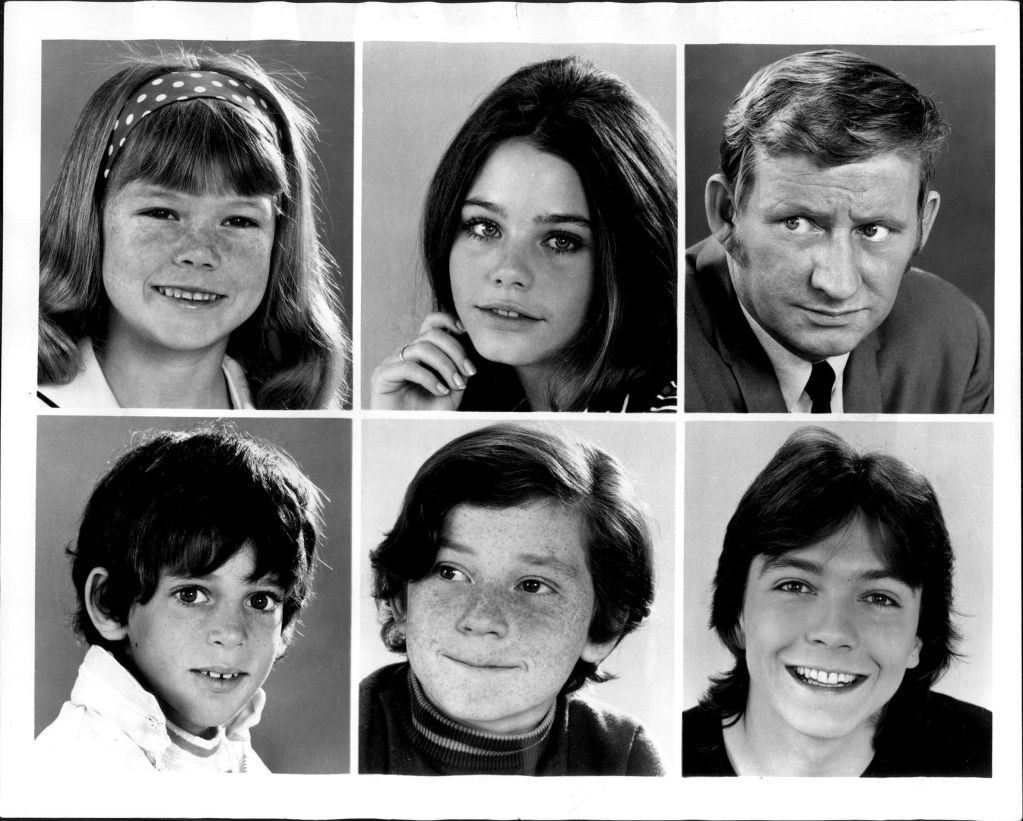
Behind the bright pop polish of “Alone Too Long” is a quieter truth: The Partridge Family could sound cheerful on the surface and deeply yearning underneath.
Alone Too Long is one of those overlooked The Partridge Family recordings that reminds us how much feeling lived beneath the group’s radio-friendly shine. When people speak about the band’s chart history, they usually begin with giants such as I Think I Love You, which reached No. 1 on the Billboard Hot 100, then move to beloved follow-ups like Doesn’t Somebody Want to Be Wanted and I’ll Meet You Halfway. Alone Too Long, by contrast, is not generally remembered as one of the act’s major standalone Hot 100 hits. Its place in the catalog has always been more intimate than headline-making, and that is part of what makes it so rewarding to revisit.
That quieter reputation should not be mistaken for insignificance. If anything, songs like Alone Too Long help explain why The Partridge Family endures beyond nostalgia alone. The group emerged from the hit ABC television series that ran from 1970 to 1974, but the records were crafted with real pop discipline. Producer Wes Farrell oversaw a sound that was clean, melodic, and instantly accessible, while David Cassidy supplied the voice that gave many of these songs their emotional center. In a setting often remembered for bright smiles, patterned buses, and easy hooks, a song like this revealed a softer and more reflective interior world.
What gives Alone Too Long its lasting pull is the feeling tucked inside the title itself. This is not a song built on grand speeches or theatrical gestures. It speaks more quietly, from the emotional space where loneliness becomes routine and waiting begins to shape a person’s inner life. That is why it lands with such surprising maturity. Beneath the polished arrangement is the ache of someone who has spent too much time without closeness, too much time carrying thoughts that have nowhere to go. The lyric’s emotional idea is simple, but simplicity is often where the deepest pop music lives.
And that is the real beauty of The Partridge Family at their best. They could take a feeling that almost everyone understands and wrap it in a melody that sounded easy, natural, and inviting. Alone Too Long does not push its sadness forward in heavy strokes. Instead, it lets longing drift through the song like a memory returning at dusk. The arrangement, typical of the group’s finest studio work, balances a gentle pop pulse with layered harmonies and a vocal line that never overreaches. The result is tender rather than flashy. It draws listeners in by understatement.
David Cassidy deserves special attention here. His fame in the early 1970s was enormous, and that fame can sometimes distract from how well he understood restraint as a singer. On songs built for excitement, he could bring lift and urgency. On a recording like Alone Too Long, what matters more is how he shades the line, how he lets vulnerability sit in the phrasing without turning sentimental. That ability gave many Partridge Family songs a dimension that casual listeners did not always expect. There was teen-pop sparkle, certainly, but there was also a credible emotional intelligence in the delivery.
The song also helps correct an old misunderstanding about the group. For years, The Partridge Family was too easily filed away as lightweight television pop. But when you spend time with the deeper catalog, that label begins to feel incomplete. Yes, the records were designed to be catchy. Yes, the show helped sell them. But well-made pop has always had room for subtle feeling, and Alone Too Long is a fine example of that craft. It suggests that loneliness can exist even in bright surroundings, that a polished surface does not cancel sincere emotion. In fact, the contrast between the two is often what makes the song memorable.
There is also something especially moving about hearing this kind of emotional nuance from a group so closely associated with youthful energy. The famous hits captured excitement, infatuation, and momentum. Alone Too Long feels more reflective, almost like the moment after the crowd has gone quiet and a person is left alone with whatever the heart has been trying to ignore. That gives the song a different kind of durability. It may not have dominated the charts in the way the biggest singles did, but it has the private staying power that many charting songs never achieve.
In the end, Alone Too Long matters because it reveals the emotional range inside The Partridge Family story. It shows that behind the television glow and the immaculate pop packaging, there was room for wistfulness, patience, and genuine yearning. For listeners who return to this music not only for its melodies but for its feeling, that matters a great deal. Some songs win history through chart positions. Others survive because they understand the heart a little better. Alone Too Long belongs to the second group, and that is exactly why it still feels worth hearing.