
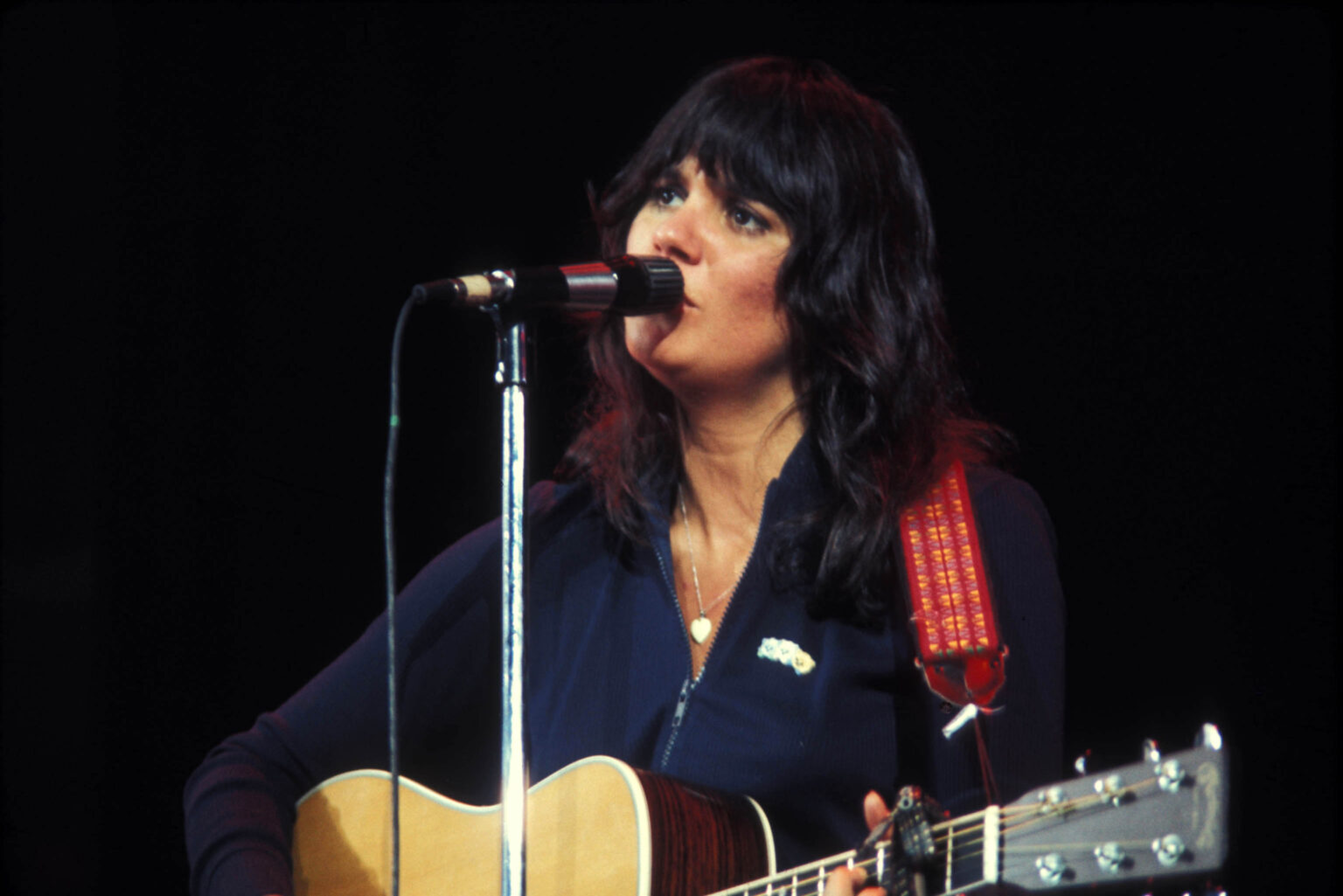
“Get Closer” is a late-night invitation—part heart-to-heart, part dance-floor dare—capturing Linda Ronstadt at a turning point, reaching for intimacy in sound and in spirit.
When Linda Ronstadt released “Get Closer” in 1982, it arrived with the kind of confident pulse that doesn’t ask permission. The single climbed to a Billboard Hot 100 peak of No. 29 (holding that peak during the chart weeks of November 13 and November 20, 1982)—a solid Top 40 showing in an era when radio was crowded with new gloss, new synths, and new attitudes. And it wasn’t just the single: the parent album, Get Closer, reached No. 31 on the Billboard 200—not her biggest chart triumph, but unmistakably a major statement in the arc of her career.
The story behind Get Closer makes the title track feel even more poignant. In the early 1980s, Ronstadt was coming off a period of artistic restlessness—bending away from the country-rock lanes that had carried her through the ’70s, stepping onto Broadway in The Pirates of Penzance, and even flirting seriously with a standards project that she ultimately shelved when it didn’t feel right. Out of that swirl, Get Closer was recorded with producer Peter Asher, as Ronstadt leaned back toward the genres and songcraft that had always suited her like a well-worn coat—familiar, yes, but newly lit from within.
“Get Closer” (the song) is especially fascinating because it doesn’t move like an ordinary pop-rock single. It was written by Jon Carroll, and it carries an off-kilter rhythmic character—famously described as an unusual meter—that gives the groove a slightly “tilted” feeling, like dancing when the room is spinning just a little. Ronstadt doesn’t fight that instability; she inhabits it. Her voice—bright, muscular, and emotionally direct—turns the lyric into a candid plea: come nearer, not for show, not for conquest, but for that brief human miracle of being understood without having to explain yourself.
And then there’s the wonderfully odd footnote of pop culture: the song was later used to promote Close-Up toothpaste, an almost surreal reminder of how the 1980s could package genuine heat and personality into commercial sparkle. Yet even that doesn’t cheapen the track. If anything, it proves how immediate the hook is—how effortlessly Ronstadt could make a performance feel both radio-ready and emotionally lived-in.
If you listen closely, “Get Closer” also sounds like a bridge between worlds. Behind it stands the earlier Ronstadt—queen of reinterpretation, the voice that could make other people’s songs feel like private letters. Ahead of it is the Ronstadt who would soon pivot into lush elegance on What’s New. Even the Grammy win for Best Album Package for Get Closer—credited to designers Kosh and Ron Larson—fits the theme: presentation mattered, atmosphere mattered, the whole frame mattered.
So what does “Get Closer” mean now, after the decades have done what they do—softening some memories, sharpening others? It feels like a reminder that intimacy is an act of courage. The world loves distance: distance is safe, distance is tidy. But this song insists on nearness—messy, risky, human nearness—set to a rhythm that won’t quite sit still, the way feelings never do. And in Linda Ronstadt’s hands, that invitation doesn’t age. It simply waits, like a familiar light left on in the window, asking if you’re ready to come in.