
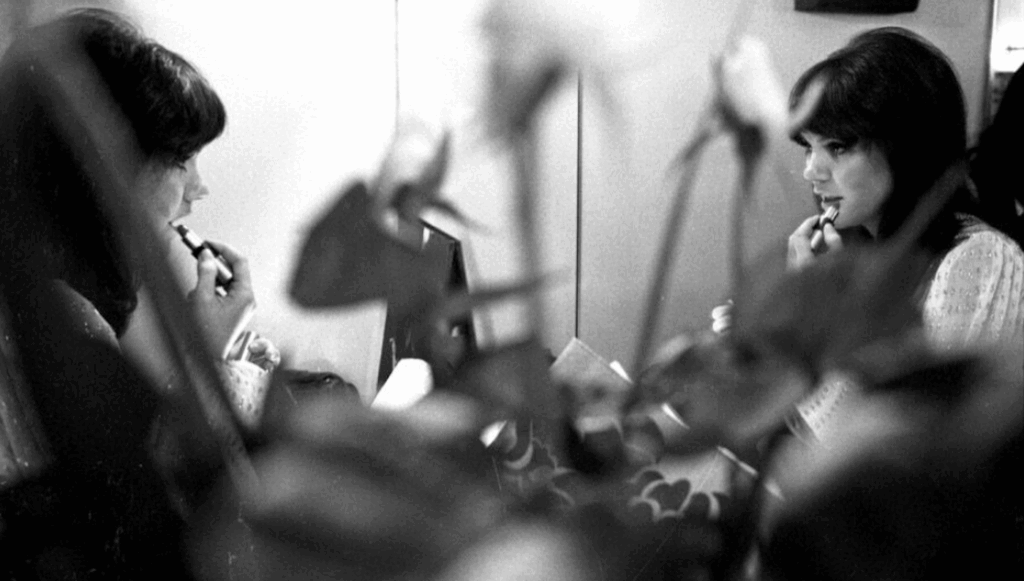
Prisoner in Disguise is the sound of freedom wearing a careful mask—songs about love and longing sung with such grace that the ache feels almost elegant.
Released on September 15, 1975, Linda Ronstadt’s Prisoner in Disguise arrived with the quiet confidence of an artist who already knew what she could do—and was now choosing how to do it. It climbed to No. 4 on the Billboard 200 (with a peak chart date of December 13, 1975) and reached No. 2 on Billboard’s country albums chart, ultimately earning RIAA Platinum status. Those are the headline facts, and they deserve to sit up front: this record wasn’t merely a follow-up—it was confirmation, a steady second stride after the breakthrough of Heart Like a Wheel.
But the real story of Prisoner in Disguise lives in its choices. Ronstadt recorded it between February and June 1975 at The Sound Factory in Los Angeles, with Peter Asher producing—an alliance that gave her voice a frame both polished and warm, like varnished wood that still carries the grain. The album is built from a “Cool American Songbook,” as Rhino later put it—songs by writers and bands who defined a certain West Coast emotional realism: James Taylor, Lowell George, J.D. Souther, and more, all funneled through Ronstadt’s rare interpretive clarity.
It’s worth pausing on that word: interpretive. Ronstadt was not selling autobiography here; she was doing something harder. She was inhabiting other people’s truths so completely that they begin to feel like your own memories. Even the original vinyl packaging leaned into intimacy: a gatefold design featuring lyric sheets, many presented in the songwriters’ own handwriting—an almost tactile reminder that these songs came from real desks, real nights, real second thoughts.
Commercially, the album’s best-known single story is a wonderful little twist of radio fate: “Heat Wave” / “Love Is a Rose” rose to No. 5 on the Billboard Hot 100 as pop radio favored the Motown fire of “Heat Wave,” while “Love Is a Rose” simultaneously hit No. 5 on Billboard’s Hot Country Songs—two instincts pulling in different directions, and Ronstadt somehow satisfying both without sounding split in half. Then came “Tracks of My Tears,” a performance that feels like a tear-stained postcard from another era: it peaked at No. 25 on the Hot 100 and No. 4 on Adult Contemporary, while pairing on the country chart with its B-side duet “The Sweetest Gift,” reaching No. 11 country.
Yet Prisoner in Disguise is not remembered as a stack of chart facts. It’s remembered as a mood—an album that understands how love can be both shelter and sentence. The title track, “Prisoner in Disguise” (written by J.D. Souther), is the thesis: a person dressed up as “fine” while privately caught in the loops of desire, pride, and dependence. Ronstadt sings it without melodrama—no accusatory finger, no self-pity—just the weary wisdom of someone admitting that the hardest cages aren’t made of bars. They’re made of habits.
Around that center, the album moves like a well-edited film. “Roll Um Easy” (a Lowell George song) becomes, in Rhino’s vivid description, a Little Feat slow-burn dressed in Laurel Canyon light—harmonies, subtle strings, and that sense of California polish laid gently over something bluesy and tired. “Many Rivers to Cross” brings in the ache of Jimmy Cliff’s original—survival measured in distances you can’t explain to anyone who hasn’t walked them. And then there is “I Will Always Love You,” Dolly Parton’s farewell song, which Ronstadt approaches with a restraint that makes it feel less like a performance and more like the moment after a door closes—when you finally exhale and realize what you’ve lost.
What ties all of this together is Ronstadt’s particular emotional discipline. Even when the arrangements brighten—banjo threading through “Love Is a Rose,” the radio-ready punch of “Heat Wave”—there’s a consistent human temperature: warm, a little bruised, never false. Prisoner in Disguise doesn’t beg you to be impressed. It invites you to remember: the way certain songs used to sit beside you in the room, turning ordinary evenings into something quietly significant.
In the end, the album’s title feels almost like a gentle warning and a comfort at once. We all learn, sooner or later, that we can look perfectly composed while carrying a private storm. Linda Ronstadt simply sang that truth in a voice so steady—and so compassionate—that the disguise begins to fall away.