
“I Believe in You” is a love song that doesn’t pretend confidence comes easy—it’s faith spoken through doubt, like a hand reaching out in the dark and hoping it’s met.
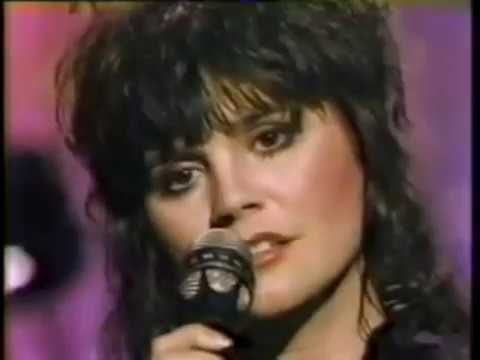
When Linda Ronstadt sang “I Believe in You”, she wasn’t chasing a hit single moment—she was making an album statement: a quiet, adult kind of devotion that lives in the spaces between certainty and fear. Her recording closes side two of Don’t Cry Now, released in October 1973 on Asylum Records. This matters, because Don’t Cry Now is one of those transitional records where you can hear her becoming the artist the decade would crown—still rooted in the L.A. singer-songwriter scene, but already carrying that unmistakable interpretive authority that made other people’s words feel like her own.
The album’s chart footprint tells you how far she’d come by then, even before the blockbuster years: Don’t Cry Now reached No. 45 on the Billboard 200 and climbed as high as No. 5 on Billboard’s Top Country Albums chart. It would also earn a Gold certification in the United States. “I Believe in You” itself wasn’t released as a single—no debut week, no headline peak—but it didn’t need one. It lived where some of Ronstadt’s most lasting choices live: on the album, waiting for listeners who stayed after the familiar titles.
And here’s the crucial thread behind the song: “I Believe in You” is a Neil Young composition, first released on his 1970 album After the Gold Rush. Young’s original is often described as a slow, confessional love song—tender, but uneasy, as if the narrator is arguing with himself while trying to sound reassuring. Ronstadt heard that tension and did something quietly brilliant with it: she sang the vulnerability without sanding down the doubt. In her hands, the title line doesn’t land like a victory banner. It lands like a promise someone makes because they’re afraid of losing the very thing they’re promising to protect.
On Don’t Cry Now, the track is credited to Neil Young, and it’s listed at about 2:50—a compact emotional scene that ends before it can over-explain itself. Production details add a subtle layer of color: the album’s credits note Peter Asher as co-producer on specific tracks, including track 10—the slot where “I Believe in You” sits in the full running order. That’s the kind of behind-the-scenes touch that fits the song: Asher’s best productions don’t shout; they frame the singer like good lighting—clean, flattering, and honest.
If I’m talking to you like a radio storyteller—late hour, the dial glowing—I’d say this song feels like sitting in a quiet room after an argument has ended. The sharp words have already been said. The pride has already marched out. What’s left is the fragile truth we rarely say first: I’m not sure I’m good at love… but I want to be. That’s what makes “I Believe in You” sting so sweetly. It doesn’t celebrate love as certainty. It portrays love as effort, as attention, as a deliberate act of staying.
Ronstadt’s voice—so famous for power—chooses restraint here. She doesn’t belt the feeling into submission. She lets it tremble just enough to sound real. And because the song comes at the tail end of Don’t Cry Now, it functions almost like the album’s closing thought: after the strong performances, the stylistic range, the proof of capability, she leaves you with something smaller and more human—faith, imperfectly spoken.
Maybe that’s the enduring meaning of “I Believe in You” in Linda Ronstadt’s catalog. It’s not the sound of someone who never doubts. It’s the sound of someone who believes anyway—not because it’s easy, but because it’s worth the risk. And if you’ve ever loved someone while secretly fearing you might fail them, this song doesn’t judge you. It simply sits beside you, steady and warm, and says the brave part out loud.