
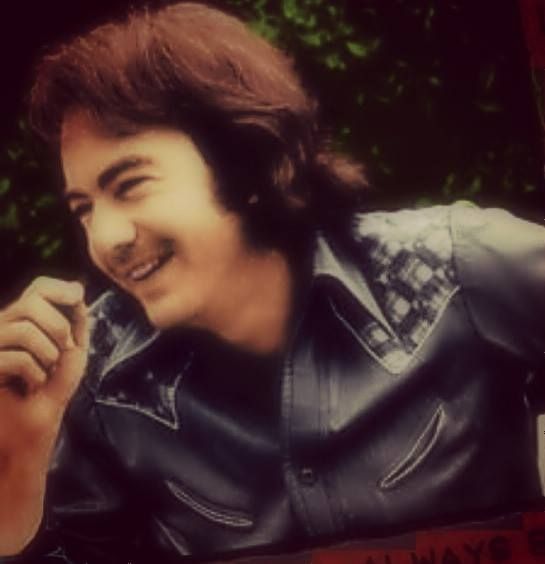
“I Am the Lion” is Neil Diamond’s little burst of primal theater—part chant, part fable—where the ego roars… and then, almost mischievously, the song hints that even the mightiest “lion” is still just a man trying to be heard.
When people speak of Neil Diamond, they often jump straight to the stadium anthems and the big, communal choruses—songs that seem built to echo off concrete and memory. But “I Am the Lion” lives in a different room entirely. It’s a compact, enigmatic track—barely over two minutes—nestled inside one of Diamond’s most adventurous early statements, Tap Root Manuscript. The album was released in October 1970 (often cited as October 15, 1970), though some discography listings give a slightly later date (November 6, 1970)—a reminder of how album release data in that era can vary by territory, pressing, and documentation.
This matters because “I Am the Lion” wasn’t launched as a radio single with a neat debut position on the Hot 100. Its “arrival,” in the chart sense, is tied to the album—an album that reached No. 13 on the U.S. charts and became a substantial commercial success, certified Platinum in the United States over time. And it’s worth saying plainly: that success did not come from safe choices. Tap Root Manuscript is remembered as one of Diamond’s most experimental records, folding pop-rock songwriting into what the album’s own historical descriptions call African sounds and instruments, especially on its conceptual second side, the “African Trilogy.”
That’s exactly where “I Am the Lion” belongs. It appears as part of that second-side suite, coming early—right after “Childsong”—as if Diamond is opening a painted door into a mythic landscape. Even the title feels like a mask being raised: I am the lion—not “I feel like,” not “I wish I were,” but an identity declared as if it were destiny. Yet the song’s true emotional current is more interesting than simple bravado. There’s a childlike quality to the whole presentation—something like a bedtime story told in shadows, where authority speaks loudly and the world answers back in riddles. A “lion” can be strength, certainly—but it can also be performance: the voice we put on when we’re trying to sound unafraid.
Listen closely to what the lyric fragments suggest, and you hear a strangely tender anxiety beneath the roar. The imagery leans toward wide-open plains, floods, running—nature as both freedom and threat—like a mind trying to negotiate with the uncontrollable. In that sense, “I Am the Lion” feels less like a victory chant and more like a coping spell. Sometimes you don’t say “I’m scared.” Sometimes you say “I am the lion,” because the sentence itself is armor.
That’s the beauty of placing this track inside Tap Root Manuscript. The album’s first side gave Diamond the commercial engine—“Cracklin’ Rosie” was the big hit that powered the era—while the second side allowed him to chase something older than pop: rhythm as ritual, voice as character, melody as storytelling. “I Am the Lion” is one of those moments where he stops courting radio and starts courting imagination.
And perhaps that is why the song has endured as a deep-cut fascination. It’s short, yes, but it’s not small. It’s Diamond letting himself be theatrical without needing a Broadway spotlight—creating a little stage inside the listener’s head. There’s humor in it, too, the faint sense that he knows exactly how bold the title sounds—how it teeters between majestic and slightly absurd. That tension is not a flaw; it’s the point. Real confidence is rarely pure. It’s complicated, sometimes even comic, because it’s human.
In the end, “I Am the Lion” isn’t asking you to believe Diamond is invincible. It’s asking you to remember the times you tried to sound invincible—when you needed a name for your courage and you borrowed it from the animal kingdom, from myth, from the oldest symbols we have. For two minutes, the song gives you permission to roar. And then it leaves you with a quieter truth: the roar is not the end of the story—it’s simply how the story begins.