
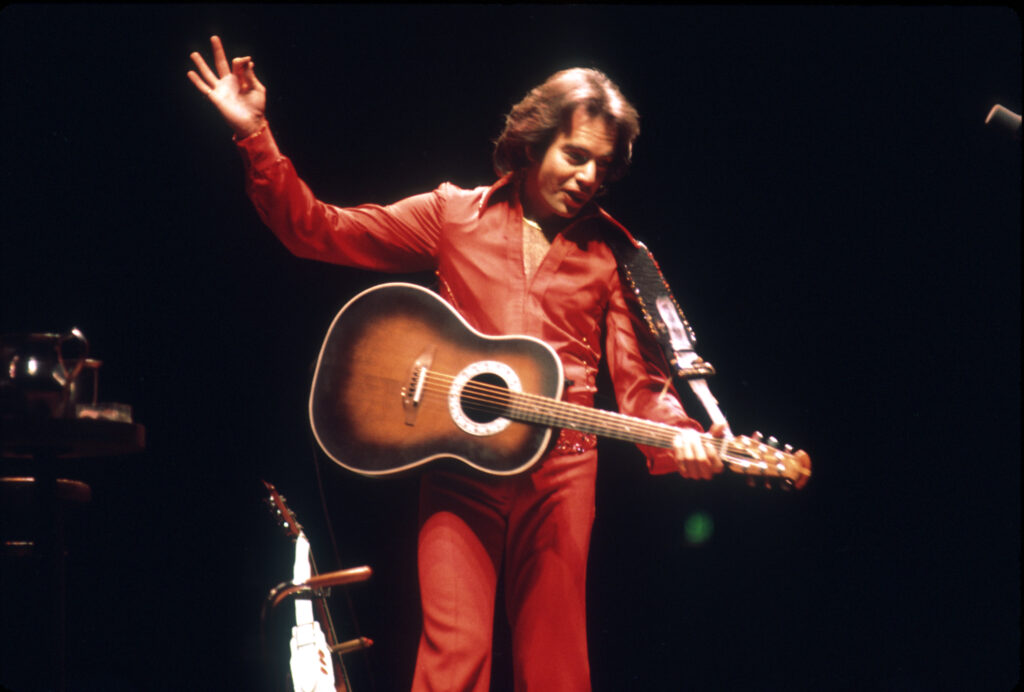
“Prologue” is Neil Diamond’s opening door to flight—an overture that doesn’t entertain so much as prepare the soul to leave the ground.
In Neil Diamond’s catalog, “Prologue” is one of those pieces that quietly proves how much power an “introduction” can hold. It isn’t a conventional pop single, it isn’t built for radio rotation, and it doesn’t come with a neat “debut at No. X” chart story—because “Prologue” was created as the opening track to a film score: Jonathan Livingston Seagull, Diamond’s soundtrack album released on October 19, 1973 by Columbia Records, produced by Tom Catalano.
That context matters immediately, because this album wasn’t a side project. It was Diamond stepping into a different kind of artistic room—one where songs had to serve a larger arc: longing, transcendence, and the courage to become what you are. The soundtrack went on to win the Grammy Award (1974) for Best Original Score Written for a Motion Picture or a Television Special—a rare, formal recognition of Diamond not just as a hitmaker, but as a composer shaping a cinematic spiritual journey.
And so “Prologue” functions like the first inhale before the leap. Depending on the edition you’re listening to, it runs just over three minutes (commonly around 3:19–3:22). It begins the way real awakenings begin: not with a loud announcement, but with a feeling—something stirring, something lifting, a suggestion that the ordinary world is about to be seen from above. In the track list, it stands at the very front of the narrative, preceding “Be” and the rest of the Seagull suite, like dawn before the first clear thought.
There’s a particular poignancy in remembering where Diamond was in 1973. The soundtrack is noted as his return to Columbia Records, a label shift that, in a career, often feels like a returning river—familiar water, but a different current. “Prologue” carries that sense of turning a page. It doesn’t sound like someone trying to “top the last hit.” It sounds like someone trying to say something bigger than a hit—to write music that can hold silence, sky, and the ache of becoming.
The story behind “Prologue” is also inseparable from the way Diamond later treated this material in concert. He frequently performed a Jonathan Livingston Seagull suite live—evidence that these pieces weren’t merely film cues to him, but a personal mythology he kept returning to. And decades later, in 1996, a studio version of that suite (including “Prologue”) appeared as part of his box set In My Lifetime, confirming again that this opening theme belonged to his long memory, not just to a single year.
What does “Prologue” mean, emotionally, when you listen without the film in front of you?
It feels like a vow to the self: I am about to change; I am about to try. Where many “prologues” are merely functional, this one is spiritual in its intention. It sets a tone of aspiration—of leaving the safe shoreline, of refusing to accept that life must be lived at the lowest possible altitude. Even the title suggests humility: it doesn’t call itself “the story.” It calls itself the beginning—the moment you gather courage, the moment you stop circling, the moment you finally take the idea of flight seriously.
That’s why “Prologue” can feel so moving, especially with time in your ears. It doesn’t demand nostalgia; it creates it—because it sounds like the beginning of many beginnings: a first day in a new city, a long drive at dawn, a private decision to start over. The music doesn’t shout “inspire yourself!” It simply opens the window and lets the sky in.
And perhaps that’s the greatest gift of Neil Diamond’s “Prologue”: it reminds us that the most important transformations rarely begin with fireworks. They begin with an overture—quiet, steady, and brave enough to say, without words: something is about to rise.