
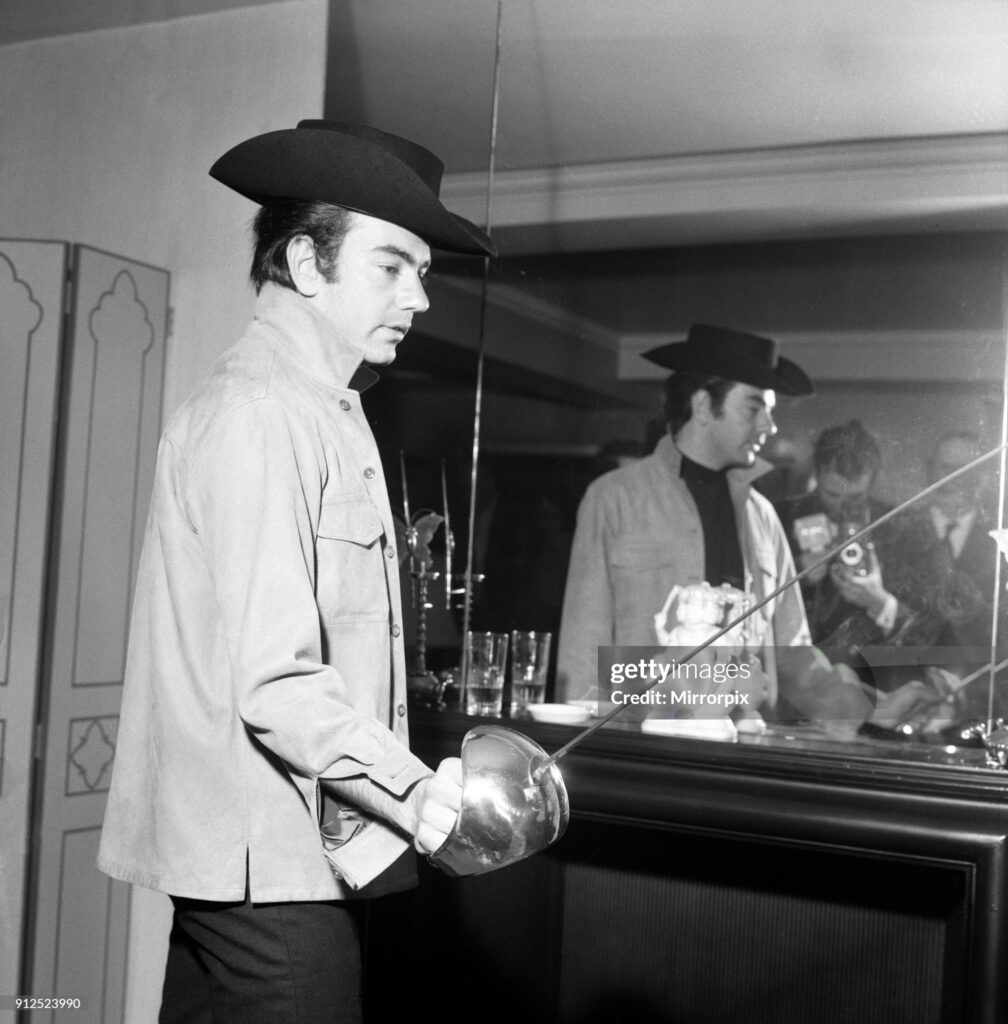
The pressure is the hook in “What’s It Gonna Be,” and from the very first words Neil Diamond gives uncertainty a pulse you can almost feel in the room.
Some songs open like a confession. Others open like a challenge. Neil Diamond’s “What’s It Gonna Be” lives in that second space, and that is exactly what gives it its hold. The title does not drift in gently. It presses forward. It demands an answer. It sounds like a man who has reached the point where waiting has become its own form of pain, where indecision is no longer neutral, and where every passing moment seems to tighten the emotional air around him. That pressure is the song’s real seduction. Before melody has fully settled, the listener is already inside a question that feels urgent, exposed, and impossible to ignore.
The song appeared on 12 Songs, released on November 8, 2005, the album that brought Neil Diamond into a sparer, more intimate late-career setting under the production of Rick Rubin. On the official Neil Diamond album page, “What’s It Gonna Be” sits near the center of the record, following “I’m On To You,” which tells you something about the emotional territory Diamond was working in at the time: suspicion, reckoning, hard questions, stripped-down feeling. It was not an era of grand show-business polish. It was an era of closer shadows and more inward songs.
That context matters, because “What’s It Gonna Be” is not powerful in a loud way. It is powerful in the way a tightly held conversation can be powerful when both people already know the easy evasions are over. Even the lyric fragment publicly visible on streaming listings carries that tension beautifully: “Why you want to go there? / Where’s it gonna lead? / What’s it gonna be when the night is cold?” Those are not decorative lines. They move like pressure building in real time. The singer is not simply asking a question; he is cornering the moment, forcing it into clarity, making the other person — and the listener — stay with the discomfort a little longer.
That is why true Neil Diamond listeners respond to the song so quickly. They know he has always understood the drama of emotional confrontation, but in 12 Songs he was doing it without excess, without the old need to fill every line with theatrical sweep. Rubin’s production on the album was built around a more stripped, direct presentation of Diamond’s writing, and “What’s It Gonna Be” benefits enormously from that restraint. The question at the center of the song is allowed to stand almost bare. There is nowhere to hide from it. That bareness makes the song feel more adult, more bruised, and more final in its tone than a more heavily arranged version might have.
There is also something especially effective in the title itself. “What’s It Gonna Be” sounds conversational on the surface, almost casual, but in Diamond’s world that kind of plain phrase often carries the deepest emotional charge. He had long been a writer who understood how ordinary words can turn loaded when placed at the right emotional temperature. Here, the phrase becomes a crossroads. It asks for choice, but it also exposes fear — fear of loss, fear of truth, fear that the answer, once spoken, will close a door that cannot be reopened. That is why the song feels tense from the outset. It is not waiting for drama to arrive. The drama is already there, built into the question itself.
And that is what gives the song its lingering force. It does not depend on a giant hook in the pop sense. The hook is emotional. The hook is the pressure. The hook is the feeling that every line is leaning toward a decision no one is ready to make, even though the time for postponing it has passed. On an album that marked one of Neil Diamond’s most admired later-career reinventions, “What’s It Gonna Be” stands as one of those songs that reveals how much heat can live inside restraint.
So the reason the song lands so quickly is simple: Neil Diamond knows that indecision can be more dramatic than confession. In “What’s It Gonna Be,” he turns that suspended moment into the whole emotional engine of the piece. And from the first words, that tension is already alive — not showy, not overworked, just quietly relentless, the kind of pressure that true fans recognize at once because they can hear, beneath the melody, that someone’s heart has already run out of patience.