
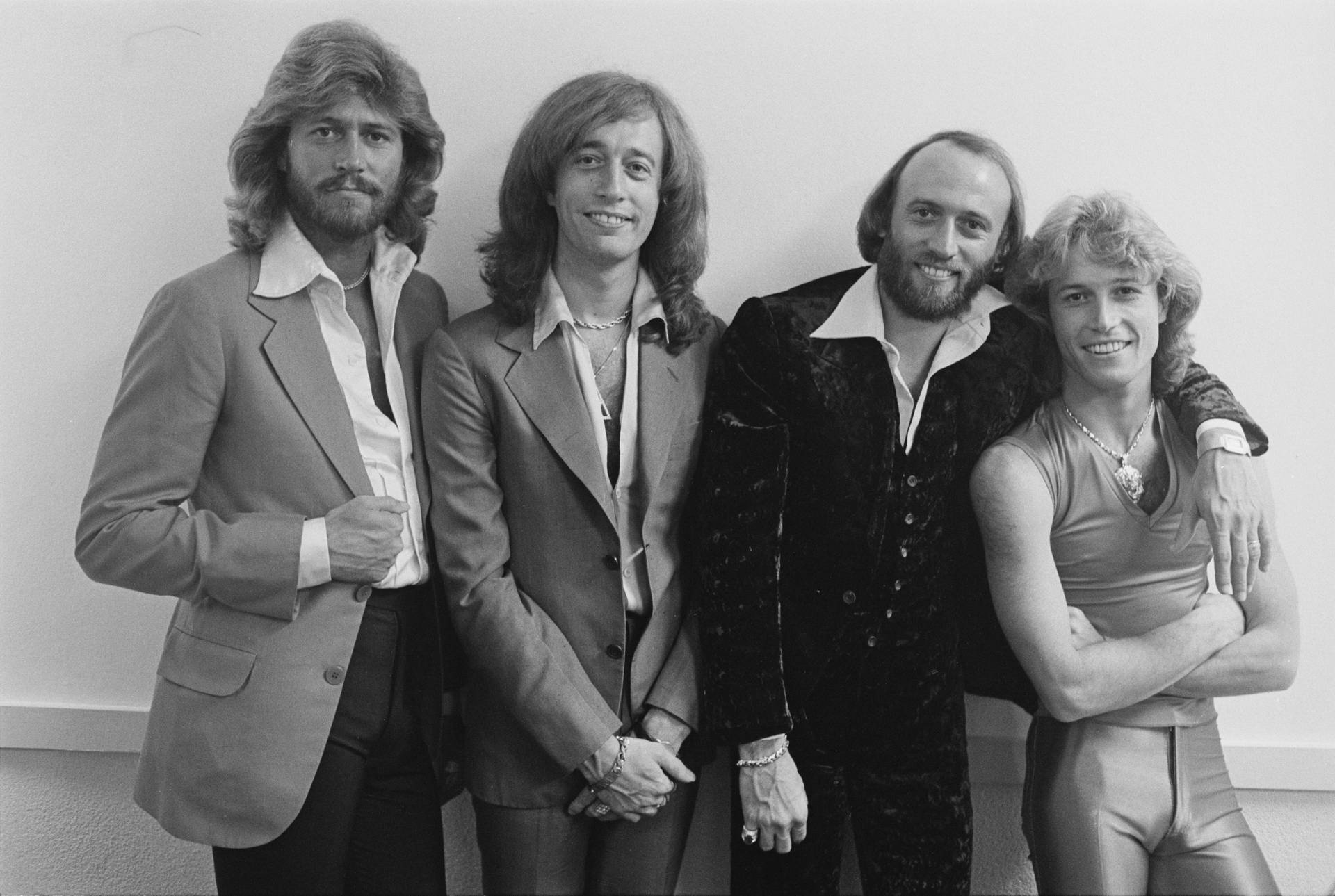
“Lion in Winter” is the Bee Gees’ portrait of bruised grandeur—when you’re told you could be a king, yet you’re left feeling like “a lion with no crown.”
Bee Gees’ “Lion in Winter” arrived in September 1971 on the album Trafalgar, recorded at IBC Studios (London) between 28 January and April 1971, with production credited to the Bee Gees alongside Robert Stigwood. On the LP it sits on Side Two as track 5, running 3:59, written by Barry Gibb and Robin Gibb, and sung in tandem by Barry and Robin—a shared lead that already hints at a song built from tension, negotiation, and two perspectives leaning into the same wound.
If you’re looking for a neat “debut and peak” chart story for the song itself, the truth is simpler: “Lion in Winter” wasn’t released as a single. The album is the chart landmark here—Trafalgar peaked at No. 34 on the Billboard 200 in the U.S. And it lived in the shadow-glow of its lead single, “How Can You Mend a Broken Heart,” the Bee Gees’ first U.S. No. 1—a triumph that made Trafalgar feel, from the outside, like a comeback story.
But “Lion in Winter” whispers a more complicated truth: comebacks can be loud, while the private costs remain quiet.
To understand the ache in this track, you have to remember where the brothers were emotionally in 1971. Bee Gees historian Joseph Brennan notes that after their reunion, Barry, Robin, and Maurice needed time to find their way back into working together, falling into familiar roles while also discovering that “it was not the same; nothing ever is.” That sense—of returning, yet returning changed—hangs in the air of “Lion in Winter.” Even the band’s on-record structure was shifting: drummer Geoff Bridgford was brought into the official lineup around this period, and guitarist Alan Kendall joined the backing band early in 1971, both names attached to the Trafalgar era documentation.
Now listen to the lyric image the song chooses, right away: “Lion in my winter / I’m a lion with no crown.” It’s a devastating metaphor because it isn’t simply about sadness—it’s about diminished power, about being built up in other people’s imagination and then quietly stripped of what makes you whole. The song even names the machinery of fame with a bitter half-smile: “You wanna make me big man… some kind of James Brown… or something in between.” That reference matters. James Brown represents spectacle, command, undeniable stage authority—the kind of crown nobody can pretend you don’t deserve. In “Lion in Winter,” the narrator is being promised that kind of greatness, yet the deal feels crooked: “when I look for money you smother me in charms… I can’t live on glory.”
That line is the song’s quiet knife. It’s the grown-up realization that praise doesn’t pay the rent, that admiration can be another form of control, that “being a star” can be offered like a substitute for being treated fairly. The chorus turns the metaphor into a lament that feels almost biblical in its plainness: “What good’s a lion, lord, without a crown?” Not “what good am I,” but what good is the symbol if the substance is gone?
Musically, Trafalgar is often described as ballad-heavy, yet it’s built with craft and muscle—Bill Shepherd’s orchestral arrangements, the steady rhythm section, and the brothers’ layered vocals designed for maximum emotional pressure. “Lion in Winter” uses that palette to sound both stately and trapped: the beat insists forward, while the lyric keeps circling the same humiliation—being told you’re magnificent while being handled like you’re disposable. Even the setting inside the words—“living in a cave… upon your marble throne”—feels like a bitter postcard from a palace that’s somehow lonely.
What makes the song linger, decades later, is that it isn’t only about the Bee Gees or the music business. It’s about anyone who has ever been praised in public and diminished in private. Anyone who has ever felt their identity turned into a costume: wear this, be that, smile for the camera—then go home and try to survive on “glory.” In that sense, “Lion in Winter” is not a roar. It’s the sound a roar makes after it has been swallowed for too long.
And maybe that’s why it feels so human. A lion in winter isn’t weak—it’s enduring. It’s conserving what it has left. It’s waiting for the season to break. And the Bee Gees, in 1971, knew something about seasons: how quickly they turn, how suddenly the crown can slip, and how much dignity it takes to keep singing anyway—still hungry, still proud, still searching for a truer kind of reign.