
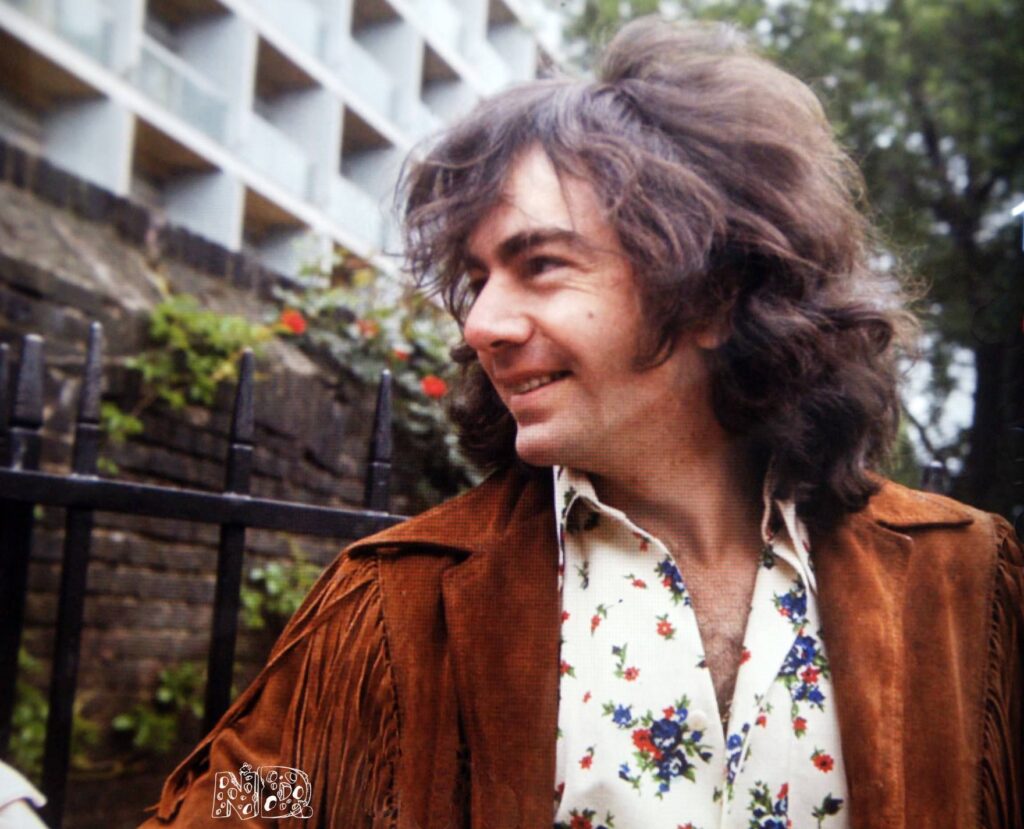
“Juliet” finds Neil Diamond in a brighter, more youthful mood, turning romantic longing into a shimmering pop song that still carries his unmistakable warmth and ache.
Among the many songs in Neil Diamond’s long and remarkable catalog, “Juliet” remains one of those titles that often catches listeners by surprise. People remember the giants first—“Sweet Caroline,” “Cracklin’ Rosie,” “Song Sung Blue,” or “Hello Again”—but “Juliet” belongs to a different and very interesting chapter in his career. Released from the 1982 album Heartlight, the song arrived during a period when Diamond was adapting his songwriting instincts to a more polished early-1980s pop sound. In the UK Singles Chart, “Juliet” reached No. 14 in 1983, giving him a notable overseas hit and proving that his voice and melodic touch could still connect across changing musical fashions.
That is part of what makes the song so appealing today. It does not sound like Neil Diamond trying to chase trends in a desperate way. Instead, it sounds like a veteran songwriter stepping into a new decade with confidence, carrying his dramatic flair, his romantic instincts, and that deep emotional sincerity that had always set him apart. The production is sleek, yes, and far more electronic than the grand, earthy style many listeners associate with his early 1970s peak. But underneath the gloss, “Juliet” is built on classic Diamond strengths: a memorable hook, a sense of yearning, and a performance that feels both theatrical and intimate.
Heartlight, the album that produced the song, came at a fascinating time. By the early 1980s, Neil Diamond was no longer simply the hitmaker of his Bang and Uni years, nor just the arena-filling superstar who had conquered the 1970s. He was an established figure, a songwriter with history behind him, yet still eager to remain relevant in a new pop landscape. The album itself reached No. 9 on the Billboard 200, showing that his audience was still very much with him. The title track “Heartlight” became the bigger American hit, but “Juliet” found a special life of its own, especially outside the United States.
There is something fitting about the title “Juliet”. The name immediately carries literary and romantic echoes, and Diamond knew exactly how powerful that would feel. He was always drawn to heightened emotion, to songs that turned simple feelings into something nearly mythic. In this case, he takes a lover’s name and transforms it into a melodic cry—something tender, catchy, and full of movement. The song is not a direct retelling of Shakespeare, of course, but the emotional association is unmistakable. It suggests devotion, pursuit, idealization, and the restless excitement of wanting someone who seems just out of reach.
That emotional pull is one reason the song has aged better than some critics may have predicted. At first listen, one might hear the bright 1980s production and think of its era more than its substance. But listen again, and the heart of the song begins to show. Neil Diamond sings it with energy rather than irony. He commits fully. That has always been one of his most admirable qualities as a vocalist. He never stands outside the song making clever comments about it; he steps directly into its feeling. In “Juliet”, that means giving the melody a kind of breathless glow, as if romance itself has become rhythm.
The story behind the song is also part of its appeal. It emerged during a period when many veteran artists were trying to find their place in the 1980s, and not all of them managed the transition gracefully. Some sounded diminished. Some sounded disconnected from themselves. But Neil Diamond had a gift for carrying his identity forward even when the arrangements changed. “Juliet” may be lighter on the brooding gravity of songs like “I Am… I Said”, yet it still bears his emotional signature. The romantic urgency, the carefully shaped melody, the sense that love is both joy and ache—those things are unmistakably his.
It is also worth noting that songs like this reveal how broad Diamond’s artistry really was. He could write deeply introspective ballads, sing with gospel-like uplift, command an arena with a singalong chorus, and then turn around and deliver a sleek pop record like “Juliet” without losing his identity. That versatility is sometimes overlooked because his best-known hits loom so large. But for listeners willing to dig a little deeper, “Juliet” offers a rewarding glimpse of an artist refusing to become static.
Another strength of the song is its mood. So much of Neil Diamond’s work balances melancholy and affirmation, and “Juliet” leans more toward light than shadow. It has movement in it. It feels open, windblown, almost cinematic in its own pop way. Even the yearning inside the lyric is wrapped in brightness. That makes the song memorable for a different reason than his heavier classics. It does not ask to break your heart. It asks to stay with you, to circle back later in memory, and to remind you how effortlessly Diamond could make longing sound tuneful and alive.
For longtime admirers, “Juliet” is one of those recordings that confirms how much more there is to the Neil Diamond story than a greatest-hits package can ever show. For newer listeners, it can be a doorway into the elegant craftsmanship of his later work. And for anyone who lived through the early 1980s, it brings back that curious, transitional moment when familiar voices were meeting new sounds and sometimes discovering fresh colors in the process.
In the end, “Juliet” endures because it carries two kinds of memory at once. It remembers the timeless romance that always fueled Neil Diamond’s songwriting, and it remembers a specific pop era when shimmer, pulse, and melody could still meet in a song with genuine heart. That combination gives “Juliet” its quiet staying power. It may not be the first title spoken when people name his greatest songs, but once it starts playing, it is easy to hear why it has never quite disappeared from the affections of those who know it well.