
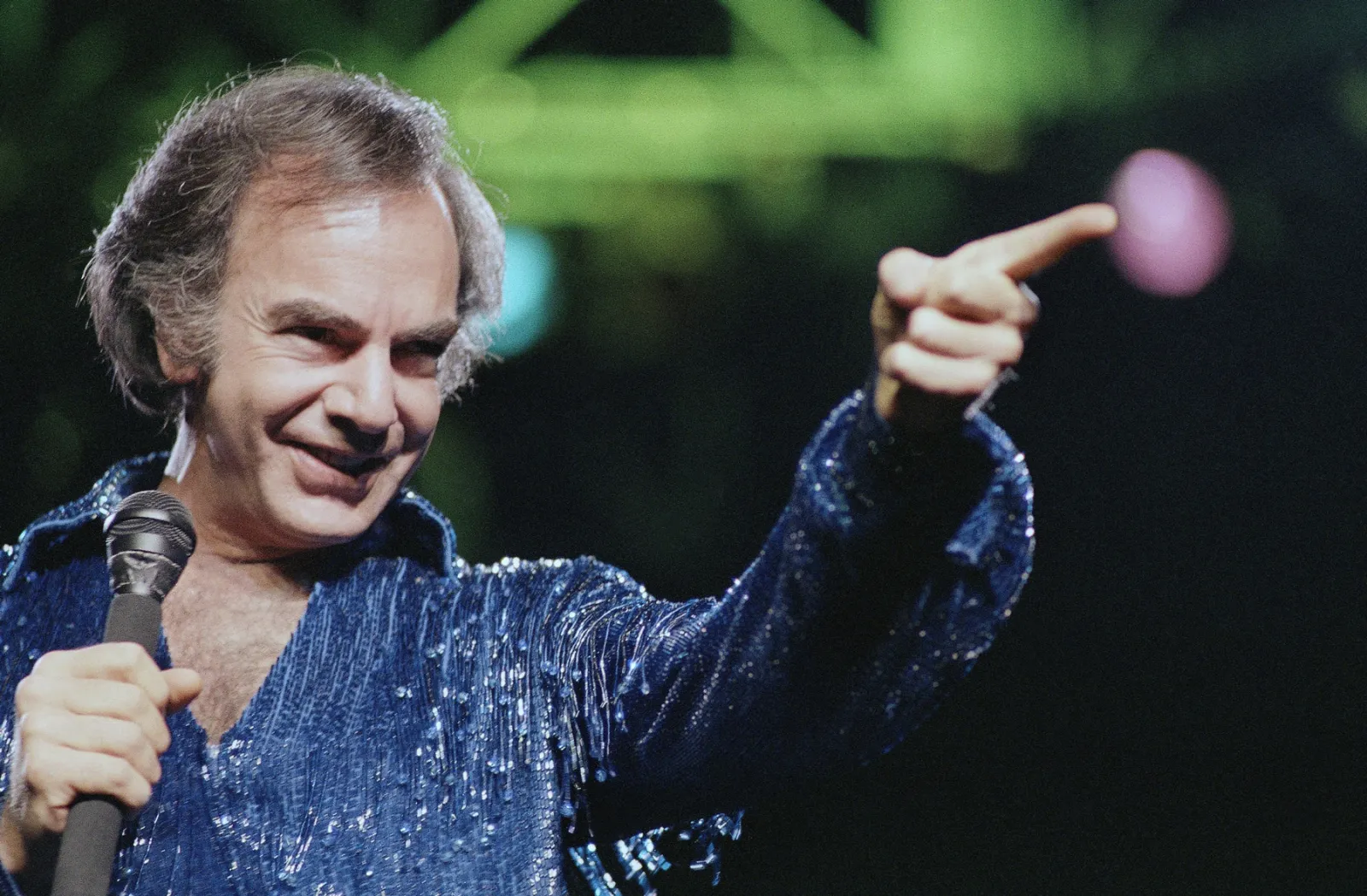
The Spark of Youthful Infatuation That Set Neil Diamond’s Star Ablaze
When Neil Diamond released “You Got To Me” in late 1966, it marked one of the early flashes of brilliance that would soon define his remarkable career as both a songwriter and performer. Issued as a single on Bang Records and later included on his debut album The Feel of Neil Diamond (1966), the song climbed into the Top 20 of the Billboard Hot 100 in early 1967, peaking at No. 18—a moment that signaled the young songwriter’s swift transition from behind-the-scenes composer to bona fide pop sensation. Coming just after his success with “Cherry, Cherry” and before his move toward more introspective songwriting in the 1970s, “You Got To Me” captures Diamond at a crucial artistic juncture: hungry, hopeful, and completely unguarded in his expression of youthful love.
At its core, “You Got To Me” is a celebration of surrender—the sweet, dizzying loss of composure that comes when one is unexpectedly overtaken by affection. Diamond’s vocal delivery radiates an exuberant immediacy; his voice, still carrying traces of Brill Building polish, bursts forth with unfiltered passion. The production—crisp guitars, driving rhythm section, buoyant harmonies—embodies mid‑’60s pop craftsmanship at its finest. Yet beneath that infectious energy lies something deeper: an undercurrent of awe and disbelief at the power of love to transform ordinary life into something electric.
In the context of Diamond’s early career, this song stands as a bridge between two worlds. Before he became the poetic storyteller of “Solitary Man” or the grand architect behind “Sweet Caroline,” he was experimenting with how melody and emotion could collide in pure pop form. “You Got To Me” encapsulates that moment when craft meets instinct—when a songwriter who had been penning hits for others (notably The Monkees) began claiming his own voice. There’s no trace of irony or distance here; every note seems to leap straight from the heart to the listener’s pulse.
Musically, the track mirrors its lyrical simplicity and directness. The upbeat tempo and bright guitar lines echo the rush of first attraction, while Diamond’s phrasing alternates between control and abandon—a stylistic foreshadowing of his later ability to balance theatricality with sincerity. In essence, “You Got To Me” is pop distilled to its emotional essence: immediacy without artifice.
Culturally, the song captures a fleeting innocence within American pop music—a pre‑psychedelic era when romance was still painted in vivid primary colors. Listeners could feel themselves reflected in its exuberance, its refusal to overthink what love means when it simply feels right. For those who first encountered it on crackling AM radios or spinning 45s, it remains one of those timeless jolts of recognition: that moment when music makes falling in love sound like both a revelation and a dance.