
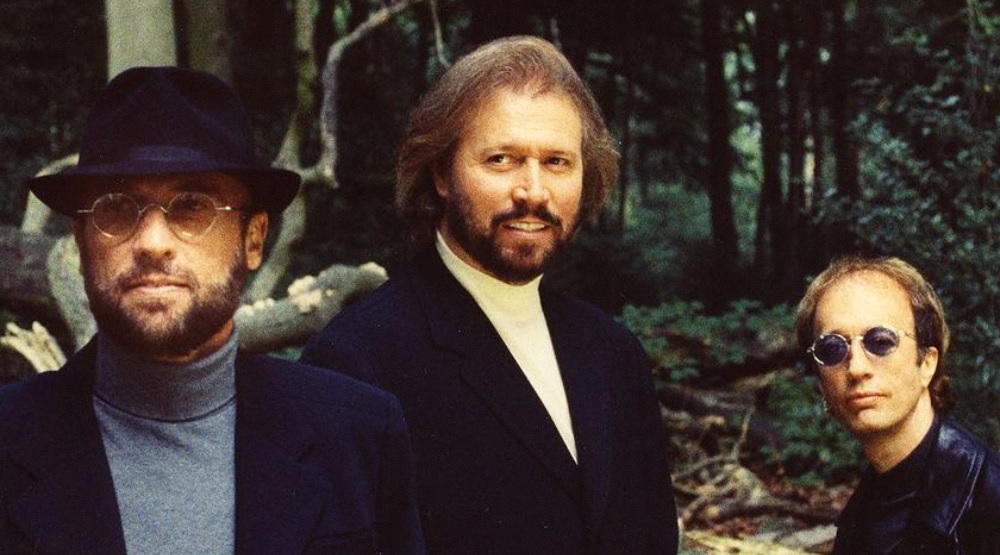
Paying the Price of Love captured the Bee Gees at a restless, reflective moment, turning heartbreak into something sleek, wounded, and surprisingly modern for 1993.
When Bee Gees released Paying the Price of Love in 1993, they were not simply revisiting former glories. They were entering a new chapter with a song that sounded more guarded, more weathered, and in many ways more emotionally complicated than much of what casual listeners expected from them. Issued as the lead single from the album Size Isn’t Everything, the track showed that Barry Gibb, Robin Gibb, and Maurice Gibb were still writing with sharp instinct and emotional intelligence. In the United States, the single reached No. 74 on the Billboard Hot 100, a modest placing by the group’s historic standards, yet chart numbers only tell part of the story. What mattered more was the atmosphere of the record and the way it revealed a legendary trio refusing to stand still.
By then, the Bee Gees had already lived several musical lives. They had been baroque-pop craftsmen, harmony kings, songwriters for others, disco-era giants, and late-career survivors of changing fashions. That is part of what makes Paying the Price of Love so interesting. It does not sound like a group trying to imitate the past. Instead, it carries a harder edge, with programmed rhythms, a darker pulse, and a cool sheen that belonged very much to the early 1990s. Yet beneath that production, the emotional architecture is unmistakably theirs: regret, longing, and the painful wisdom that love is rarely as simple as memory wants it to be.
The title alone tells you almost everything about its emotional core. Paying the Price of Love is about the cost that comes after illusion fades. This is not young romance written in bright colors. It is love seen through the eyes of people who understand that attachment can bruise as much as it can heal. The lyric speaks in the language of reckoning. There is a sense that the heart has entered a bargain without fully understanding the terms, and now the debt has come due. That idea gave the song an unusual gravity. Rather than celebrating devotion, it examines the consequences of emotional surrender. That is one reason the song continues to resonate with listeners who hear in it something more mature than a standard pop lament.
There is also a fascinating contrast at work in the recording itself. The groove is tight, contemporary, and almost mechanical in places, but the voices remain deeply human. Barry Gibb brings force and control, while the layered harmonies give the song its haunted quality. The arrangement never collapses into melodrama. Instead, it moves with restraint, as though the pain has already settled in and become part of daily life. That measured tone is one of the song’s greatest strengths. It does not beg for sympathy. It simply tells the truth as the Bee Gees understood it: love can elevate you, but it can also leave a mark that time does not easily erase.
As the opening statement from Size Isn’t Everything, the single also announced the character of that album. The record itself was one of the most underrated entries in the group’s later catalog, balancing polished pop craft with introspection. Even the album title carried a quiet argument: that substance, feeling, and songwriting still mattered in an era increasingly driven by image and shifting trends. Paying the Price of Love embodied that spirit. It may not have become one of the Bee Gees’ biggest mainstream hits, but it served notice that their artistic instincts remained alive and alert.
The backstory of the song is not built around scandal or studio chaos. Its deeper story lies in timing and artistic intention. In 1993, the brothers were seasoned enough to understand their legacy, yet they were still ambitious enough to challenge it. Many veteran acts choose comfort at that stage. The Bee Gees chose reinvention within continuity. They did not abandon melody, but they dressed it in a more modern emotional and sonic frame. That decision gave Paying the Price of Love a slightly uneasy beauty. It sounds like experience learning how to survive in a changed world.
And that may be the song’s real meaning. More than a breakup record, it is a meditation on what happens when hope and memory collide. Love is not presented here as fantasy or rescue. It is portrayed as something precious enough to pursue and dangerous enough to wound. That duality has always been present in the best Bee Gees songs, from their tender ballads to their most polished pop records. But here, the balance feels especially stark. The sweetness is there, but it is shadowed. The melody lifts, but the lyric remembers the fall.
For listeners who have followed the group across decades, Paying the Price of Love remains compelling because it captures the dignity of artists who had nothing left to prove and still kept searching. It stands apart from the sparkle of the disco years and the lush romance of their classic ballads, yet it belongs to the same emotional lineage. The song reminds us that the Bee Gees were never just masters of hooks. They were chroniclers of vulnerability, capable of wrapping sorrow in elegance and making hard truths singable.
That is why the record lingers. Not because it dominated every chart, and not because it arrived with the loudest fanfare, but because it sounded honest. In its cool production, aching title, and finely controlled vocal performance, Paying the Price of Love offered something richer than nostalgia. It offered perspective. And when a song can do that, it earns a life far beyond its original release year.