
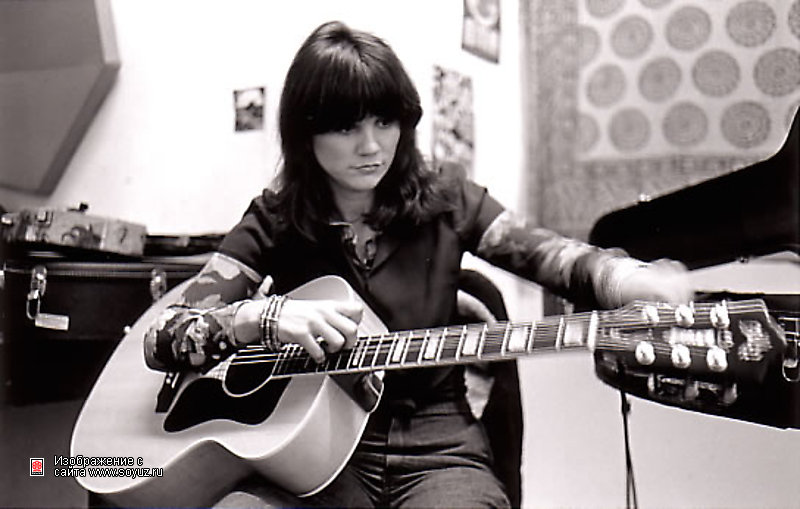
“You’re No Good” (Live in Offenbach, 1976) turns a breakup warning into a roaring act of self-respect—Linda Ronstadt singing it not as bitterness, but as liberation with a backbeat.
Let’s set the important facts on the table first. “You’re No Good” was written by Clint Ballard Jr. and became the defining hit of Linda Ronstadt’s mid-’70s ascent when her studio version—released on Heart Like a Wheel—went all the way to No. 1 on the Billboard Hot 100, with the chart’s No. 1 date of February 15, 1975 (her only Hot 100 No. 1).
Now fast-forward to Offenbach am Main, Germany, November 16, 1976, at the Stadthalle—the filmed Rockpalast concert that has become one of the most cherished documents of Ronstadt in full command. The show is widely cataloged with that exact date and venue, and “You’re No Good” appears in the setlist from that night.
And here’s what’s so moving about hearing it there—two years after the studio single conquered radio.
In the studio, “You’re No Good” is tight, sleek, and sharply arranged: a pop-rock engine with a hint of menace, built to sound inevitable coming out of a car speaker. Live in Offenbach, it becomes something else: a statement. Ronstadt doesn’t merely revisit a hit; she reclaims the emotional center of it. The lyric is famously blunt—this lover is trouble, and the singer is done being fooled—but in performance she avoids the trap of turning it into pure scorn. Instead, she lets it carry that more complicated feeling many listeners recognize: the moment you stop arguing with reality and simply step away.
What makes the 1976 version special is the body language of the music. You can feel the band pushing the groove like a rolling current—guitars snapping, rhythm section locked in—while Ronstadt rides above it with that rare combination of polish and ferocity. This is why her live prime still hits so hard: she could sing with near-studio accuracy, yet keep the edges alive, as if the words were being discovered in real time.
The Offenbach setting adds its own quiet poetry. Ronstadt—an American singer whose voice had absorbed country, rock, pop, and R&B—standing in Germany in 1976, proving that the emotional grammar of a great song travels without translation. A crowd doesn’t need to share your hometown to understand the sound of someone waking up. And “You’re No Good” is exactly that: a wake-up song. Not the gentle kind. The kind that arrives with adrenaline.
There’s also a deeper career story humming underneath. By late 1976, Ronstadt was no longer merely “the woman with the great voice.” She was a force shaping what mainstream American singing could be—bringing country material to rock audiences and rock energy to country storytelling, without ever sounding like she was wearing a costume. The fact that this particular performance is preserved as part of the Rockpalast broadcast legacy makes it feel like a time capsule of that era’s live culture—when a singer could be glamorous and gritty, precise and dangerous, all in the same three minutes.
And listen closely: the emotional meaning of “You’re No Good” shifts slightly in concert. On record, it can sound like a breakup delivered with cool certainty. Live, it sounds like certainty that had to be earned—like someone who learned the hard way what charm can hide, and is finally choosing herself without apology. That’s why this performance doesn’t age into kitsch. It remains bracing, even now, because it captures a timeless turning point: when the heart stops negotiating and starts walking.
So Linda Ronstadt in Offenbach, 1976 isn’t simply singing a hit that once ruled the charts. She’s demonstrating why it ruled in the first place—because beneath the catchy hook is a sturdy human truth: recognizing what harms you, naming it clearly, and letting the last note feel like a door closing on the past.