
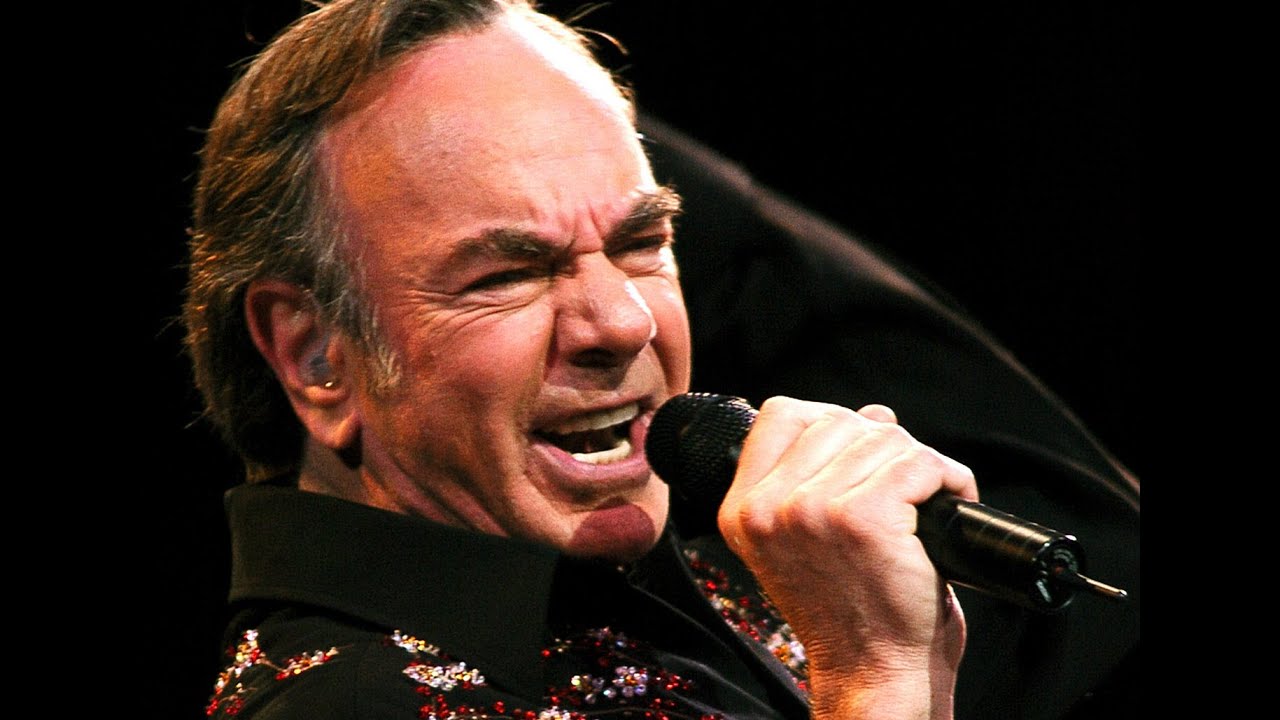
Neil Diamond did not simply cover Alone Again (Naturally); he softened it into a wiser, more lived-in meditation on solitude, memory, and the quiet ache people carry with grace.
Although Alone Again (Naturally) will always be linked first to Gilbert O’Sullivan, Neil Diamond gave the song a striking second life when he recorded it for his 2010 covers album Dreams. That context matters. O’Sullivan’s original, released in 1972 from the album Back to Front, reached No. 1 on the Billboard Hot 100 for six weeks, climbed to No. 1 on the Easy Listening chart, and reached No. 3 in the UK. Diamond’s version was not pushed as a major chart single, but the album Dreams still made an impressive arrival, reaching No. 8 on the Billboard 200. In other words, this was not a novelty choice buried in a late-career project. It was part of a record that reminded listeners how deeply Diamond understood great songs.
The story behind Alone Again (Naturally) has always given it unusual weight. Many listeners assumed O’Sullivan had written a direct confession, because the lyric feels so intimate and exposed. Yet he explained more than once that it was not a literal diary entry. It was carefully written, shaped for emotional truth rather than strict autobiography. That distinction is important, because the song works precisely by sounding personal while touching something much larger: disappointment, abandonment, spiritual confusion, and the strange emptiness that can arrive even in a crowded world. Very few popular songs from that era dared to sound so conversational while carrying such heavy feeling.
What makes Neil Diamond’s reading so compelling is that he does not compete with the original. He does not try to remake it into one of his grand, arena-sized declarations. Instead, he leans into restraint. The performance feels intimate, patient, and unforced, as though he understands that songs about loneliness rarely need decoration. By 2010, Diamond’s voice had gained a roughened warmth that served this material beautifully. The brightness of youth had given way to something deeper: phrasing that suggested experience, pauses that felt meaningful, and a tone that carried both sorrow and composure at once.
That is the hidden strength of his version. When Gilbert O’Sullivan sang Alone Again (Naturally) in 1972, there was a startling contrast between the gentle melody and the emotional weight of the lyric. With Neil Diamond, that contrast changes. He sounds less startled by the song’s loneliness and more acquainted with it. The result is not sharper, but richer. He turns the song from a moment of immediate emotional shock into something closer to reflection. It becomes the sound of a man looking back across years, understanding that life does not always break in dramatic ways; sometimes it simply grows quieter, and that quiet tells its own story.
There is also something particularly fitting about this song appearing on Dreams. The album was built from material Diamond loved and wanted to inhabit in his own way, and that spirit shows here. He approaches the song with respect, but not distance. You can hear the affection for the writing itself: the plainspoken lyric, the memorable melodic rise, the way the title phrase lands with both simplicity and enormous feeling. Diamond had long been one of popular music’s finest interpreters of yearning, whether in his own songs or in the work of others. That gift makes Alone Again (Naturally) a natural fit for him, even if it was never one of the titles most commonly associated with his name.
The meaning of the song remains powerful because it speaks to a very adult form of loneliness. This is not youthful melodrama. It is the loneliness that follows disillusionment, the silence after expectations collapse, the inward questions that linger when certainty slips away. The lyric moves from personal disappointment to family memory and spiritual doubt, yet it never feels abstract. It stays human, almost conversational, and that is why it has endured for decades. In Diamond’s hands, those themes feel even more grounded. He sings as if he knows that pain is only part of the story; endurance is the other part. That balance gives his version much of its dignity.
It is worth remembering, too, that cover versions often reveal as much about the singer as the song. Neil Diamond had spent a career balancing drama with tenderness. He could fill a room with sheer emotional force, but he could also step back and let a lyric breathe. On Alone Again (Naturally), he chooses the second path, and that decision says a great deal about the maturity of his later work. Rather than trying to stamp his identity over the song, he lets the song meet his identity halfway. What emerges is a performance full of humility, craft, and quiet emotional authority.
For longtime admirers of Neil Diamond, this track is one of those later recordings that rewards close listening. It may not be the first title named alongside Sweet Caroline, Cracklin’ Rosie, or Song Sung Blue, but that is partly what makes it so moving. It feels discovered rather than announced. And for anyone coming to it after years of knowing only the O’Sullivan original, Diamond’s version offers a fresh perspective on a familiar classic. The melody remains beautiful, the lyric remains piercing, but the emotional center shifts. It becomes less about immediate heartbreak and more about the long echo that follows it.
That is why this recording stays with people. Alone Again (Naturally) was already a classic before Neil Diamond touched it. What he added was not chart dominance or reinvention for its own sake. What he added was time, tenderness, and the kind of emotional shading that only a seasoned singer can bring. In his voice, the song does not plead for sympathy. It asks for recognition. And that may be the most lasting kind of performance of all.