
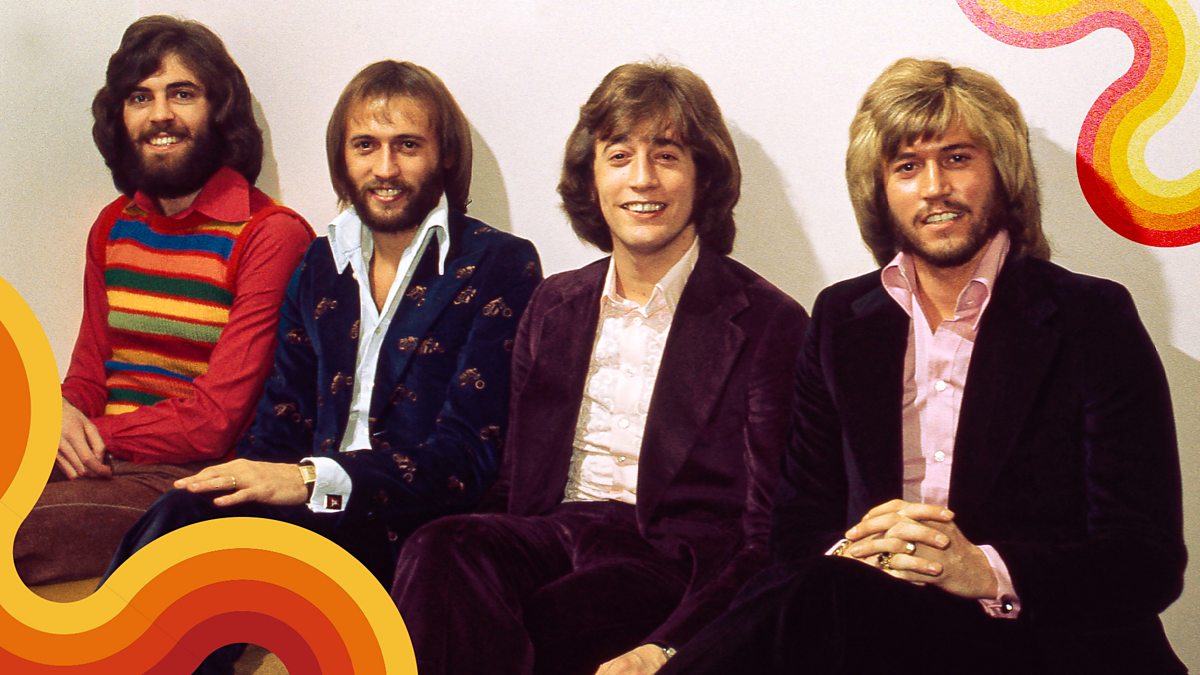
The Restless Pulse of Youth Trapped Within Its Own Walls
When the Bee Gees released “Claustrophobia” in 1964, it stood as one of their earliest recorded singles, a small but revealing shard of the sound that would later define one of pop music’s most enduring dynasties. Issued under the Australian Leedon label and included on their debut album The Bee Gees Sing and Play 14 Barry Gibb Songs, the track did not make a significant dent on the charts. Yet, within its modest production and raw adolescent energy lay the unmistakable DNA of future greatness—the interplay of harmonies, the emotive reach of Barry Gibb’s songwriting, and the youthful ache of isolation seeking expression through melody.
“Claustrophobia” captures a rare glimpse of the Bee Gees before fame, when their voices were still stretching toward identity. Written by Barry Gibb while the band were teenagers living in Australia, it belongs to an era when their influences—rock ‘n’ roll, skiffle, and early beat music—mingled freely with a yearning for originality. The title itself evokes a feeling both physical and psychological: a young man hemmed in by invisible walls, grasping for escape. In that way, it resonates beyond its literal narrative into something emblematic of the mid-1960s experience—the sense that change was imminent but not yet within reach.
Musically, “Claustrophobia” is built upon brisk guitars and buoyant rhythms typical of early British-influenced pop. But listen closely and you can already hear the craftsmanship that would come to define their later ballads—the careful stacking of harmonies, the delicate balance between melody and melancholy. There’s a nervous energy coursing through its brisk tempo; every chord seems to push against confinement, striving toward some emotional horizon just out of sight. The production is spare by modern standards, but that sparseness lends it an immediacy—a sense that the listener has stumbled into a garage where three brothers are testing the limits of both sound and self.
Lyrically, the song reflects youthful frustration with being trapped by circumstance—whether by place, emotion, or expectation. The protagonist feels stifled, misunderstood, boxed in by social pressures or personal fears. It is not yet the sophisticated introspection of later Bee Gees masterpieces like “I Started a Joke” or “How Deep Is Your Love,” but rather their emotional seedling: honesty in its simplest form. That honesty gives “Claustrophobia” its charm; one can feel Barry reaching for language equal to his feelings, for melody equal to his restlessness.
As an artifact, “Claustrophobia” is more than an early pop experiment—it’s a window into artistic becoming. The song captures what it means to be young and aware that one’s world is too small for one’s dreams. Decades later, amid their towering discography of global hits and reinventions, this modest single still whispers of beginnings: three boys wrestling with their own creative confinement until they learned how to turn it into flight.