
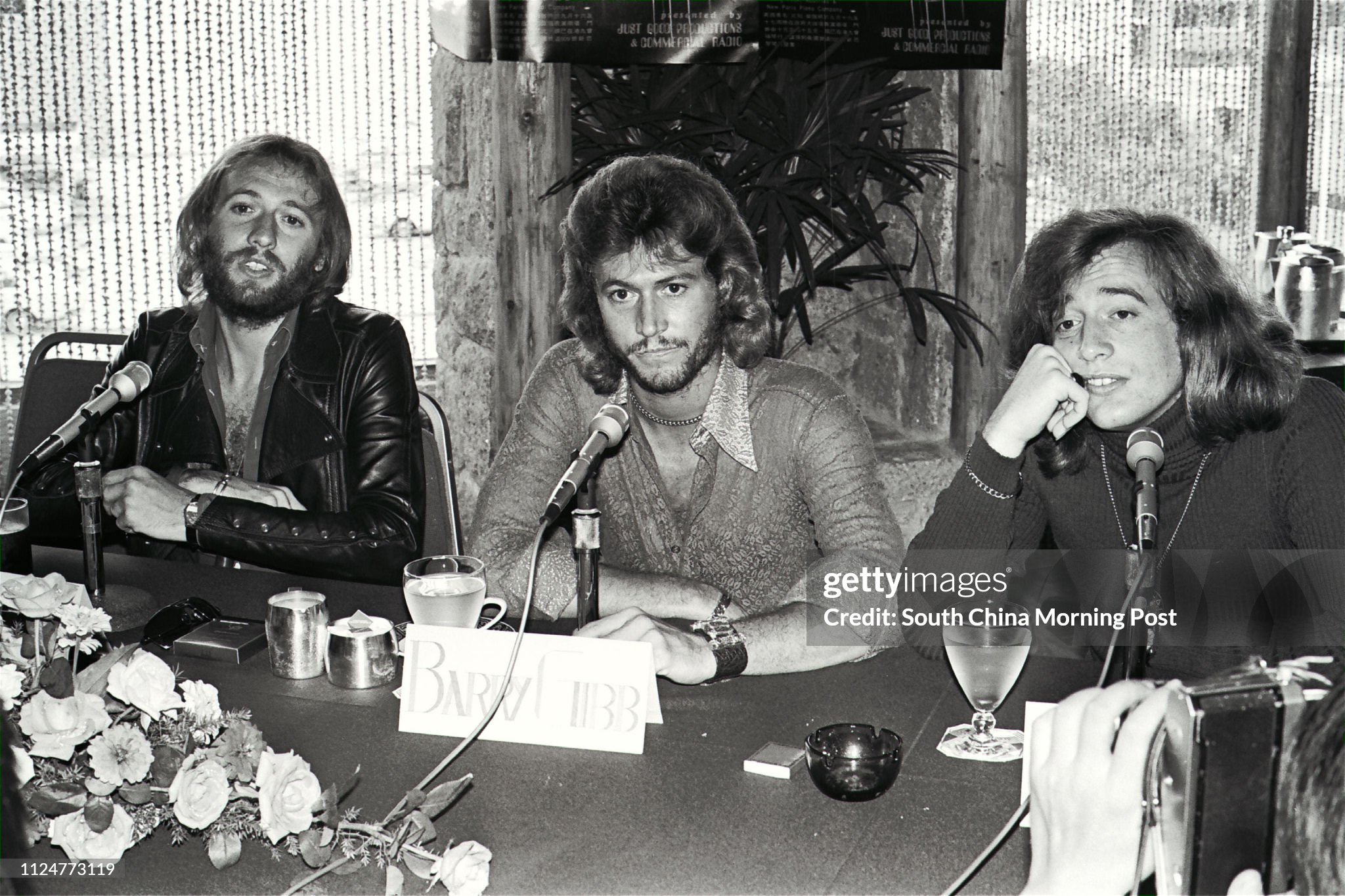
“Living Eyes” is the Bee Gees’ quiet after-the-storm ballad—three brothers stepping out of the disco glare and letting a bruised kind of devotion speak in plain light.
By late 1981, the Bee Gees were carrying a strange burden: they were still the Bee Gees, yet the world was suddenly treating their name like a punchline. Into that climate came “Living Eyes”, released in November 1981 as the second single and title track from the album Living Eyes (album released October 1981). The facts on paper are crisp—written by Barry, Robin, and Maurice Gibb, produced by the Bee Gees alongside Albhy Galuten and Karl Richardson, recorded February–June 1981—but the feeling behind the record is anything but tidy. It’s the sound of a band trying to be heard again as musicians, not as a cultural argument.
At release, “Living Eyes” didn’t climb like the Bee Gees hits of the previous decade. It peaked at No. 45 on the Billboard Hot 100, a symbolic chart moment: the end of their long Top 40 streak that had begun in the mid-’70s. Elsewhere, it fared better in pockets—No. 7 in Austria and No. 14 on Canada’s Adult Contemporary chart, for example—suggesting that the song’s appeal was real, just more selective in that era’s harsher air. And if the U.S. chart number looks modest, it’s worth remembering the headwind: the Living Eyes album era is widely documented as being shaped by lingering anti-disco backlash and weak label support, with radio resistance often aimed at the name rather than the music.
That context matters because “Living Eyes” is not a desperate reinvention. It’s a deliberate narrowing of focus. The album Living Eyes leaned into soft rock/art rock textures and largely pulled back from falsetto—a choice made in part to avoid being pigeonholed as a disco act. So when the title track begins—those soft synth colors under Barry’s vocal—it doesn’t feel like the Bee Gees “changing costumes.” It feels like them dimming the lights so you can see the face again.
And what a face it is. The song’s emotional power lies in its mature stillness. The very phrase “living eyes” suggests watchfulness: eyes that don’t merely look, but remember—eyes that stay awake after the conversation ends. In many Bee Gees ballads, the drama comes from the soaring harmony; here the drama comes from the sense of quiet surveillance, the feeling that love can be tender and yet slightly haunted. The arrangement supports that mood: a restrained, late-night band sound—piano, synth shading, tasteful guitars—built to hold the lyric rather than overwhelm it. The personnel list itself reads like a small meeting of studio elegance: Richard Tee on piano, Jeff Porcaro on drums, Ralph MacDonald on percussion, with Barry on lead and the brothers’ harmonies providing that unmistakable Bee Gees glow.
One detail that often surprises listeners is how the vocals are handled. On “Living Eyes,” Barry Gibb takes the lead, with Robin and Maurice credited as backing vocalists—no spotlight-sharing, no tug-of-war, just the sound of three voices locking in like they’ve done their whole lives. Even the promotional video concept—performing before an audience of children—feels like an intentional cleansing of the palette, as if to say: listen with fresh ears; forget the noise outside.
The “story behind” “Living Eyes” is therefore less a single dramatic incident than a whole season of recalibration. Living Eyes was their final studio album for RSO, and the period was complicated by industry instability and conflict around the Bee Gees’ label situation. That pressure seeps into the song’s atmosphere. Not in bitterness—Bee Gees music rarely turns cynical—but in the careful way it reaches for sincerity. You can hear a band trying to prove something simple: that the heart inside these harmonies is still beating.
That’s why the song’s meaning lands so strongly for listeners who return to it years later. “Living Eyes” isn’t begging for attention; it’s asking for recognition. It’s a ballad about love that has moved past fireworks into something more complicated: the awareness that affection can survive even when confidence doesn’t. In the early ’80s, when pop was beginning to favor sharper edges and louder gestures, the Bee Gees answered with soft insistence—a reminder that vulnerability can be a form of strength, and that the most lasting romances in music often arrive not as declarations, but as admissions.
If you play “Living Eyes” today, it can feel like opening a well-kept drawer and finding a letter that never tried to be famous. The ink hasn’t faded; it has only mellowed. And in that mellowing is the song’s quiet triumph: the Bee Gees, bruised by the era’s turning wheel, still trusting melody, still trusting harmony, still trusting that three brothers singing together can outlast whatever the world decides to misunderstand.