
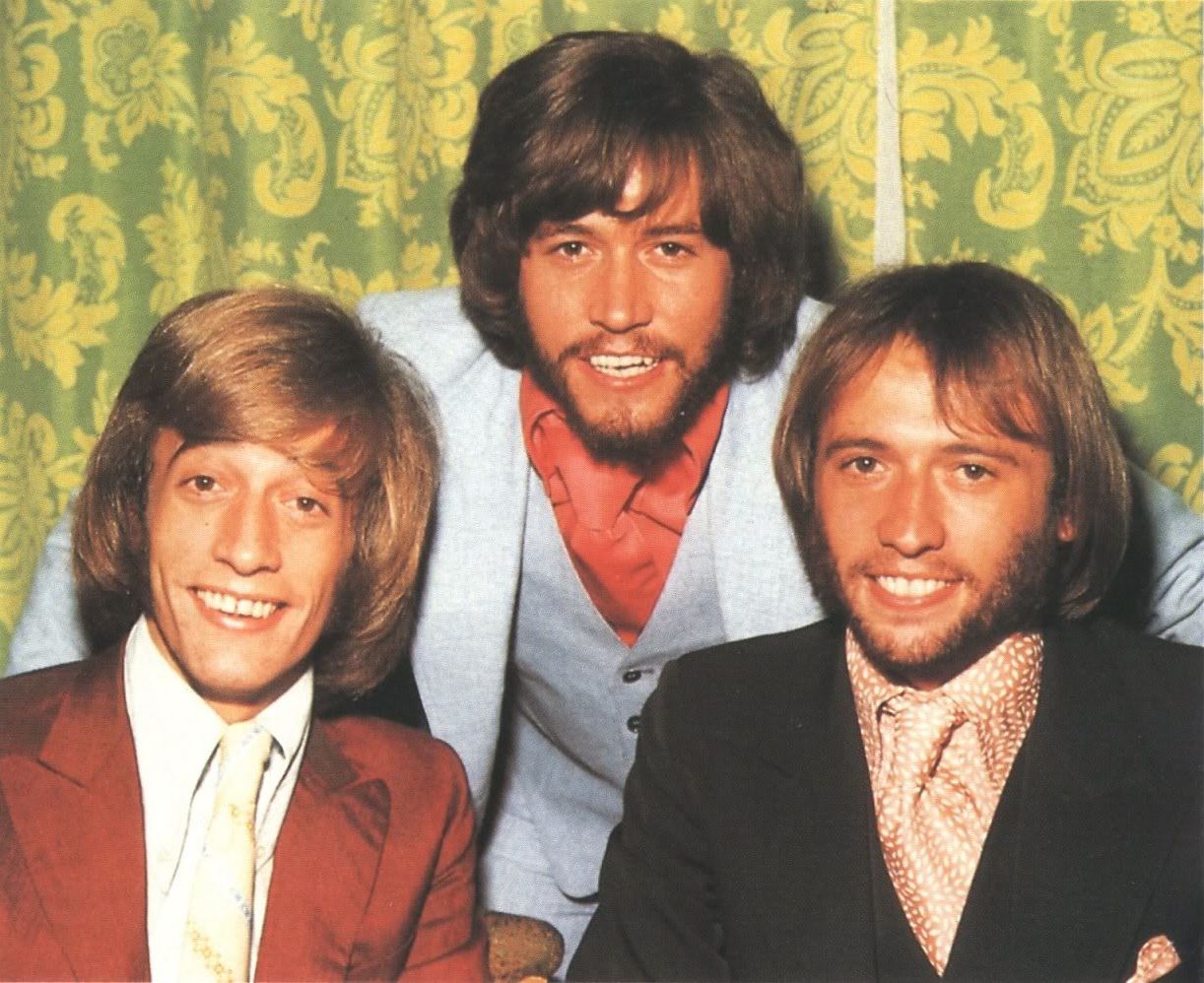
“Technicolor Dreams” is the Bee Gees looking back through a softly tinted lens—proof that even at the end of the road, memory can still sparkle like old cinema light.
There’s a particular kind of late-career grace when a great band stops trying to sound “current” and instead decides to sound true. “Technicolor Dreams” is exactly that moment for the Bee Gees—a gentle, elegant detour into nostalgia on their final studio album, This Is Where I Came In, released 2 April 2001.
It’s worth placing the most important chart facts right here at the top, because they underline how present the Bee Gees still were in 2001. This Is Where I Came In reached No. 6 on the UK Official Albums Chart (first chart date 14/04/2001) and debuted at No. 16 on the Billboard 200 in the United States (chart date May 12, 2001). Those aren’t “legacy” numbers; they’re living numbers—listeners showing up in real time to hear what three brothers still had to say.
And what Barry Gibb chose to say with “Technicolor Dreams” is quietly fascinating. Even in album notes, it’s singled out as an exception—an homage to a typical 1930s Tin Pan Alley melody, a deliberate bow toward an older songwriting tradition. In an era when pop was sprinting toward sleek digital minimalism, the Bee Gees—masters of reinvention—briefly step backward into a world of show-tune warmth, where melody is king and sentiment isn’t embarrassed to wear a tie.
That stylistic choice becomes even more touching when you remember where the album sits in the Bee Gees story. This Is Where I Came In is their final studio album, released less than two years before Maurice Gibb’s death in 2003. Knowing that, “Technicolor Dreams” feels like more than a clever pastiche. It feels like an artist pausing, turning around, and looking lovingly at the long corridor of music that raised him—Broadway shadows, pre-rock pop craftsmanship, the old idea that a song could be both simple and sophisticated.
Musically, the track’s colors are not accidental. Discographical credits for the album list clarinet on “Technicolor Dreams”—a wonderfully old-world touch that instantly evokes dance halls, bandstands, and those pre-television nights when romance felt handwritten. The clarinet is a small detail, but it changes the emotional temperature: it doesn’t “rock,” it glows. It suggests a room with soft corners, where time slows down and the past becomes almost reachable.
The “behind the curtain” story of the album adds another layer. The Bee Gees saw This Is Where I Came In as both a return to their original formula and a new beginning, and they even went out to promote it—appearing on A&E’s Live by Request in April 2001. Yet “Technicolor Dreams” isn’t about beginnings in the youthful sense. It’s about the bittersweet kind of beginning you only understand later: the moment you realize that what you’ve been chasing forward is often something you already had behind you—innocence, wonder, the feeling that the world might still be painted in brighter colors than it truly is.
And that’s the meaning that lingers. “Technicolor Dreams” doesn’t shout its philosophy. It doesn’t need to. Its very style is the message: the belief that beauty—old-fashioned, carefully arranged, unapologetically melodic beauty—still matters. In the Bee Gees’ hands, nostalgia is not escapism; it’s a kind of reverence. It says: we remember where songs came from, and we’re grateful.
Placed within an album that performed strongly—UK No. 6, US Billboard 200 No. 16—this track becomes a small but radiant statement: late in the story, with decades behind them, the Bee Gees still had the courage to be tender, to be wistful, to be almost formal in their romance with melody.
So when “Technicolor Dreams” plays, let it play like an old film reel—slightly softened at the edges, shimmering in the light. Some songs are meant to be “important.” This one is meant to be remembered.