
A Solitary Heartbeat in the Soft Glow of Lost Love
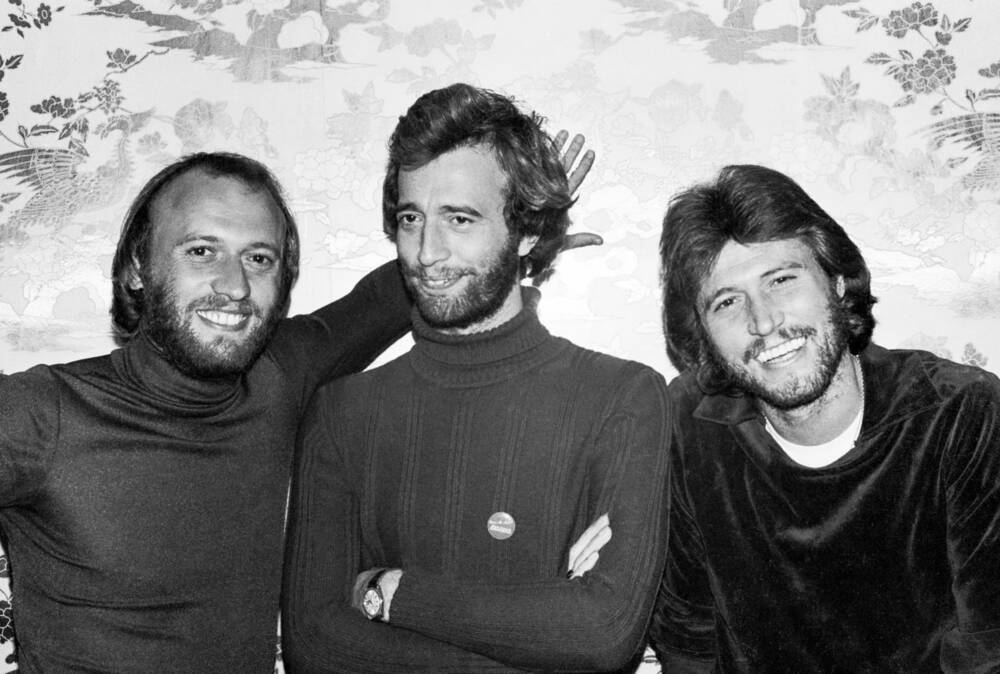
When The Bee Gees released “My World” in January 1972, the song stood as both a bridge and a turning point in their evolution. Issued as a non-album single following the success of “How Can You Mend a Broken Heart”, it later appeared on compilation records like Best of Bee Gees, Volume 2. Upon release, “My World” climbed into the Top 20 in several countries, including reaching the Top 20 on the UK Singles Chart and securing a presence on the Billboard Hot 100 in the United States. It was a time when the Gibb brothers—Barry, Robin, and Maurice—were moving beyond their late‑’60s baroque pop sound toward a warmer, more introspective soulfulness that presaged their later dominance of the disco era. Yet here, in this brief and haunting track, we find none of disco’s glitter—only melancholy shadows illuminated by the tender glow of regret.
Written by Barry and Robin Gibb during a television appearance taping at London Weekend Television’s studios, “My World” emerged from an atmosphere of exhaustion and reflection. The brothers were veterans already, still young but weathered by fame’s early crest and the internal tensions that had briefly fractured them. The song bears that weight—the sense of reconciliation after discord, yet with an emotional fragility that feels perpetually on the verge of breaking again. Its melody drifts gently but insistently, built around harmonies that seem to sigh more than sing. The arrangement is sparse: piano chords pulse softly beneath strings that shimmer like distant memories. Nothing overwhelms; everything aches in restraint.
Lyrically, “My World” is one of The Bee Gees’ most intimate meditations on solitude and emotional dislocation. It tells of someone who has constructed a private realm—his “world”—out of longing for another person who no longer inhabits it. What makes it so devastating is not grand drama but quiet repetition: the cyclical return to familiar emotional terrain, as though the singer keeps circling around a memory he cannot release. In that repetition lies the essence of heartbreak—the futile act of revisiting what cannot be changed.
The power of “My World” lies in its simplicity. This was never meant to dazzle; it was meant to linger. The brothers’ harmonies fold into one another with such intimacy that they blur individuality—a sonic metaphor for love’s dissolution into shared sorrow. Listening now, one hears not only a moment in pop history but a confession suspended in amber: three voices tracing the contour of loss with tenderness instead of despair. It is a song that doesn’t demand attention; it simply waits for you to remember your own version of its story—and when you do, you find yourself already inside it.