
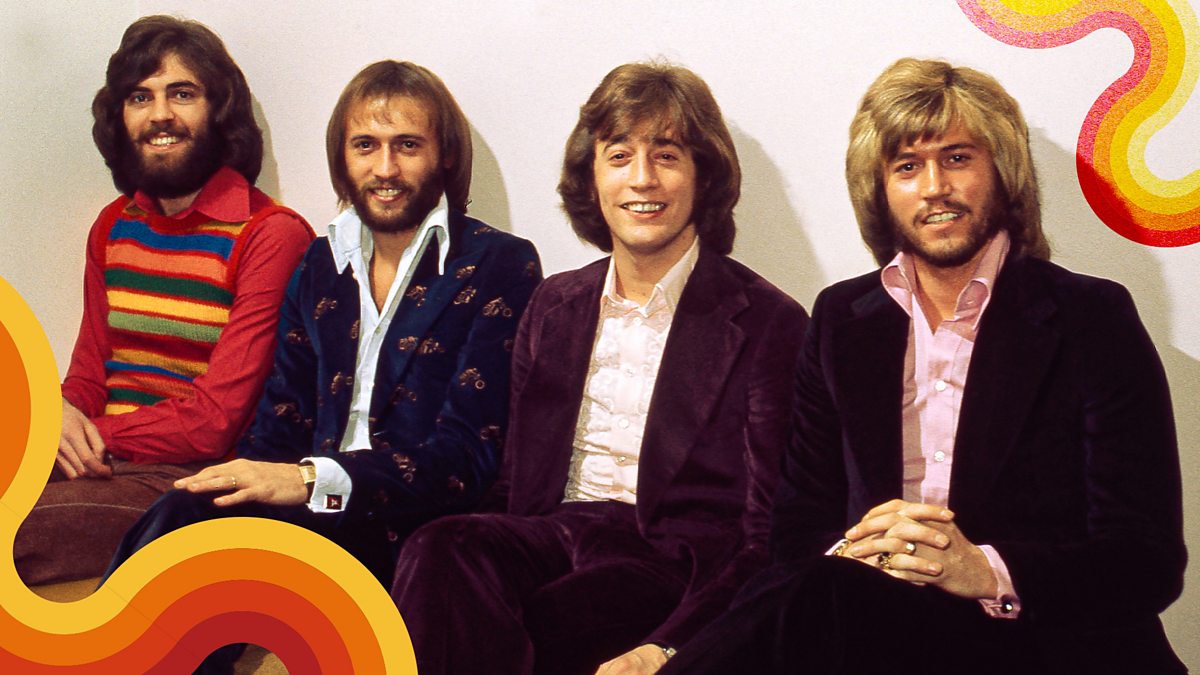
Before “One” became the headline of the Bee Gees comeback, “Ordinary Lives” quietly carried its deepest truth: even legends return to the same human longings as everyone else.
When “Ordinary Lives” arrived in 1989 as the opening statement from the Bee Gees album One, it did not become the biggest hit of their late-career revival. In chart terms, it was modest: the single reached No. 16 in the UK and No. 54 on the Billboard Hot 100 in the United States. Yet history is not always written by the highest-charting song. Sometimes the song that matters most is the one that explains the whole emotional landscape, and in that sense “Ordinary Lives” may be the true heart of One. Long before the title track “One” rose to No. 7 in America and reminded the public just how powerful the brothers still were, “Ordinary Lives” had already told us what kind of comeback this would be: not flashy, not desperate, but deeply human.
That is what makes the song so moving in hindsight. By 1989, the Bee Gees were in a curious position. They were never forgotten, of course. Their songwriting reputation was far too strong for that, and the shadow of the late 1970s was still enormous. But public memory can be unfair. Many listeners still reduced them to the era of white suits, falsetto hooks, and disco dominance, as if that one chapter could explain everything. The brothers themselves had always been more than a trend. They were craftsmen, melodists, harmony architects, and emotional writers of rare precision. With One, they did not simply return to the charts. They returned with perspective.
“Ordinary Lives” is where that perspective becomes unmistakable. Even the title feels revealing. It is almost ironic coming from artists whose lives had been lived in public for decades. But that irony is exactly the point. The song reaches toward something fame can never fully replace: the dignity of common experience, the fragile routines of love, disappointment, endurance, and hope. There is a mature ache in the writing, a sense that success has not erased confusion, and that the heart remains vulnerable no matter how extraordinary the outside world may appear.
Musically, the track belongs to its time, with the sleek late-1980s production, crisp drums, layered keyboards, and that unmistakable Bee Gees sense of arrangement. But beneath the surface polish is a song of real emotional gravity. Barry’s voice carries a weathered resolve, Robin brings the inward ache only he could summon, and Maurice, as so often, helps hold the emotional center together. Their harmonies do not merely decorate the song; they deepen its meaning. This is not youthful longing sung in bright colors. It is adult reflection, sung by men who had lived enough to understand that the ordinary moments are often the ones that leave the deepest mark.
There is also something especially fitting about “Ordinary Lives” opening the album One. The record itself marked an important chapter in the group’s late-1980s renewal. If the title track “One” would become the obvious commercial centerpiece, then “Ordinary Lives” was the moral and emotional preface. It introduced an album concerned with connection, loss, endurance, and the quiet effort of holding on. In other words, it set the spiritual tone before the bigger single delivered the chart breakthrough.
That is why the song deserves more attention than it usually receives. It may not be the first title casual listeners mention when recalling the Bee Gees, but it rewards anyone willing to listen past the familiar headlines. There is no need for spectacle here. The song’s power lies in recognition. It speaks to that moment when a person looks back on ambition, romance, old victories, old mistakes, and realizes that the deepest desires were never grand at all. To be understood. To remain connected. To find grace in everyday life. Those are not small themes. They are lasting ones.
In a way, “Ordinary Lives” also reflects the larger story of the Bee Gees themselves. Their career was full of reinvention, misunderstanding, rediscovery, and astonishing resilience. They had known adoration on a global scale, and they had known periods when fashion turned elsewhere. But songs like this remind us that what endured was never just the image. It was the writing. It was the feeling. It was the ability to take private emotions and turn them into melodies that linger for years.
So while “One” may be remembered as the comeback banner, “Ordinary Lives” feels like the confession hidden inside it. It is the song that strips away mythology and leaves the brothers standing where all great songwriters eventually stand: close to ordinary feeling, close to memory, close to the truths that do not age. And perhaps that is why it still resonates. Not because it shouted the loudest, but because it understood something quieter and far more enduring.
For listeners who return to the album now, that quiet truth is impossible to miss. “Ordinary Lives” is not merely the opening track to One. It is the emotional key that unlocks the whole record, and one of the most revealing late-period performances the Bee Gees ever put on tape.