
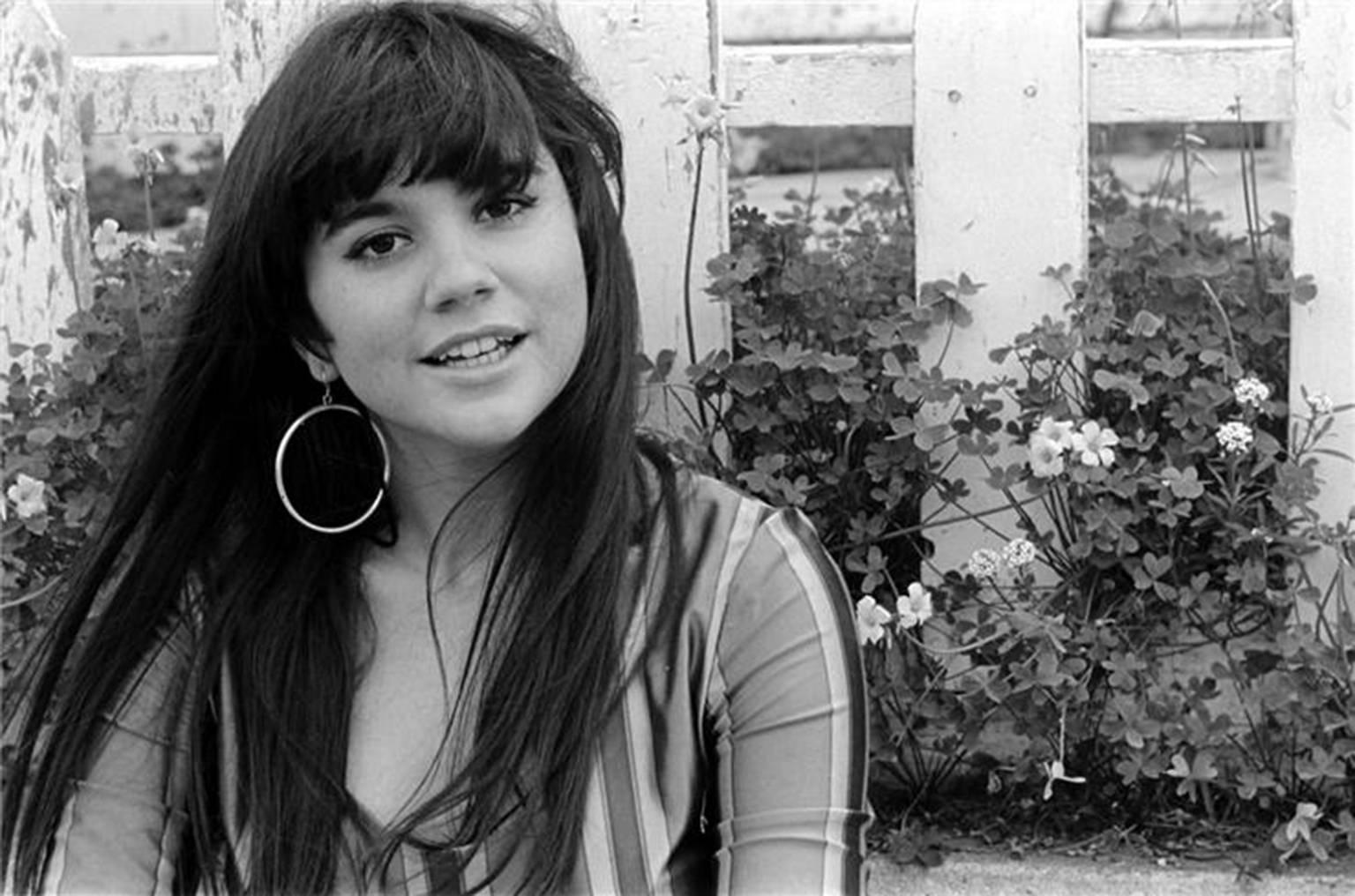
Mad Love is Linda Ronstadt choosing reinvention over comfort—proof that even at the height of fame, a restless heart will still chase a sharper truth.
February 26, 1980 is the date Linda Ronstadt released Mad Love—and by the time it hit the Billboard 200 (chart date March 15, 1980), it arrived like a bright splash of cold water: debut position No. 5, then climbing to a peak of No. 3. That Top 5 debut was widely noted as a record-setting moment at the time—a first for a female artist to enter the albums chart that high in its first week.
And what made that entrance feel so electric wasn’t only the number. It was the sound—a deliberate step away from the warm, familiar California ease people expected from her. Mad Love was produced by Peter Asher, recorded at Record One in Los Angeles between October 24, 1979 and January 10, 1980, and framed as rock with a bold new wave edge. In a career built on immaculate singing, this album dared to be wirier, tighter, more nervous—like neon buzzing over a late-night street rather than sunset over the Pacific.
That risk paid off quickly, and the chart trail tells the story like footprints in wet cement. The advance single “How Do I Make You” debuted on the Billboard Hot 100 at No. 68 (chart date February 2, 1980) and ultimately reached No. 10. Then came the dramatic, breath-held remake of “Hurt So Bad”—debuting at No. 46 (chart date April 12, 1980) and peaking at No. 8. Two Top 10 hits, but with a different kind of electricity running through them: less open-road romance, more heartbeat-and-brakes.
The deeper story behind Mad Love is a story about artistic hunger. Ronstadt could have repeated the winning formula—those big, sunlit choruses that felt like they belonged on every car radio and every kitchen speaker. Instead, she went looking for something pricklier. The album pulls in three songs by Elvis Costello—“Party Girl,” “Girls Talk,” and “Talking in the Dark”—and also leans hard into the lean, nervous energy of The Cretones’ writing and feel. The title track “Mad Love” itself is written by Mark Goldenberg, who also plays guitar here, helping give the record its taut, punchy spine. And then, almost like a shadow crossing the frame, there’s Neil Young’s “Look Out for My Love”—a reminder that the late ’70s and early ’80s weren’t only about shiny new styles, but about older voices learning how to sound dangerous again.
What’s so moving, in hindsight, is the emotional logic of it all. The phrase “mad love” isn’t just a flashy title—it’s a diagnosis. It suggests a love that isn’t polite, isn’t convenient, and certainly isn’t safe. The album feels like Ronstadt stepping into that kind of feeling on purpose: letting songs jitter, letting guitars cut rather than soothe, letting desire sound a little impatient. Even when she’s not singing about love directly, the record is in love with motion—with risk, with staying alive as an artist.
Commercially, the public met her halfway. Mad Love became her seventh consecutive platinum album in the U.S. (RIAA Platinum, 1,000,000 units). And in a detail that says as much about her era as about her talent, the album’s success helped her press forward into projects the industry once considered “too risky”—the sort of artistic side-roads that later look, in retrospect, like the real point of being famous in the first place: the freedom to follow your curiosity.
Listening now, Linda Ronstadt on Mad Love sounds almost paradoxically younger—because she’s braver. Not younger in years, but younger in spirit: willing to cut her hair, change the frame, and walk into a room where approval isn’t guaranteed. And for anyone who’s ever watched time pass and wondered when the world got so settled, so predictable, this album offers a small, thrilling comfort: the best voices don’t simply endure. They move. They take the long way into the future—sharp edges and all.