
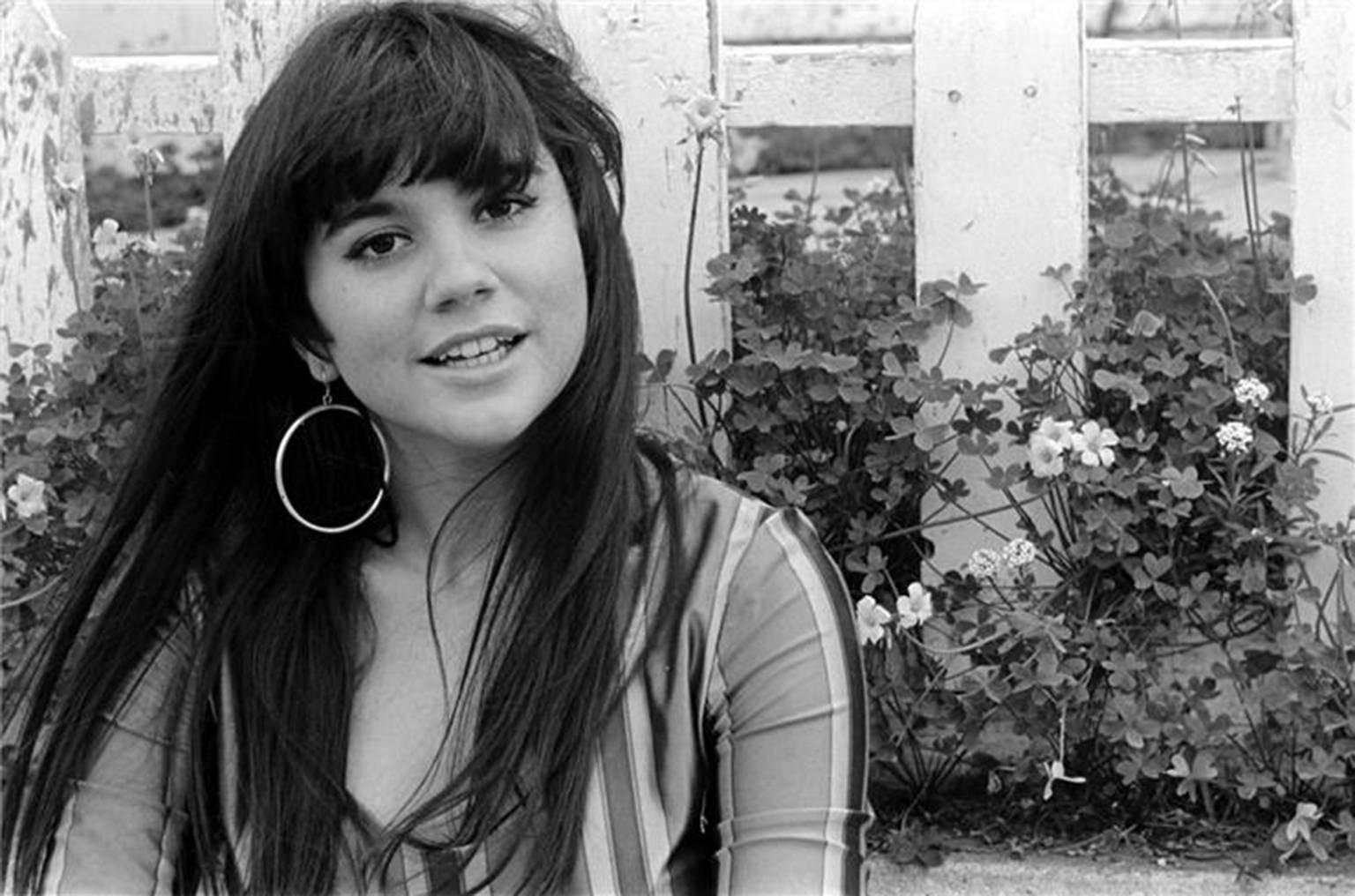
“When Will I Be Loved” on The Midnight Special is a bright, defiant ache—Linda Ronstadt turning an old heartbreak question into a vow to keep standing, keep singing, and keep believing in love.
On January 17, 1975, Linda Ronstadt walked onto The Midnight Special and delivered “When Will I Be Loved” with the kind of confidence that doesn’t need theatrics. The date matters because it catches the song at a deliciously charged moment: the performance arrives before her version’s big spring-and-summer chart rise, while the record itself—already living on Heart Like a Wheel—was starting to feel like a turning point in American pop and country-rock. In other words, this wasn’t a “victory lap.” It was the sound of an artist stepping into the spotlight and making a classic line feel newly personal.
When the single momentum did fully bloom, it was undeniable. Billboard’s own chart history for Ronstadt shows “When Will I Be Loved” entering the Hot 100 dated April 12, 1975, then climbing to a No. 2 peak, spending 12 weeks on the chart, with its high point dated June 21, 1975. It also crossed borders between formats with uncommon ease—Billboard has noted it topped the Country Songs chart in 1975, a rare kind of validation for a record that also belonged to rock radio and pop bedrooms at the same time. And in the parallel universe of Cash Box, it even reached No. 1—proof that her version wasn’t merely “successful,” it was wanted.
Yet the sweetest irony is that the song is far older than Ronstadt’s era. “When Will I Be Loved” was written by Phil Everly and first released by The Everly Brothers in May 1960—a brisk little heartbreak jewel that asked its question with teenage directness. Ronstadt’s genius was to take that youthful plea and let it mature. She didn’t slow it down into despair; she kept it up-tempo, country-rock, alive with momentum—like someone refusing to let disappointment have the last word.
That’s why the Midnight Special performance feels so electric: the song becomes not merely a question, but a stance. The camera-era intimacy of the show—late-night television where faces and voices feel closer than they do in stadium footage—lets you see what Ronstadt always did so well: she sings heartbreak without collapsing into it. The lyric asks “when,” but her delivery implies “I’m still here.” It’s the difference between pleading and claiming. Even if love hasn’t arrived on schedule, she hasn’t surrendered the right to want it.
The track’s studio home reinforces that sense of arrival. Ronstadt recorded her version for Heart Like a Wheel, released November 19, 1974, produced by Peter Asher—an album that would become her breakthrough commercial and artistic statement. And there’s a detail that deepens the human warmth of the recording: the song is described as a group vocal, with Ronstadt joined by Kenny Edwards and Andrew Gold—harmonies that make the longing feel communal rather than lonely, like friends standing behind you when your heart is tired.
The January 17, 1975 broadcast also places “When Will I Be Loved” in a telling neighborhood of songs. The episode listing shows Ronstadt performing “When Will I Be Loved,” “Willin’,” and “You’re No Good”—a trio that sketches her range in real time: yearning, road-worn tenderness, and sharp-edged resolve. To hear “When Will I Be Loved” in that company is to understand why the song didn’t just chart—it stuck. It’s pop craftsmanship, yes, but it’s also emotional architecture: a melody that lifts, a chorus that lands cleanly, and a lyric that says what so many people have thought at 2 a.m. without ever finding the courage to say aloud.
And what is the deeper meaning, really? It’s not simply about being let down. It’s about the quiet fear that love might keep choosing other people—and the quieter bravery of continuing to believe anyway. Ronstadt doesn’t sing like she’s asking permission to be loved. She sings like she’s stating a fact: love is something she deserves, and she won’t apologize for wanting it.
That is why this performance endures as more than a vintage clip. “When Will I Be Loved” (Live on The Midnight Special, January 17, 1975) captures Linda Ronstadt in that luminous space between uncertainty and destiny—when the question still hangs in the air, but the voice asking it already sounds like the answer.