
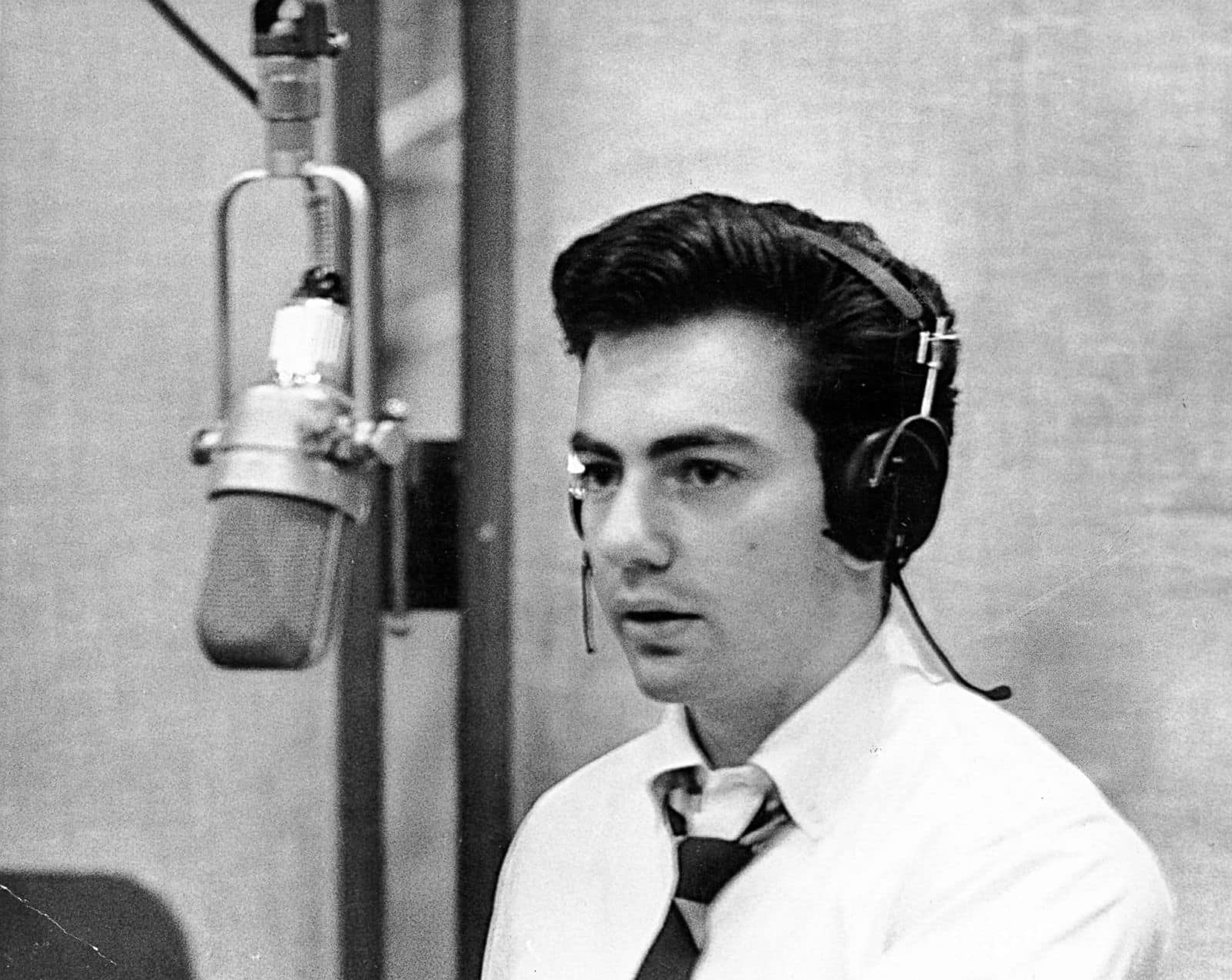
“I’m On to You” is Neil Diamond drawing a calm, hard line in the sand—an older heart finally recognizing the pattern, and choosing self-respect over one more round of beautiful excuses.
In the long, winding story of Neil Diamond, “I’m On to You” feels like a late-night lamp clicked on in a familiar room. Not the spotlight, not the stadium roar—just a steady light that reveals what was always there. The song appears on 12 Songs (released November 8, 2005) as track 7, running 4:27, and it arrives with the unmistakable fingerprints of producer Rick Rubin—a partnership that reshaped Diamond’s sound by stripping away the ornate framing and letting the songwriter stand in plain view.
If you want the chart “first footprint” at the moment of release, the story belongs to the album. 12 Songs didn’t creep in quietly; it walked straight into the room. Billboard’s own chart listing shows 12 Songs debuting at No. 4 on the Billboard 200, with a debut chart date of November 26, 2005—a remarkable late-career statement and one of Diamond’s strongest album arrivals in decades. And while “I’m On to You” was not positioned as a major Hot 100 single, it became something arguably more enduring: a deep-cut favorite from an album many listeners and critics singled out as a creative reawakening.
The backstory reads like a quiet fable about starting over. After touring behind Three Chord Opera, Diamond began writing new material in a Colorado cabin—snowed in, time slowed down, and the noise of expectation muted enough for new songs to appear. Then came Rick Rubin, fresh off his era-defining work with Johnny Cash, meeting Diamond not as a “legacy act” but as a songwriter still capable of surprise. Rubin encouraged him to keep writing, to chase what felt true rather than what felt fashionable, and—crucially—to play guitar himself, leaning into the raw immediacy of his earlier work. The sessions even carried a poignant footnote: they included what Wikipedia notes as the last recorded performance by organist Billy Preston.
All of that context matters when you listen to “I’m On to You.” This isn’t Diamond trying to sound young; it’s Diamond sounding awake. The title alone is a small drama: not “I still love you,” not “please come back,” but I see you. I understand what you’ve been doing. The lyric, as preserved in widely available song listings, opens with a blunt reckoning—“Lie no more…”—and the tone stays there: firm, measured, almost weary in the way truth can be weary when you’ve had to learn it more than once.
What makes the song quietly thrilling is how it balances steel and swing. There’s a faint glint of the old Diamond—rhythmic, playful, capable of a sly grin—yet the emotional posture is different. This is a narrator who has stopped negotiating with his own denial. The line “Baby, I’m movin’ on” doesn’t sound like a tantrum. It sounds like a decision reached after a long internal debate finally ends.
In a way, “I’m On to You” is the spiritual opposite of the classic Diamond romantic monoliths—those songs that build love into a cathedral and dare anyone to doubt it. Here, love is not a cathedral; it’s a room with a door, and he’s deciding whether to walk through it. He doesn’t demonize the other person; he simply refuses to be fooled. That’s what gives the song its mature sting: it treats clarity as a kind of mercy. Sometimes the kindest thing you can do for your own heart is to stop calling the same wound “fate.”
And that’s why “I’m On to You” belongs so perfectly to 12 Songs. The album’s whole aesthetic—Rubin’s uncluttered production, Diamond’s directness, the sense of a master craftsman returning to the workbench—makes this track feel like a private, necessary turning point. Not a grand goodbye. Not a victory dance. Just the sound of Neil Diamond recognizing the score, naming it without flinching, and finally choosing the dignity of walking away.