
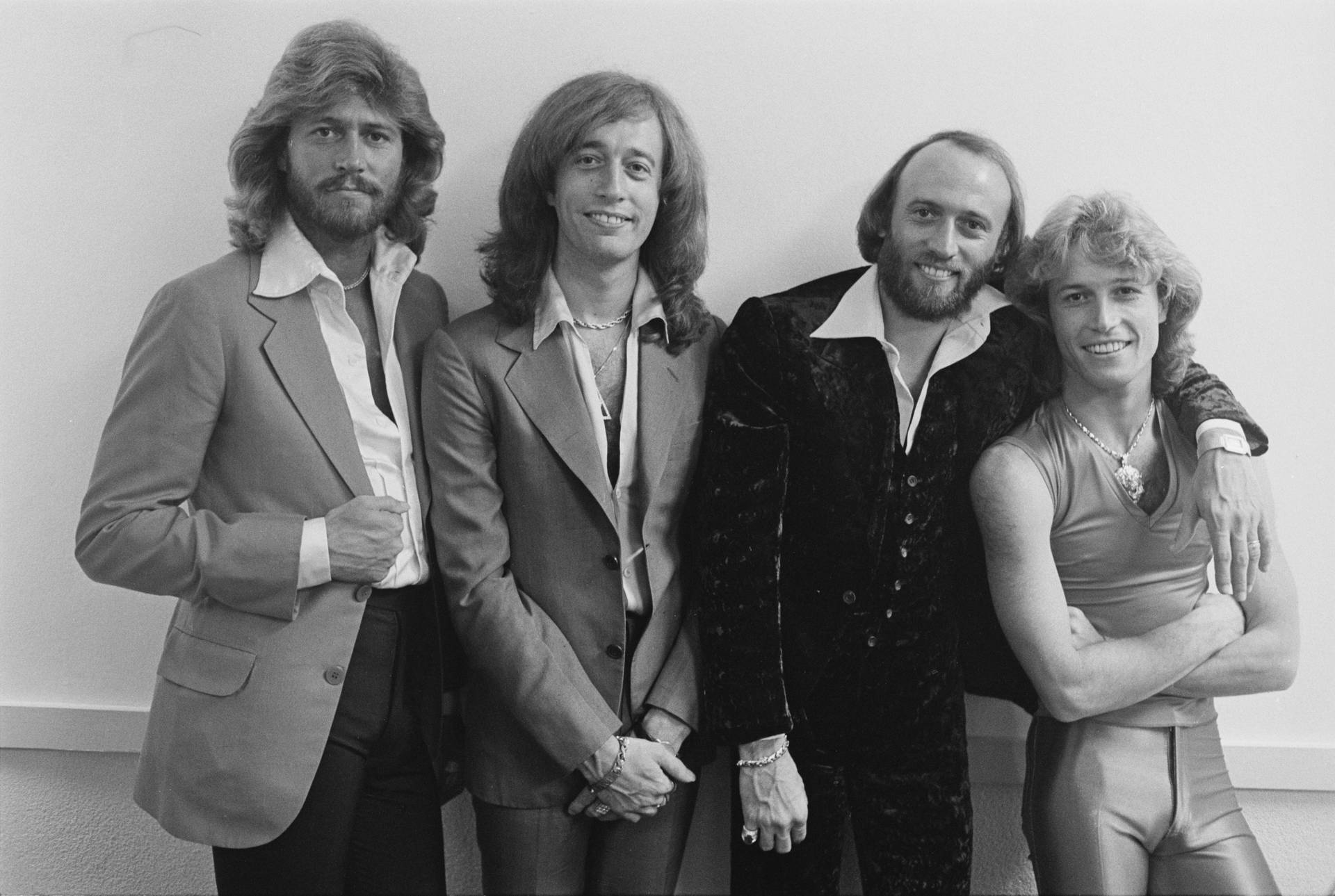
“Alone” is not about disco, and it is not about nostalgia. It is the Bee Gees doing what they always did at their deepest level: turning loneliness into melody so beautiful, so bruised, and so unforgettable that it lingers long after the song is over.
There is a certain kind of Bee Gees song that never really leaves the bloodstream once it gets in. Not because it shouts, not because it belongs to some giant cultural moment, but because it understands the old, difficult art of emotional afterglow. “Alone” is one of those songs. Released on 17 February 1997 as the lead single from Still Waters, it arrived not as a disco throwback, not as a self-conscious comeback gimmick, but as proof that the Bee Gees still knew exactly how to make heartbreak shimmer. The single reached No. 5 in the UK and No. 28 on the Billboard Hot 100, becoming the group’s 30th and final U.S. Top 40 hit. That alone gives it a special kind of poignancy in hindsight. This was not merely another late-career release. It was the last time the American Top 40 opened its doors to them as hitmakers.
What makes “Alone” so powerful is that it refuses easy categories. It does not belong to the glittering mythology of “Stayin’ Alive” or “Night Fever.” It is not sustained by nostalgia for the 1970s, either. In fact, that is exactly why the song has aged so well. “Alone” stands on something deeper than period style: melody, atmosphere, and the Bee Gees’ almost unmatched instinct for turning isolation into sound. The song opens Still Waters, their 21st studio album, released in the UK on 10 March 1997, and that album itself reached No. 2 on the UK Albums Chart. This was not a museum-piece return. It was a serious late-period statement from a group still writing, still shaping records, still refusing to be reduced to the decade most people remembered first.
The writing matters here. “Alone” was written by Barry, Robin, and Maurice Gibb, and you can hear all the old Bee Gees strengths in it, only sharpened by age. There is grandeur in the melody, but also ache. There is polish in the arrangement, but never emptiness. Barry and Robin alternate lead vocals, and that vocal handoff is one of the song’s quiet masterstrokes: loneliness does not feel fixed in one person, but passed between voices, multiplied, deepened. Rather than using falsetto for flash, they use it like light falling across a bruise. That is a very Bee Gees gift — making a song sound elegant while letting the hurt remain plainly visible beneath the elegance.
And that may be why “Alone” is so hard to shake. It is not built on a giant slogan. It is built on emotional weather. The title is plain, almost bare, but that plainness is deceptive. In the hands of lesser writers, “alone” would simply be a condition. In the hands of the Bee Gees, it becomes a landscape: midnight, distance, smoke, memory, and the strange emptiness that can exist even when the song itself is lush and full. That contradiction is part of the record’s seduction. It sounds rich, but it is about absence. It sounds smooth, but it leaves a mark. That is why it lingers more like a wound than a hook.
There is also something deeply moving about where the song sits in the Bee Gees story. By 1997, they had already lived several artistic lives: 1960s chamber-pop dramatists, 1970s architects of pop-R&B reinvention, global disco kings, and then elder statesmen of songcraft. “Alone” does not try to compete with any one of those identities. It simply reminds you that beneath all the changing eras, the real constant was always the writing. A British review at the time called the song “instantly familiar,” and that phrase is exactly right. Not familiar because it repeats the past, but familiar because it taps directly into the emotional architecture the Bee Gees had mastered decades earlier.
If anything, the song’s late arrival makes it hit harder. Many bands return after their imperial years sounding either desperate for relevance or overly respectful of their own legend. “Alone” sounds like neither. It sounds natural. It sounds earned. It sounds like three brothers who still understood how to write the kind of melody that settles in the heart before the mind has fully explained why. That is no small achievement. Plenty of acts survive into a later era. Very few still produce a song that feels this complete, this emotionally exact, this impossible to forget.
So no — “Alone” is not disco, and it is not nostalgia. It is something better. It is the Bee Gees doing what they did best: taking loneliness, wrapping it in beauty, and sending it back into the world with enough grace to break your heart all over again. That is why the song remains so addictive. Not because it reminds us of what they were, but because it proves what they still were in 1997: masters of melody, masters of ache, and masters of the kind of song that keeps echoing after silence should have taken it.