
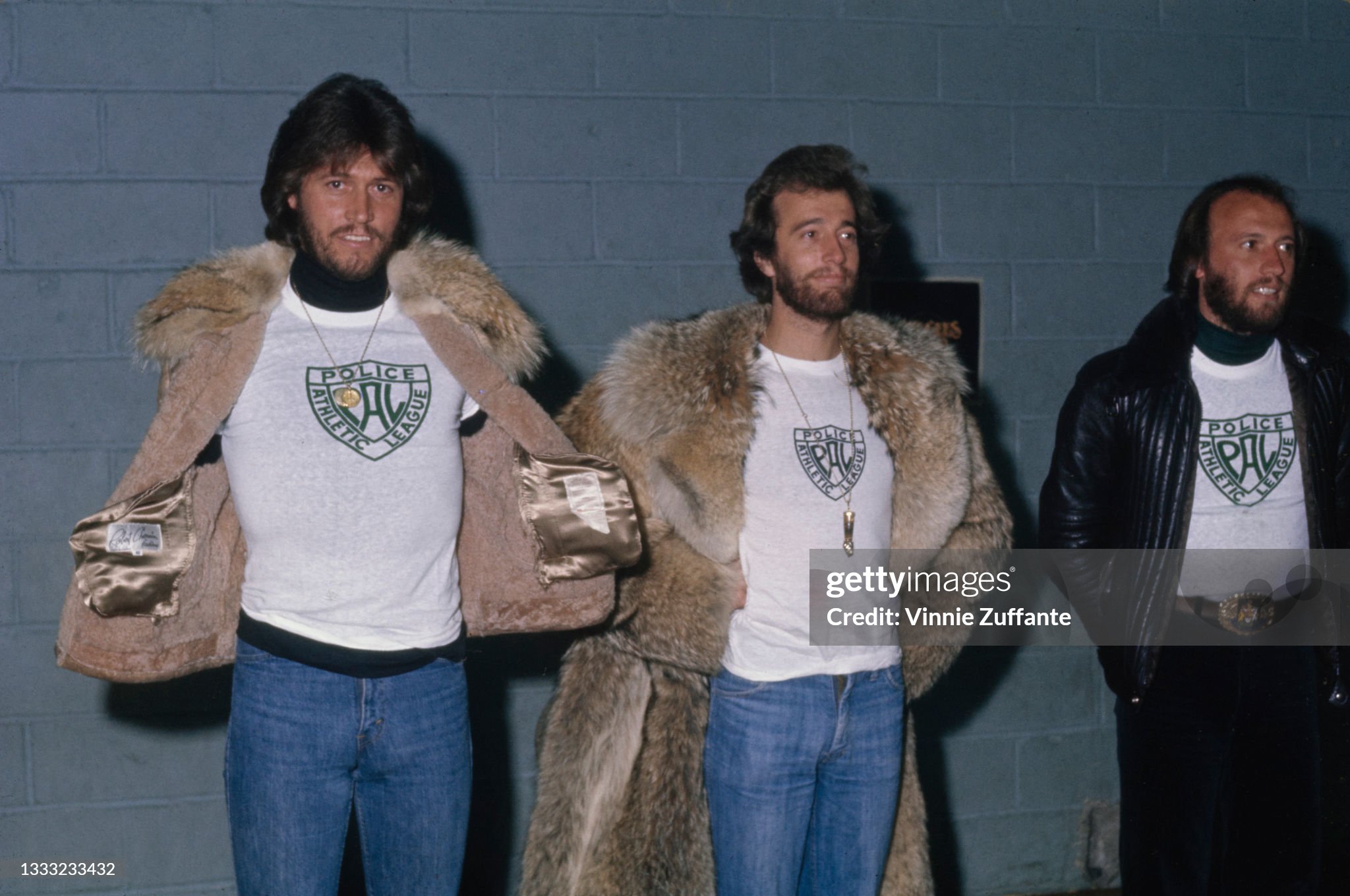
In “Wish You Were Here,” the Bee Gees do not sing grief as something already healed. They sing it as presence turned absence so suddenly, so intimately, that even the melody feels like it is trying not to break.
There are songs about missing someone, and then there are songs that feel as if they should never have had to be written at all. “Wish You Were Here” belongs to that second, sadder kind. It appeared on the Bee Gees’ 1989 album One, a record shaped in the shadow of devastating family loss. The album itself was dedicated to Andy Gibb, and “Wish You Were Here” was written as a tribute to him after his death in March 1988. That one fact changes everything about the song. It is not simply a beautifully sad ballad placed on a later Bee Gees album. It is grief made personal, grief kept close, grief sung by brothers who were not imagining absence in the abstract but living inside it.
That is why the song still feels almost too personal to hear.
Because the Bee Gees had always known how to write longing, regret, tenderness, and romantic vulnerability. But “Wish You Were Here” is not romantic sorrow. It carries a different weight. It sounds like people trying to make sense of a silence that should not be there. Andy Gibb died on March 10, 1988, just five days after turning thirty. He was not some distant figure in the Bee Gees story. He was their younger brother, deeply bound to them in music and family history, and his death changed the emotional climate around the group’s next record. The history of One makes that explicit: the album was marked by a more melancholic mood because of Andy’s death, and the song itself was written in tribute to him.
And that is the warm, painful core of the story.
Not scandal. Not industry drama.
Simply this: they lost their brother, and they answered that loss with a song.
What makes “Wish You Were Here” so heartbreaking is that it never sounds theatrical about that pain. The Bee Gees were capable of grandeur, certainly. They had written some of pop’s most sweeping and unforgettable melodies. But here they keep the feeling close to the chest. The title itself is plain, almost unbearably plain. Wish you were here—there is no cleverness in it, no shield, no poetic distance. Just the most human sentence grief can produce when explanation has already failed. That simplicity is what makes the song so difficult to shake. It feels like something said in a room after everyone else has gone quiet.
The album context deepens that ache. One was released in 1989 and became the Bee Gees’ return to the charts after a difficult early-1980s period. It reached No. 29 in the UK and No. 68 on the U.S. Billboard 200. Yet for all the album’s role in their commercial return, “Wish You Were Here” remains its emotional center. The record may have signaled survival, but this song reminds you what survival cost.
That is why the grief in the song never really seems to leave. It is not presented as a lesson learned or a wound neatly transformed into wisdom. It stays raw in a quieter way. The Bee Gees do not ask the listener to admire their sorrow. They simply let it exist. And because they do, the song feels almost intrusive to hear, as though one were overhearing something meant first for family, and only second for the world.
There is also something especially moving in the timing. Andy Gibb had been the dazzling younger brother, the golden-haired star of the late 1970s, the one whose own rise had been entwined with the Bee Gees’ creative world from the beginning. To hear his brothers sing “Wish You Were Here” after that is to hear not just mourning, but memory pressing against disbelief. The song does not merely say we miss you. It seems to say you were just here, and now you are not, and nothing about that feels natural.
And perhaps that is the deepest reason it still lands so hard now. Many sad songs comfort us by shaping pain into something larger and more beautiful than life. “Wish You Were Here” does something riskier. It leaves the pain recognizably human. It lets grief remain unfinished. The melody is lovely, yes, but the loveliness does not soften the blow. It only makes the absence more vivid.
So yes, the grief never really leaves. In “Wish You Were Here,” the Bee Gees captured something that goes beyond ordinary sadness: the private devastation of family loss, spoken in the plainest possible language and therefore made even more unbearable. Decades later, the song still feels almost too personal because it never stops sounding personal. It is not mourning from a distance. It is mourning from inside the room. And once you hear that, the song does not simply move you. It stays with you.