
“It’s a Long Way to Heaven” feels like a small, weary prayer in pop clothing—an admission that love isn’t worth the journey if it can’t give you a place to finally stop feeling alone.
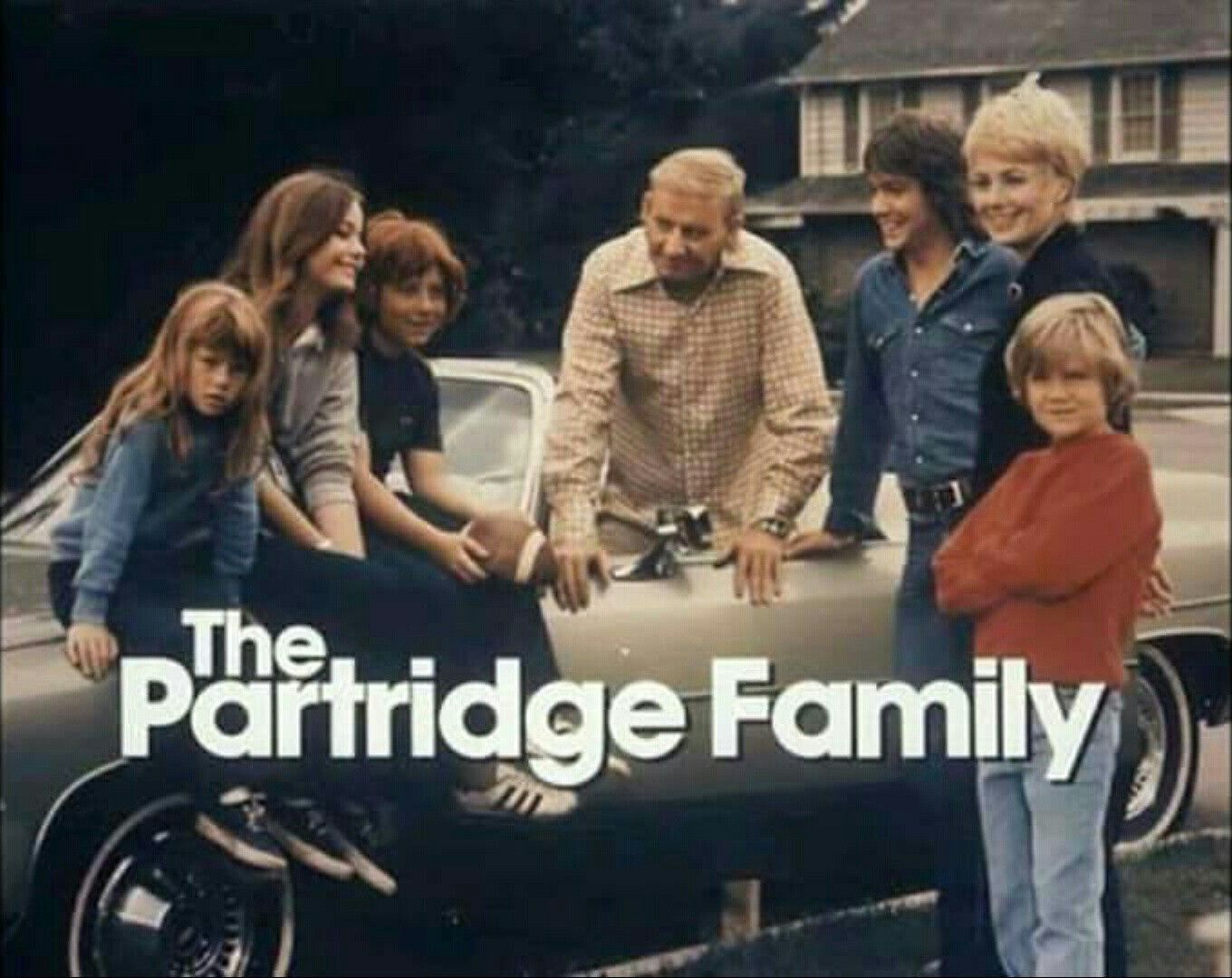
“It’s a Long Way to Heaven” by The Partridge Family is one of those deep-album treasures that doesn’t arrive with the fanfare of a hit single, yet it carries the emotional weight of a late-night confession. The song appears on Crossword Puzzle—the group’s seventh and penultimate studio album—released in June 1973 on Bell Records, produced by Wes Farrell. It’s positioned as track 4 on the album (running about 2:37), tucked among brighter, more “TV-friendly” moments—yet it’s precisely this one that feels most like a real person stepping out from behind the glossy set lights.
At the time of its release, the wider commercial story around the album already had a sense of the tide turning. Crossword Puzzle became the last Partridge Family album to chart in the U.S., entering Billboard’s Top LPs chart in July 1973 and peaking at No. 167, spending only five weeks in the Top 200. Bell, having oversaturated the market and losing faith, did not release a U.S. single from the album (though “Sunshine” was issued as a single in Japan). That context colors “It’s a Long Way to Heaven” with an unintentional poignancy: you can almost hear the era dimming, the teen-pop machine slowing down, while a song about loneliness and uncertainty slips through the cracks like something too honest to be merchandised.
The song itself was written by Mark James and recorded on September 22, 1972, during the album sessions. That writer credit is a quietly fascinating detail. Mark James (Francis Rodney Zambon) was no lightweight pop craftsman—he would become legendary for writing major classics like “Suspicious Minds”, “Hooked on a Feeling”, and “Always on My Mind.” Knowing that, you can hear “It’s a Long Way to Heaven” as an early example of what he did so well: taking plain language and loading it with a grown-up ache, the kind that doesn’t need fancy metaphors because the feeling is already sharp enough.
Lyrically, the song is a gentle ultimatum disguised as weariness. The narrator isn’t begging to be loved; he’s asking for truth. If the relationship can’t “be like a storybook,” if their “music” can’t blend, then he’ll keep moving down the road. And then the chorus lands with its quietly devastating thesis: “It’s a long way to heaven / And I’m so tired of being alone.” That line does something subtle and powerful—it turns “heaven” into a distance, not a reward. Love becomes a journey measured in patience, and loneliness becomes the toll you pay while you’re waiting to find out whether the person beside you is truly there.
What makes the song especially affecting in the Partridge universe is its tone of maturity. The Partridge Family brand often sold togetherness—family harmony, romance with soft edges, problems solved in a half-hour. But “It’s a Long Way to Heaven” admits something the bright packaging usually avoids: that time is precious, and uncertainty can waste you. The narrator asks for eye contact, for conviction—because if tomorrow brings only the realization that he’s “not the one you really need,” then the whole trip starts to feel like a tragedy you could have prevented by being honest earlier.
In the end, “It’s a Long Way to Heaven” endures because it captures a feeling that never goes out of style: the exhaustion of half-love, the loneliness of maybe, the aching desire for a promise you can actually lean on. It’s a small song from a late chapter—an album that barely clung to the charts—yet it carries a surprisingly timeless truth. Some roads are romantic only from a distance. Up close, what we want is simpler: a clear gaze, a steady hand, and the comfort of not being alone on the long way there.