
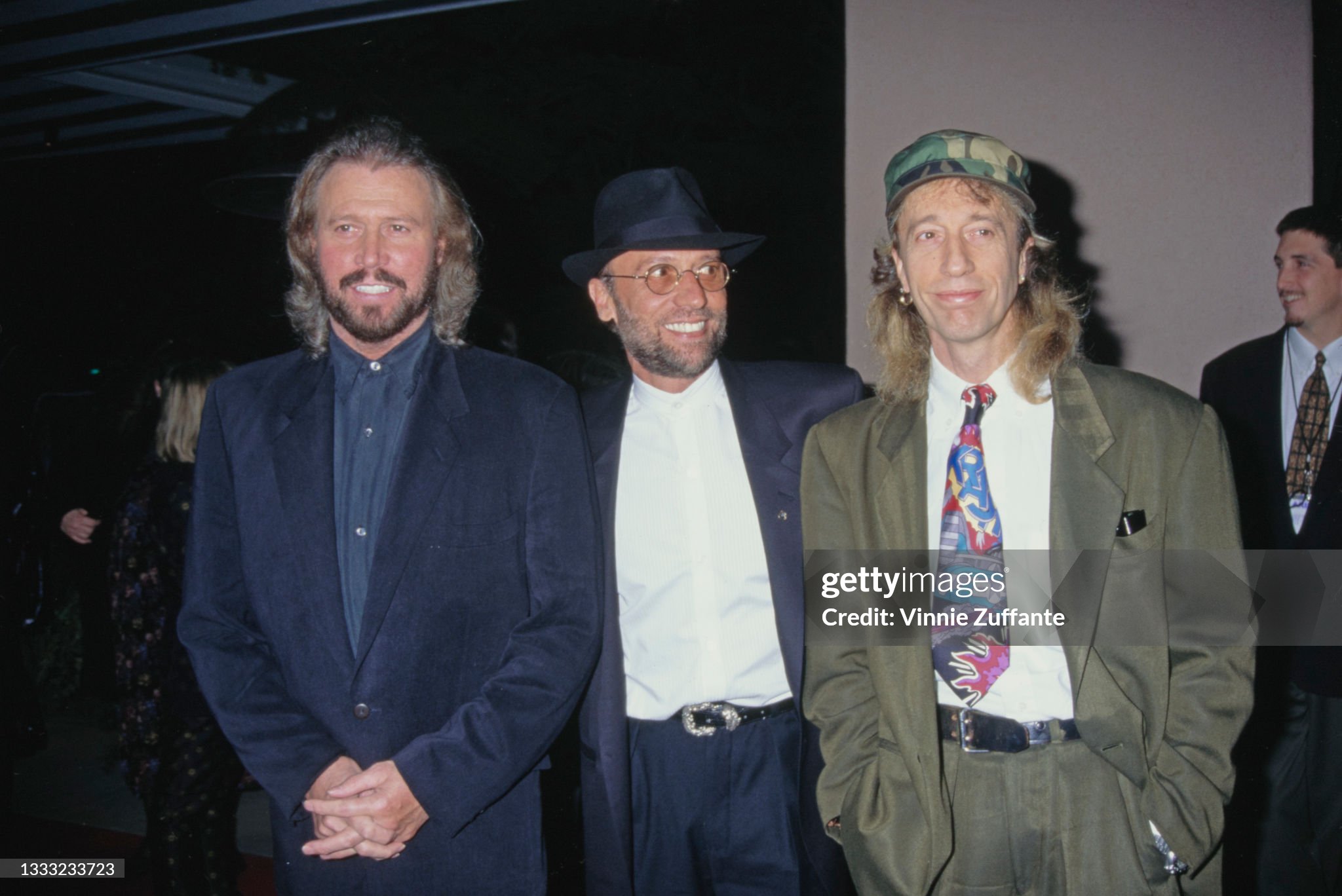
“In the Morning” is the Bee Gees’ tender reminder that life begins again every day—yet even dawn can carry a quiet ache, the kind you only notice when you’re old enough to listen slowly.
There’s a particular kind of softness in Bee Gees – “In the Morning”—a softness that doesn’t come from weakness, but from clarity. It’s the sound of youth looking forward, already sensing that time is precious. This song (better known to many listeners by its later title “Morning of My Life”) was written by Barry Gibb in 1965, and the roots of it are almost pastoral in their simplicity: the song was composed while he was in Wagga Wagga, Australia. That detail matters, because you can hear the “small-town morning” atmosphere in the way the melody breathes—less like a pop product, more like a thought you carry quietly before the day gets loud.
The “at release” story of the song is unusual, because it lived more than one life. The Bee Gees first recorded it in June–July 1966, during the Australian-era sessions that fed into the group’s early catalogue. But the version that most listeners eventually came to know—the one with that luminous, mature blend of voices—was re-recorded on September 30, 1970, after Robin Gibb had rejoined the group. That 1970 recording did not appear on their studio album 2 Years On, yet it found a wider audience almost immediately because it was used on the soundtrack to the 1971 film Melody (also marketed as S.W.A.L.K. in the UK).
So what about chart ranking at the moment it re-emerged? In pure singles terms, this song wasn’t a major charting “debut” in the Bee Gees story like “How Can You Mend a Broken Heart.” Still, it was released in soundtrack-era single form: Bee Gees discography listings show “Melody Fair” / “In the Morning” as a 1971 single pairing, and also “In the Morning” / “To Love Somebody” as another soundtrack-linked single listing—without chart positions attached in the discography table. The soundtrack album itself, however, carries a striking piece of release-era success: Melody is documented as reaching No. 1 on the Japanese charts. In a way, that feels fitting—this is a song with an international heart, the kind that travels well because it speaks in the universal language of dawn, promise, and tenderness.
The story behind “In the Morning” is also the story of how the Bee Gees learned to make innocence sound wise. The lyric’s central idea—it’s only morning, and you’re still to live your day—doesn’t merely encourage; it blesses. It recognizes that the “minutes take so long,” that waiting can feel endless when you’re young, and yet it gently insists that life will unfold anyway. This is not the swagger of pop stardom. It’s a quieter courage: the courage to believe that you haven’t missed your chance, that the day hasn’t judged you yet, that you can still choose who you want to be before noon arrives.
What makes the Bee Gees so special here is how their voices behave. They don’t push; they cradle. The harmonies are less like a choir demanding attention and more like family speaking from the next room—near enough to comfort you, far enough to let you think. And because the 1970 remake came after real upheaval—after separation, after reunion—it carries an emotional subtext that the 1966 recording couldn’t: the awareness that mornings don’t only mean beginnings. They also mean second chances.
In the end, “In the Morning” endures because it doesn’t try to be grand. It tries to be true. It meets you at that fragile hour when the day is still undecided, when your heart is full of plans and quiet fears, and it says—without preaching, without shouting—keep going. Not because everything will be easy, but because it’s morning, and there is still time.