
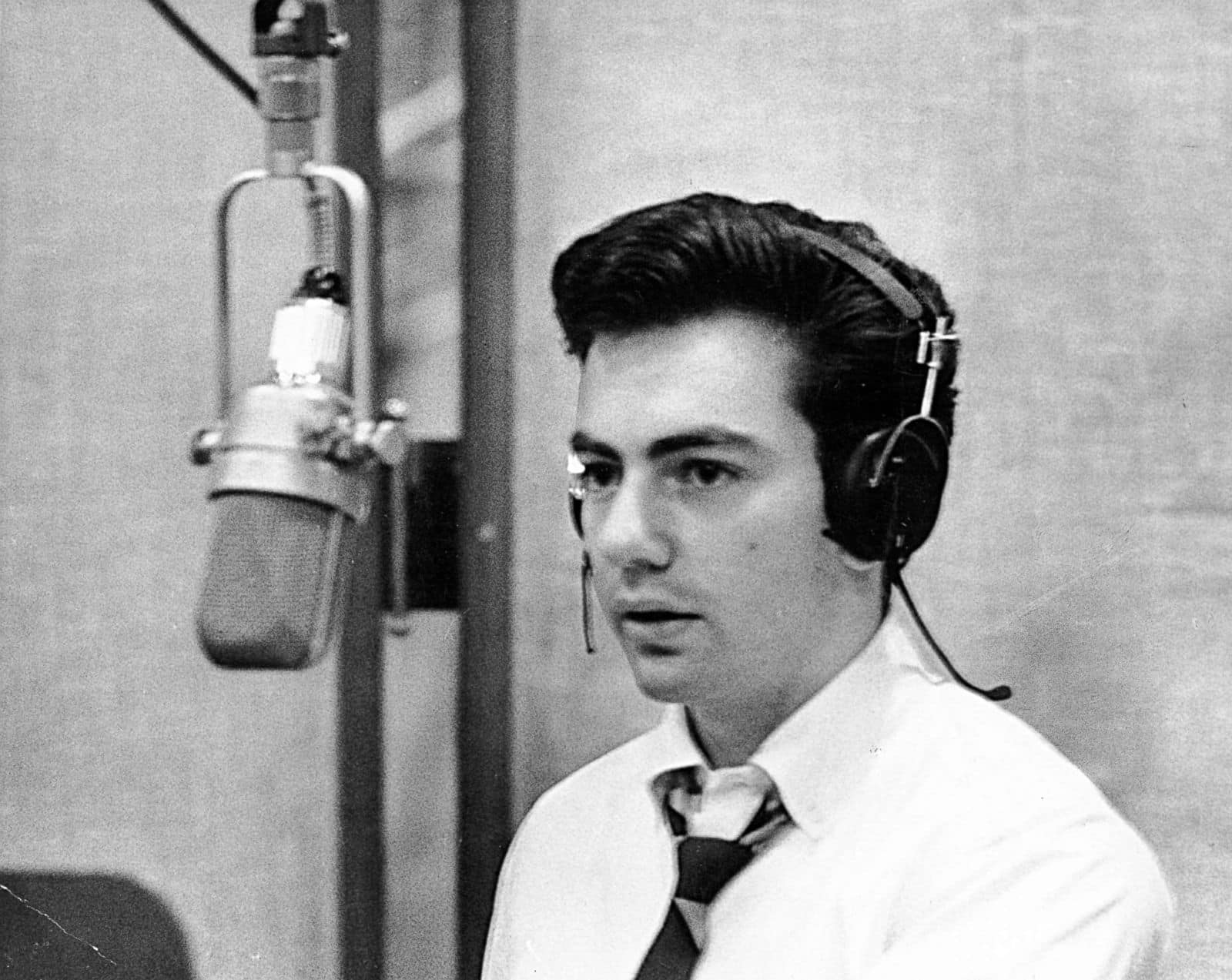
In “Longfellow Serenade,” Neil Diamond made romance sound both courtly and deeply human, as if poetry, longing, and a touch of old-world magic had drifted gently into modern pop.
When Neil Diamond released “Longfellow Serenade” in 1974, he was already a major star, but this song revealed a softer and more elegant side of his art than many casual listeners remember first. It appeared on Serenade, his ninth studio album, released on September 27, 1974, for Columbia Records, with production by Tom Catalano. Issued as a single later that year, “Longfellow Serenade” became one of Diamond’s most substantial mid-1970s successes, spending two weeks at No. 5 on the Billboard Hot 100 and reaching No. 1 on Billboard’s Easy Listening chart. Beyond the United States, it also climbed to No. 1 in Switzerland, No. 2 in Germany, and charted strongly in places such as Canada and Australia. The album that carried it became Neil Diamond’s third consecutive platinum album, confirming that this was not a passing flourish, but part of a remarkably strong period in his career.
Those chart facts matter, because they show that “Longfellow Serenade” was never merely a refined deep cut for devoted fans. It was a genuine hit in its own time. Yet what has kept the song alive is not simply where it peaked, but the mood it created. From its opening lines onward, the record moves with unusual grace. It does not rush toward drama. It does not overwhelm the listener. Instead, it unfolds like a romantic scene lit by lamplight—measured, persuasive, and touched with a kind of literary charm that few pop stars of the era could carry so naturally.
The title itself gives away much of the song’s spell. “Longfellow Serenade” takes its name from Henry Wadsworth Longfellow, the 19th-century American poet, and Diamond later explained that the song’s style was meant to suit the story of a man wooing his woman with poetry. That already sets it apart from the usual love song. This is not romance expressed through urgency or heartbreak, but through language, image, and ceremony. The song imagines courtship as something almost antique—beautifully formal, gently theatrical, and all the more intimate because it arrives with such patience. Diamond also later recalled choosing the Longfellow reference after remembering a youthful episode in which he used one of the poet’s works to charm an older woman. That detail adds a faint smile to the song’s elegance: beneath the velvet phrasing is still a flesh-and-blood young man learning what language can do.
That background helps explain why the song feels both dreamy and grounded. The lyric reaches toward poetry, but it never floats away from human desire. The man at the center of “Longfellow Serenade” is not reciting verse for art’s sake. He is using beauty in order to close the distance between himself and the woman he loves. In that sense, the song is about seduction, but not in a crude way. It treats seduction as tenderness, as patience, as an effort to make romance worthy of being remembered. That is one reason the song still sounds so elegant. It belongs to an era of pop in which Neil Diamond could borrow the aura of literature and still remain entirely accessible.
The arrangement deepens that feeling. Contemporary trade reviews at the time described the record as a “powerful up-tempo ballad” and praised Diamond’s rich, smooth vocal, while Record World went even further, calling it a “masterpiece of thought and performance perfection.” Those descriptions may sound lofty, but they capture something real in the recording. Diamond sings the song with control rather than force. His voice is warm, persuasive, and carefully shaded, never pressing too hard against the melody. That restraint is essential. The song’s elegance would have collapsed under too much vocal display. Instead, he keeps it poised, allowing the romantic atmosphere to grow naturally.
Within Serenade, the song also had a special role. The album marked Diamond’s second studio release for Columbia and contained three singles, but “Longfellow Serenade” stood out as the biggest of them. In a catalog full of songs about yearning, memory, and emotional hunger, this one occupies a distinct place. It is less wounded than “Brooklyn Roads,” less openly dramatic than some of his other major ballads, and less rooted in everyday realism than many of his narrative songs. Instead, it lives in a romantic twilight of its own. That is what makes it unforgettable. It does not merely describe love; it stages love, dresses it in poetic language, and lets it move with a quiet confidence that feels almost old-fashioned in the best sense.
The meaning of “Longfellow Serenade” lies, finally, in that balance between artifice and sincerity. It is a serenade, yes—a performance, a gesture, a deliberate act of charm. But beneath that surface lies something deeply earnest. Neil Diamond was not mocking romance here, nor hiding behind literary reference. He was reaching for a kind of love song that could sound cultivated without losing warmth. The result is one of the most distinctive singles of his 1970s peak: soft without weakness, elegant without distance, memorable without ever needing to shout.
So “Longfellow Serenade” continues to cast its spell because it offers something that popular music rarely sustains for long: romance with dignity. Not cold dignity, and not stiff formality, but the kind that comes from taking feeling seriously enough to clothe it in beauty. In Neil Diamond’s voice, the song becomes a courtship suspended in time—gentle, polished, and quietly glowing. That is why it lasts. Not only as a hit from 1974, but as one of those rare records where melody, language, and atmosphere seem to bow gracefully to one another, and leave behind something truly unforgettable.