
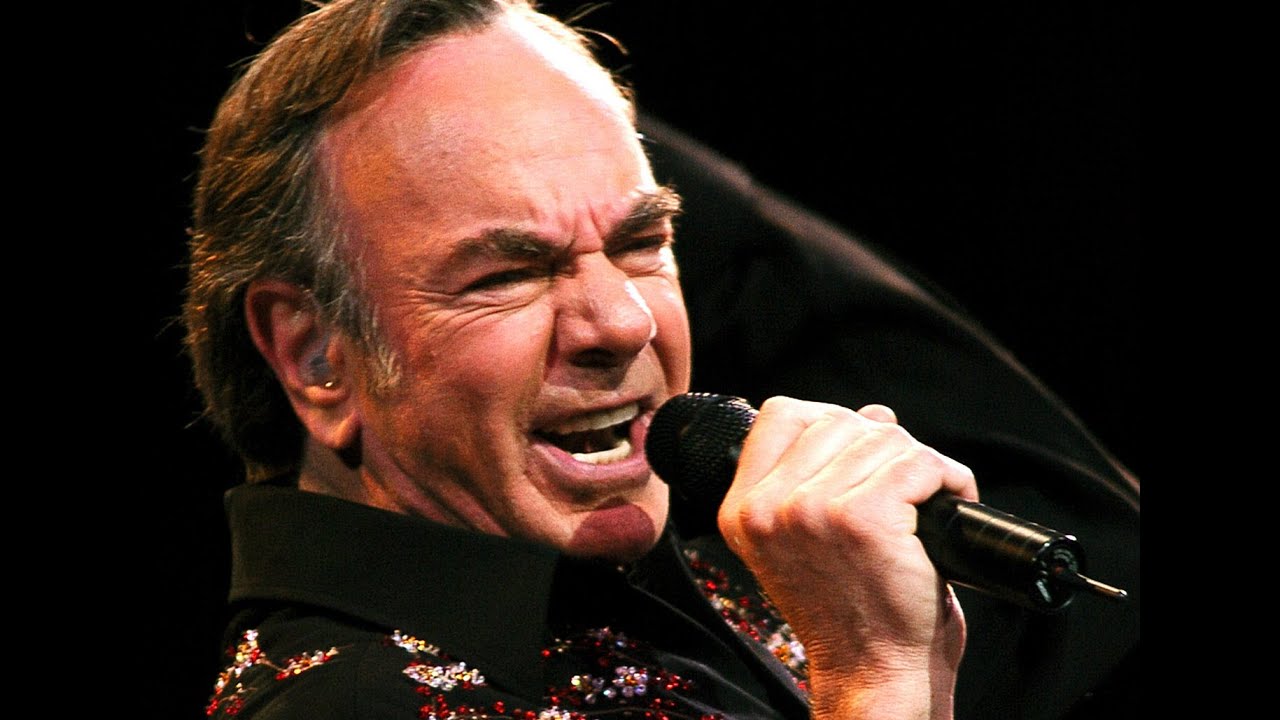
The Portrait of a Dreamer Undone by His Own Illusions
When Neil Diamond released “Two-Bit Manchild” in 1968 as part of his album Velvet Gloves and Spit, the song emerged at a pivotal juncture in his career—a moment when the pop craftsman of exuberant hits like “Cherry, Cherry” and “Kentucky Woman” began to turn inward, confronting the shadows behind fame and the fragile architecture of self-belief. Though it never reached the commercial heights of his earlier singles, its modest chart showing belied its importance: “Two-Bit Manchild” marked a deepening of Diamond’s lyrical ambition, signaling his transformation from Brill Building hitmaker to introspective troubadour. In this track, he ceased merely describing the outer world of bright lights and adoration and began exploring the inner wastelands that success can sometimes conceal.
At its heart, “Two-Bit Manchild” is a parable of lost innocence—an unflinching look at what happens when youthful bravado erodes under the weight of disappointment. The titular figure is both a character and a mirror: a man who once reached for greatness but finds himself stranded between boyish dreams and adult disillusionment. Diamond’s lyricism here is strikingly confessional. He writes not as an observer but as one entangled in the same web of yearning and regret that ensnares his creation. It is impossible not to hear echoes of Diamond himself—then an ambitious young artist grappling with fame’s double-edged promise. His tone carries both empathy and rebuke, suggesting that self-deception is as seductive as it is destructive.
Musically, the track embodies the restless spirit of late-1960s pop-rock while hinting at folk introspection. The arrangement is spare yet forceful, driven by acoustic guitar and underscored by Diamond’s signature baritone—warm, unguarded, and flecked with grit. There’s an almost spiritual tension between melody and message: the tune’s rhythmic pulse suggests vitality, but the lyrics pull downward into doubt. That friction gives “Two-Bit Manchild” its power; it feels like an anthem sung from within a mirror maze, where every reflection distorts just enough to unsettle.
In broader cultural terms, “Two-Bit Manchild” resonates with an era increasingly skeptical of heroes and hollow promises. It belongs to a lineage of late ’60s songs that exposed the cracks beneath optimism—works by artists who recognized that the pursuit of identity in an age of upheaval often led to existential confusion. Yet Diamond approaches this theme not with cynicism but compassion. His flawed protagonist still reaches for redemption; he still wants to believe in something larger than his own failures. That yearning gives the song its timeless ache.
More than half a century later, “Two-Bit Manchild” endures as one of Neil Diamond’s most revealing early works—a bridge between commercial pop craftsmanship and emotional authenticity. It stands as both confession and cautionary tale: a reminder that ambition without humility curdles into emptiness, and that even our smallest selves—the “two-bit” dreamers—contain multitudes worth understanding.