
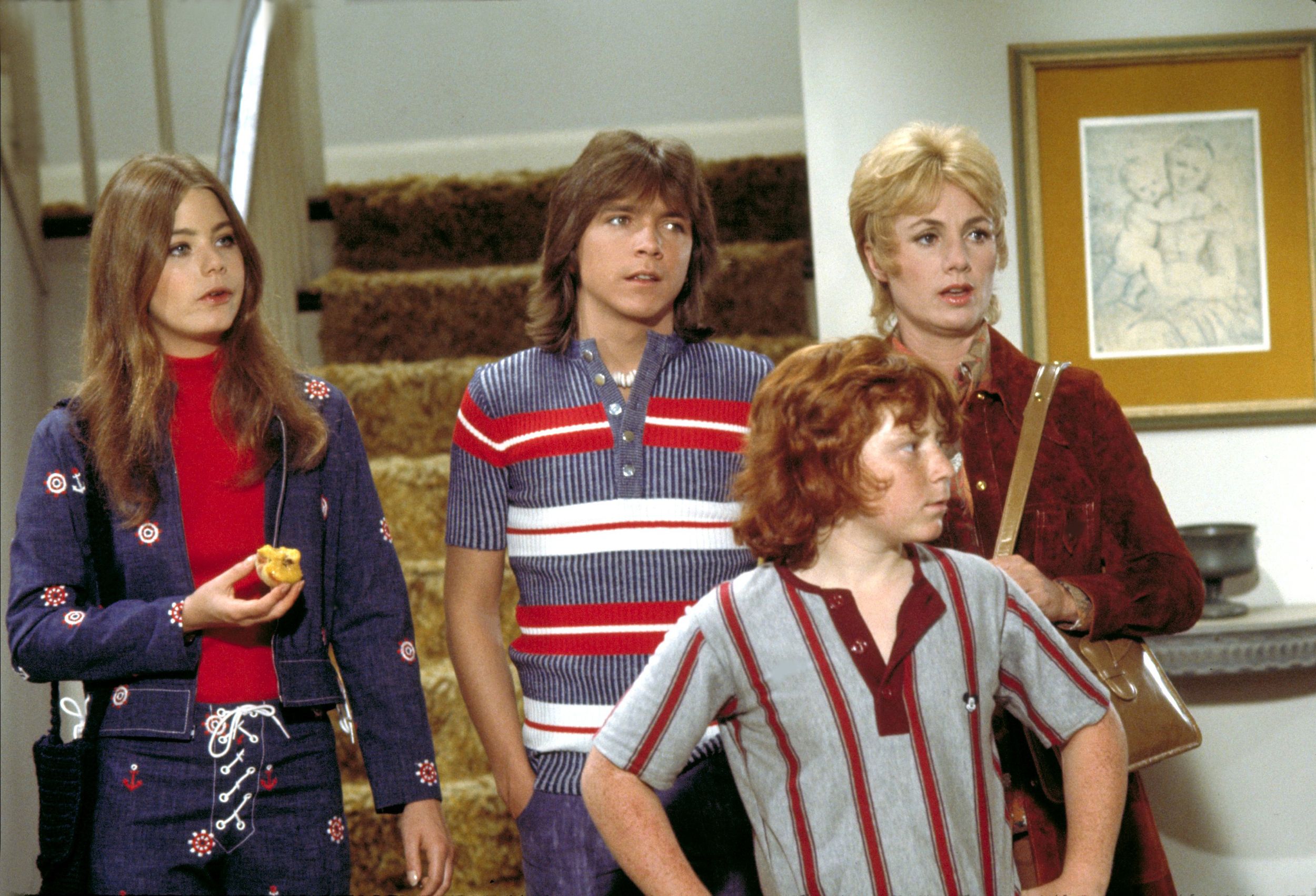
A gentle hidden gem from The Partridge Family, That’s The Way It Is With You captures the quiet surrender of young love with more warmth than flash.
One of the most important things to say at the beginning is also the reason this song feels so special today: That’s The Way It Is With You was not one of the heavily celebrated chart-smashing singles that defined The Partridge Family on the Billboard Hot 100. Unlike I Think I Love You, which famously reached No. 1 in 1970, this song is remembered more as a treasured catalog piece than as a major standalone chart entry. And in a curious way, that is exactly why it has lasted in the hearts of devoted listeners. It was never worn out by overexposure. It waited quietly, like a melody kept between the pages of an old letter.
That quieter status should never be mistaken for lesser quality. In fact, songs like That’s The Way It Is With You reveal something essential about The Partridge Family that casual nostalgia sometimes misses. Behind the bright television image, the bus, the smiles, and the neat half-hour endings, there was often a real instinct for beautifully made pop. The recordings were polished, yes, but they were also built with craft. Under producer Wes Farrell, and with the help of top Los Angeles studio musicians, the group regularly delivered records with structure, sweetness, and emotional precision. When David Cassidy stepped into one of these gentler songs, the result could be surprisingly intimate.
That intimacy is the heart of That’s The Way It Is With You. The title itself carries a kind of soft resignation, but not a sad one. It suggests the moment when affection has gone beyond explanation. Love is no longer a theory, no longer a debate, no longer something to be solved. It simply is. That is what the song understands so well. There is a tender acceptance in it, the recognition that one person has somehow changed the emotional weather of your day, and there is no dramatic speech that can make it clearer. Some songs shout their feelings. This one leans closer and speaks in a voice low enough for only one person to hear.
Musically, the charm lies in restraint. The Partridge Family could certainly do buoyant, radio-ready pop, but here the appeal is in the smoothness of the arrangement and the unforced sincerity of the vocal. David Cassidy had a way of sounding youthful without being flimsy, and earnest without slipping into exaggeration. That balance mattered. On a song like this, he does not oversell the sentiment. He lets the melody carry the emotional weight. That choice gives the performance its staying power. Instead of feeling trapped in a particular television moment, it drifts free of it. The song begins to belong not to a scripted family on screen, but to the listener’s own memories.
There is also something revealing in the contrast between this song and the group’s biggest hits. The blockbuster records gave The Partridge Family their public identity: catchy, immediate, cheerful, impossible to ignore. But the deeper album cuts and lesser-discussed songs often gave them their emotional texture. That’s The Way It Is With You belongs to that second category. It is the kind of song that reminds us why so many listeners stayed long after the novelty should have faded. It was not only about a television phenomenon. It was about how efficiently and gracefully this project could deliver melodies that felt personal.
Any honest appreciation of The Partridge Family should also include the unusual nature of the act itself. It was a television creation, but it touched real pop culture in a very real way. Shirley Jones brought warmth and credibility, while David Cassidy became the emotional center of the recordings and the face of a generation’s crush. Yet even now, beyond the posters and the prime-time glow, the music remains the strongest evidence. Songs like That’s The Way It Is With You survive because they do not depend on costumes, storylines, or television framing. They survive because they were written and recorded with an instinct for emotional clarity.
The meaning of the song, then, is both simple and lasting. It is about affection that feels natural rather than theatrical. It understands that love often enters ordinary life quietly. No trumpet call announces it. No grand lesson arrives with it. Instead, a person becomes part of the rhythm of your thoughts, and suddenly the world feels arranged around that fact. That is the emotional world this song inhabits. It carries the sweetness of early devotion, but it also carries a little maturity: the understanding that feelings do not always need to be explained in order to be true.
For listeners returning to it now, that may be the deepest pleasure of all. That’s The Way It Is With You feels like the sort of song that grows kinder with time. What once may have sounded merely pleasant can now sound wise in its modesty. It does not beg for attention. It does not force its place in history. It simply offers a lovely melody, a sincere vocal, and a gentle emotional truth. In a catalog full of brighter headlines, that kind of song can become a private favorite.
So while it did not arrive with a major standalone chart peak attached to its name, That’s The Way It Is With You still tells an important story about The Partridge Family. It shows that the group’s legacy is not limited to the records everyone remembers first. Sometimes the clearest portrait of an artist—or in this case, a pop phenomenon—lives just beyond the obvious titles. And sometimes the songs that stay with us longest are the ones that never had to announce themselves too loudly in the first place.