
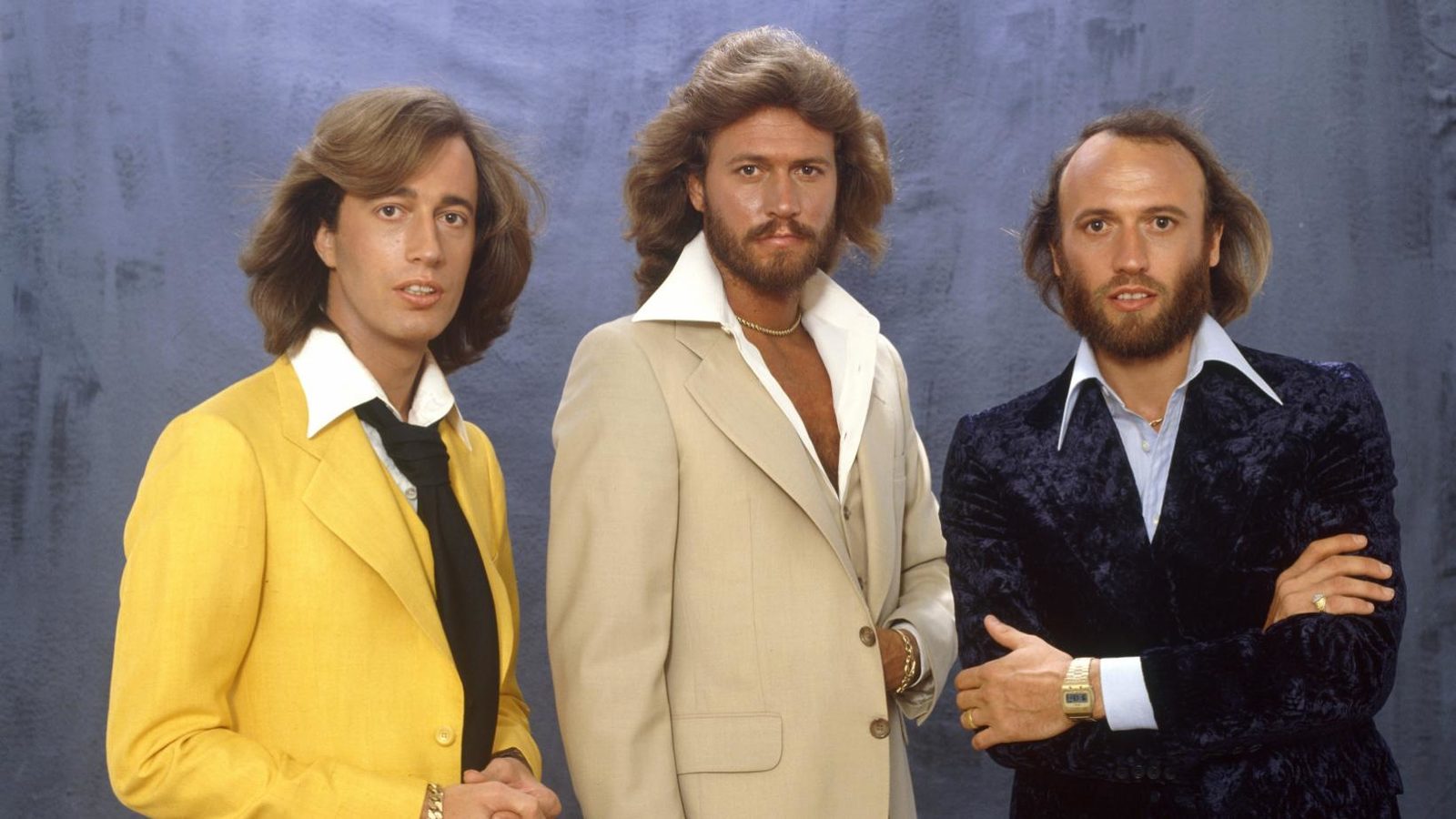
“How Love Was True” is a small, early Bee Gees time-capsule—three brothers singing as if love were a first draft of destiny, already slipping into memory even while it’s happening.
There’s a special ache in hearing a band at the beginning, before the world has taught them to armor their feelings. Bee Gees – “How Love Was True” comes from that tender, uncertain frontier: it’s one of the few brand-new songs recorded specifically for their Australian debut LP The Bee Gees Sing and Play 14 Barry Gibb Songs, released in November 1965 on Leedon. The album itself was a kind of scrapbook—largely compiling earlier singles recorded between June 1963 and October 1965—but Wikipedia notes that only five new songs were cut for the project, and “How Love Was True” is one of them. In other words: this track isn’t just “another early cut.” It’s part of the album’s fresh heartbeat—the sound of the Gibb brothers still inventing what “the Bee Gees” could be.
On the original LP sequence, “How Love Was True” is typically listed as track 3 (A3) and runs about 2:12. The songwriting credit is to Barry Gibb, a reminder that even at this teenage stage, Barry’s pen was already the engine room. And if you’re looking for “ranking at launch,” the honest answer is that the song was not released as a major charting single in the key markets that have widely archived chart debuts, so there’s no reliable debut position to cite for “How Love Was True” itself. Its closest “single-life” connection appears in discographical notes: “How Love Was True” was used as a B-side to “I Was a Lover, a Leader of Men” for a Philippines release (dated January 1966 in that documentation). That’s the kind of early-career detail that feels almost quaint now—songs traveling as B-sides, quietly hitchhiking their way into people’s lives.
The story behind the recording is the story of young ambition in a Sydney studio. The album’s sessions are tied to Festival Studio, Sydney, and the record’s producer credits include Bill Shepherd (with Robert Iredale noted for other tracks). You can hear the era’s limitations—no endless tracks, no digital polish—yet what rises above every constraint is the brothers’ instinct for harmony, already pointing toward their future. Bee Gees historian Joseph Brennan describes “How Love Was True” as a “fine harmony number,” noting that Robin Gibb takes the solo lead vocal, with the group’s blended voices doing what they always did best: making feeling sound inevitable.
And that’s where the meaning begins.
“How Love Was True” is not the mature Bee Gees of “If I Can’t Have You” or “How Deep Is Your Love.” It’s smaller, more innocent—yet it carries a surprisingly adult emotional shadow: the sense that love, however sincere, can become past tense while you’re still trying to live inside it. Even the title reads like a sigh. Not “How Love Is True,” but how love was true—as if the narrator is already looking back, already holding a faded photograph up to the light, already asking what happened to the certainty that once seemed permanent.
That backward glance is one of the most poignant tricks young writers sometimes pull without realizing it: they sing about loss before they’ve fully lived it, because the idea of loss is already in the air around them. In mid-60s pop, heartbreak was everywhere—on radios, in dance halls, in the language of grown-ups. The Bee Gees, still boys with enormous talent and restless hearts, absorbed that atmosphere and turned it into something gently dramatic. The song’s short runtime—barely over two minutes—adds to the effect. It doesn’t “develop” like a grand ballad; it appears, confesses, and vanishes, like a thought you have while walking alone and then pretend you didn’t.
What makes this track especially moving, decades later, is how it frames sincerity as something fragile rather than triumphant. Many early pop songs treat love like a prize. “How Love Was True” treats love like a season—beautiful, real, and already slipping away. It’s the kind of song that doesn’t need plot twists. Its emotional twist is simply time itself.
And perhaps that’s why this little early recording still matters in the Bee Gees’ long story. It shows the foundation: the harmonies, the melancholy, the instinct to make pop music sound like memory. Long before the world knew their falsetto era, long before stadium lights and disco floors, the brothers were already practicing what would become their quiet signature—making a listener feel, for a moment, that the past is not gone. It’s just singing from a room down the hall.