
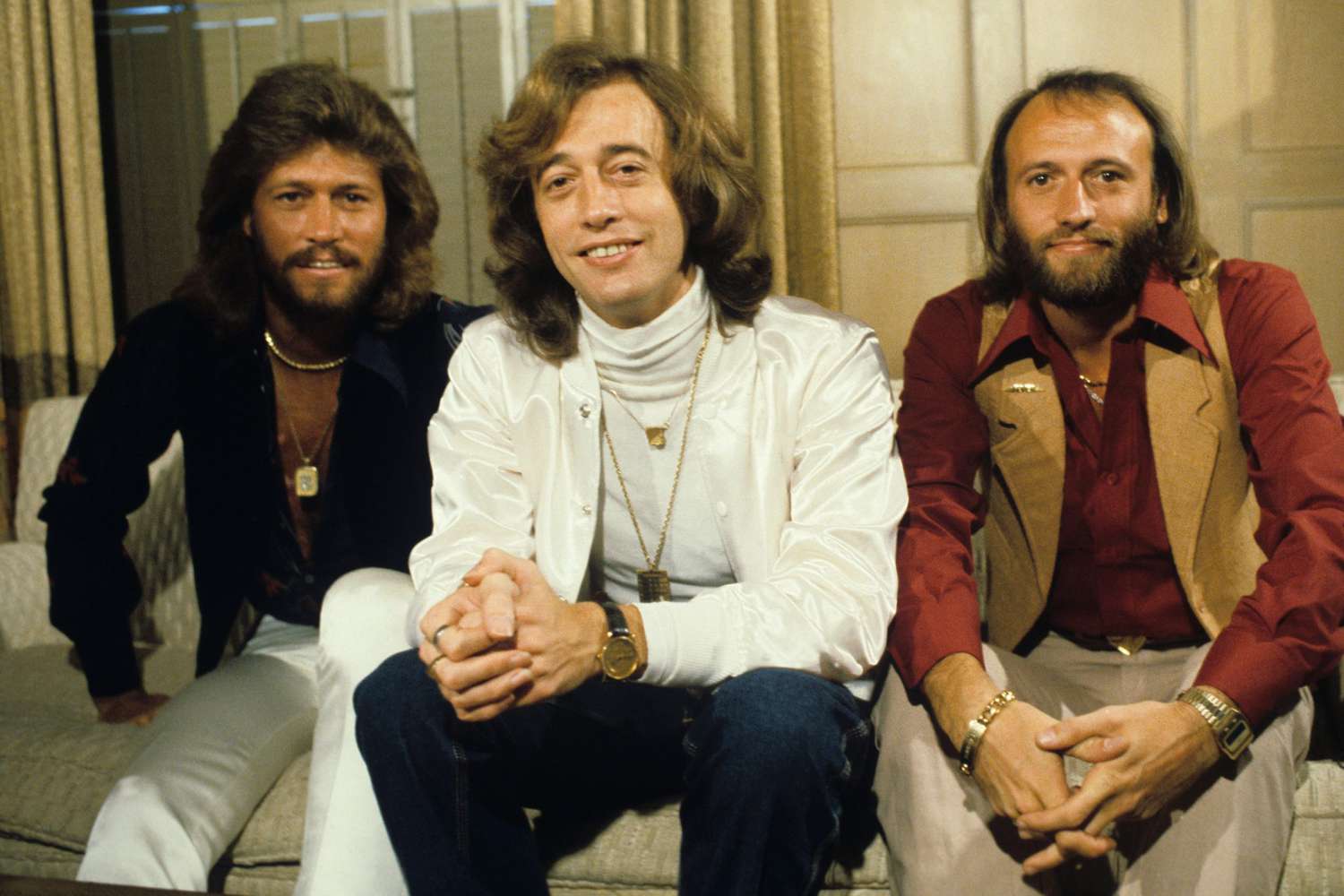
“I Started a Joke” is the Bee Gees’ most private kind of tragedy—a soft melody that feels like a confession: the moment you realize your words can wound, even when you meant to be understood.
Some songs don’t age so much as they deepen. “I Started a Joke” is one of those. The essentials deserve to be placed right at the top, because they explain the peculiar gravity this record still carries. The song was recorded on 20 June 1968 at IBC Studios, London, and released as a single on 21 December 1968, credited to Barry, Robin and Maurice Gibb, produced by Robert Stigwood and the Bee Gees, and drawn from the 1968 album Idea. In the United States, it entered the Billboard Hot 100 with a documented debut position of No. 61 (debut chart date 12/21/68) and rose to a peak of No. 6, becoming one of the group’s early American Top 10 landmarks.
And then comes the detail that always surprises people who grew up with it: the Bee Gees’ version was not released as a single in the UK at the time, which is why it has no “classic” UK singles-chart run in the way their other late-’60s hits do; even an Official Charts feature list notes it with a peak of “N/A”. In other words, the song’s legend was built less by a neat British chart narrative and more by the way it traveled—through albums, imports, radio, and the slow, faithful passing of a tune from one listener’s life to another.
Musically, the record sits in that fascinating Bee Gees pocket where baroque-pop elegance meets psychedelic uncertainty. Robin Gibb sings lead, and his voice here is almost a character in its own right—tremulous but firm, wounded but strangely composed. The personnel list is a small time capsule: Maurice on mellotron/organ/piano/bass, Barry on acoustic guitar and backing vocals, Colin Petersen on drums, and Vince Melouney on guitar—significantly, this was the last Bee Gees single to feature Melouney before his departure. The arrangement feels like winter sunlight: pale, beautiful, and a little cold on the skin.
The “story behind it” is best told the way the band themselves seemed to prefer—partly revealed, never pinned down. One factual nugget is wonderfully evocative: the song’s melancholy melodic shape was said (in Robin’s own recollection as relayed in documentation around the track) to be inspired by the sounds on board an aeroplane—that pressurized hush, that steady engine-throb, that sense of being suspended between places. It’s hard to imagine a more fitting origin. “I Started a Joke” feels exactly like that: you’re moving forward, but you’re also floating, watching your own life from a window seat, wondering when the miscommunication began.
And then there is Robin’s most telling comment of all. In a later interview, he described the song as “spiritual,” and insisted that listeners have to interpret it themselves, because trying to “explain” it would diminish its power. That refusal to dictate meaning is not evasiveness—it’s part of the song’s design. “I started a joke, which started the whole world crying.” Those words can be guilt, or alienation, or the terrible comedy of being misunderstood. They can be about a relationship, or fame, or the ache of living inside your own head. The lyric keeps turning like a prism: one line, many shades of sorrow.
What makes the song endure, though, is not mystery for its own sake. It’s the emotional truth underneath the ambiguity: the fear that you cannot repair what you set in motion. The narrator sounds like someone watching consequences ripple outward—first laughter, then tears, then an awful silence where the only thing left is the awareness of what you’ve done. Yet even in that regret, there’s a kind of dignity. The singer doesn’t rage at the world; he simply admits his smallness inside it. That’s a very Bee Gees kind of bravery—especially in 1968, when so much pop was either swagger or spectacle.
Over time, “I Started a Joke” also became a song other artists reached for when they needed a melody that already carried pain in its bones—most famously in the ’90s, when Faith No More recorded their own stark, modern version, proving the tune could survive a complete change of wardrobe and still feel like a wound you recognize instantly. Wikipedia
So if you return to “I Started a Joke” now, after decades of living, it doesn’t sound like an old hit. It sounds like a private moment preserved in amber: the instant you understand that words are not harmless, that love is not always understood, and that even a “joke” can become a lifelong echo. In the end, the song’s most haunting trick is simple—very human, very quiet: it makes regret sound beautiful, and it makes beauty feel like something you have to forgive yourself for wanting.