
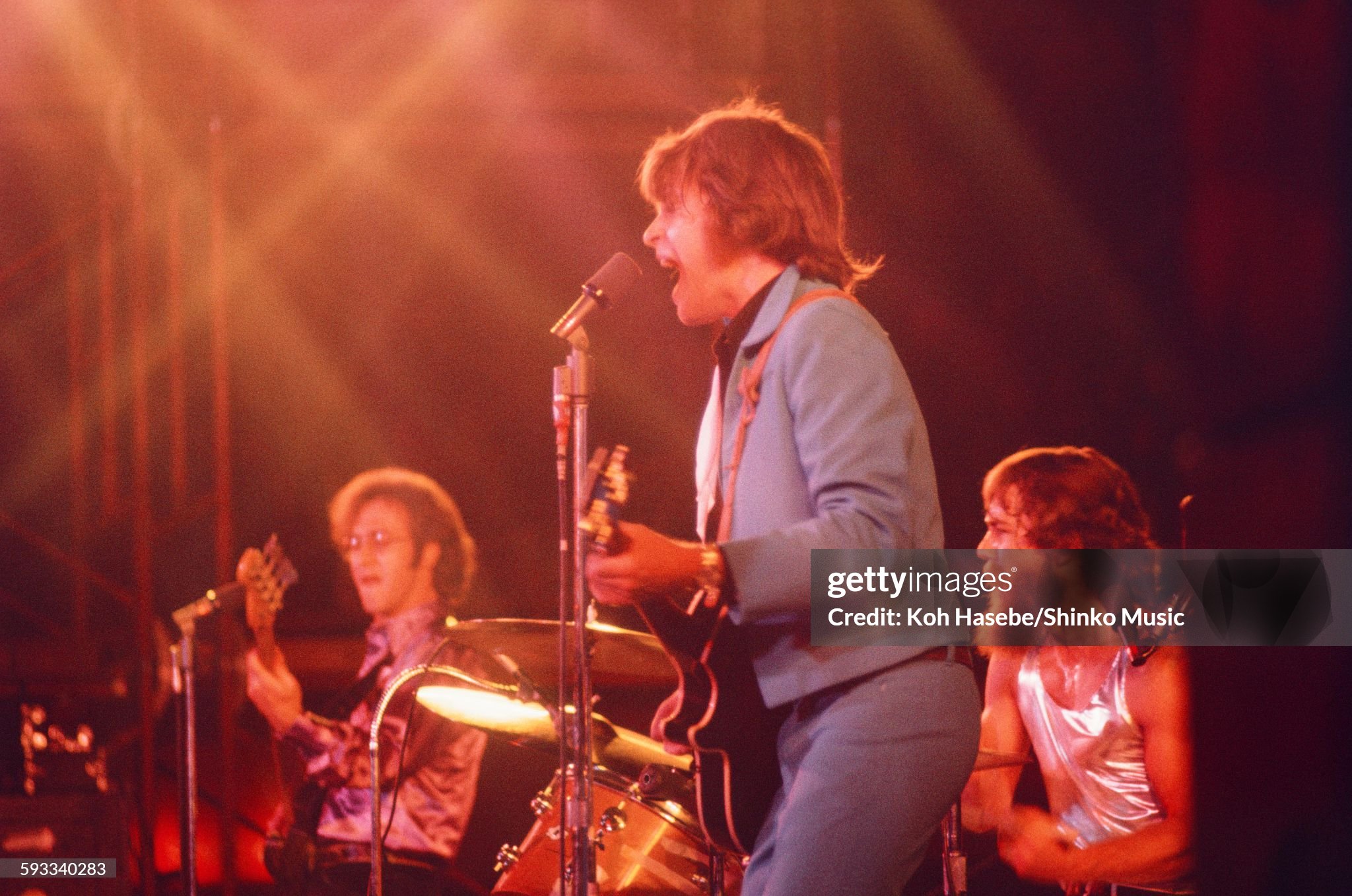
“Bootleg” is CCR’s sly wink at temptation—where the outlaw thrill isn’t really about liquor, but about the human weakness for whatever we’re told we shouldn’t want.
“Bootleg” sits near the front of Creedence Clearwater Revival’s breakthrough album Bayou Country, released January 15, 1969—a record that climbed to No. 7 on the Billboard 200 and helped define CCR’s “mythic South” sound even though the band were California boys with sharp ears and sharper instincts. The track itself is pure John Fogerty: concise, propulsive, and built around a riff that feels like tires on warm asphalt—steady, hypnotic, and just a little dangerous. It wasn’t issued as a major U.S. chart single, but it became something arguably more lasting: a fan-favorite album cut that explains, in three minutes, why CCR’s music felt both clean and gritty at the same time.
The hard facts first, because they set the scene. Bayou Country was recorded in October 1968 at RCA studios in Hollywood, produced by John Fogerty, and released on Fantasy Records. “Bootleg” is the album’s second track, written by Fogerty, and its central idea is disarmingly simple: we’re often drawn to things that are “bad for you,” and—worse—we sometimes want them more because they’re forbidden. One critic summarized the point neatly: illegality has a way of making something feel more attractive.
That’s the song’s little psychological sting. “Bootleg” isn’t preaching morality; it’s admitting a truth about appetite. It understands how the mind dresses desire in romance—how the same old weakness starts to feel like an adventure the moment it’s hidden from polite daylight. In the late ’60s, when American culture was already splintering into “straight” and “wild,” CCR had a gift for writing songs that didn’t lecture from a podium. They just looked you in the eye and told you what people do when nobody’s watching.
Musically, the track’s charm is how unfussy it is. It moves on twin acoustic energy and call-and-response bite, like a porch-jam that somehow got perfectly recorded. Uncut described it as a “moonshine groove,” driven by the paired acoustics and Fogerty’s vocal interplay—praise that captures the way the song seems to bounce forward without ever losing its grit. And if you listen closely to the session lore, there’s something wonderfully human in it: Tom Fogerty reportedly played on a tuned-down Fender King, and learning the part could literally cramp his hand—one more reminder that these classic grooves were made by real fingers, not just legend.
Even the song’s afterlife has that bootleg-ish charm. An alternate take (almost twice as long) appeared later on the album’s 40th anniversary edition, showing the band stretching the idea out before tightening it into the sharp final master. And while “Bootleg” wasn’t a global single sensation, it did have a curious formal release: it came out as a France-only single, backed with CCR’s cover of “Good Golly, Miss Molly.” Like a whisper passed across borders—perfectly on theme.
What makes “Bootleg” endure, though, isn’t trivia. It’s the feeling it leaves in the room: that blend of mischief and honesty. Stephen Thomas Erlewine called it “a minor masterpiece,” praising its tough acoustic base and “clever story,” and that’s exactly right—the song is small, but it’s sharply made. It’s also telling that CCR filmed a music video for it—performing on a riverboat named “Princess”—as if the band themselves understood that this little outlaw parable deserved a setting with water, motion, and nighttime air.
In the end, “Bootleg” isn’t merely about contraband. It’s about the way desire works when it’s unsupervised—how the heart (and the tongue, and the habits) can betray your best intentions with a grin. CCR didn’t romanticize the “bad” so much as they diagnosed its allure. And in Fogerty’s hands, that diagnosis becomes danceable—a warning you can sing along to, even as you recognize yourself in it.