
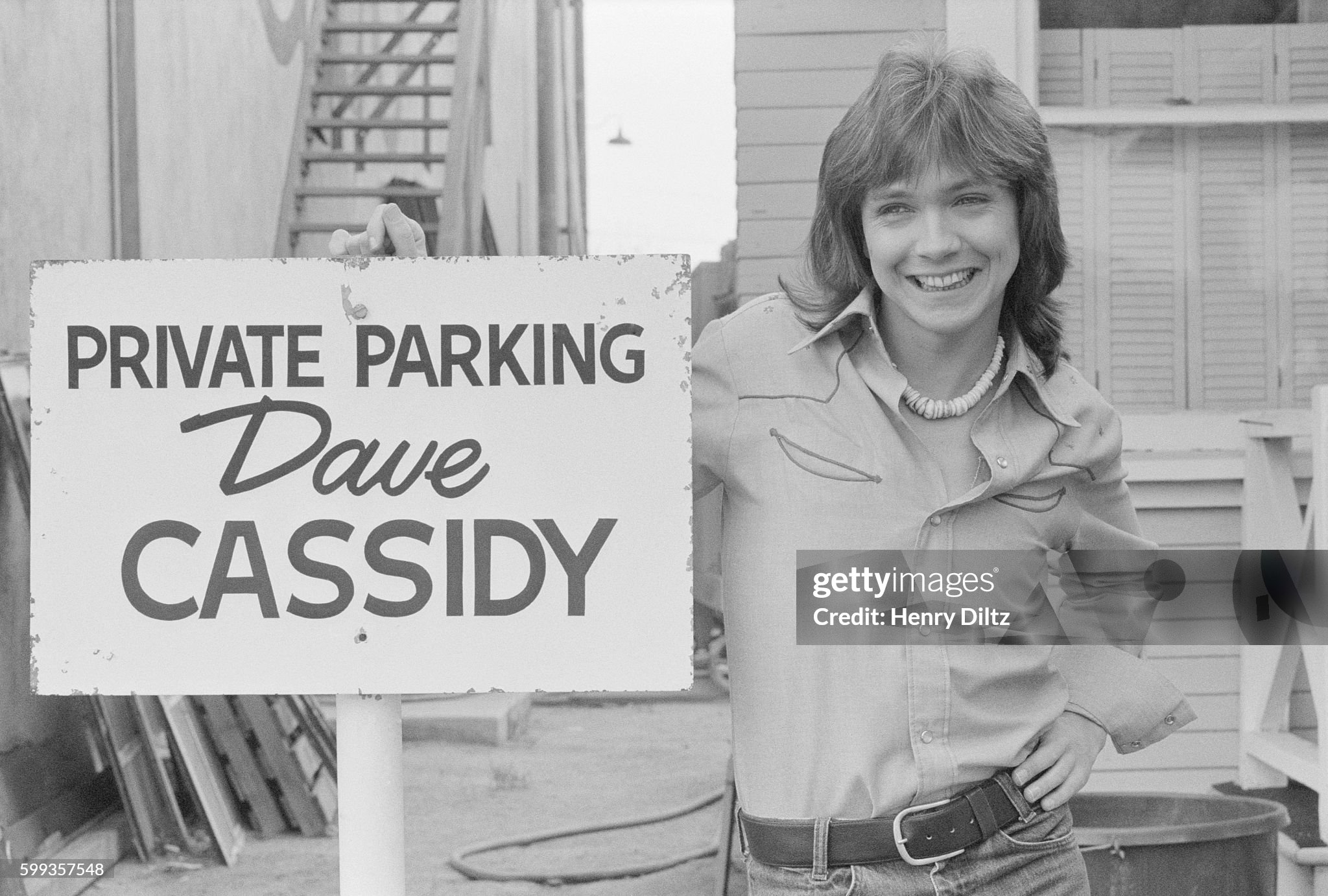
“For All the Lonely” feels like a late-night lamp left on for anyone still awake—an oath that tenderness can survive, even when applause fades and silence grows loud.
“For All the Lonely” sits near the very front of David Cassidy’s 1992 album Didn’t You Used to Be…—track 2, running 5:05 on the album. The record itself was released in September 1992 on Scotti Bros., produced by Eric “E.T.” Thorngren, and recorded February–June 1992. Just as important, every song on the album is written or co-written by Cassidy’s wife and main collaborator, Sue Shifrin—a detail that changes how you hear the intimacy of the lyric.
As a single, “For All the Lonely” did exist in a more radio-friendly form: Cassidy’s official fan discography pages document a 1992 release on Scotti Bros. (catalog SBDJ 75337-2) featuring a single edit alongside the album version. Discogs listings for the maxi/CD single show the single edit at about 4:08 and the album version around 5:10, suggesting subtle structural trims to sharpen its message without losing its softness.
If you’re looking for the “ranking on release,” here the story is unusually quiet: in the widely cited discography chart table, “For All the Lonely” is shown as not charting in the major territories listed (the row is dashes across the board). That absence can look like a disappointment on paper, but it also tells a truer story about what Cassidy was doing in the early ’90s. He wasn’t chasing the teenage tornado anymore. He was making grown-up pop—songs meant to be lived with, not just shouted along to for a season.
And “For All the Lonely” is built exactly for that kind of living-with. Even the title feels like a dedication printed at the front of a book: not “for my lover,” not “for my regret,” but for the lonely—plural, anonymous, everywhere. The lyric (and Cassidy’s delivery) reaches outward instead of inward. It doesn’t posture. It doesn’t plead. It offers companionship, which is rarer than romance in pop music: the sense that someone else recognizes the weight you’ve been carrying and isn’t asking you to explain it.
Part of the song’s power comes from where it’s placed in Cassidy’s timeline. Didn’t You Used to Be… is not the bright, bubble-wrapped Partridge era; it’s a later chapter where the voice is still recognizable, but the emotional weather has changed. The album’s very premise—songs largely shaped in partnership with Sue Shifrin—suggests a private world behind the public figure, a home-lit space where the writing is less about image and more about endurance. In that light, “For All the Lonely” feels less like a performance and more like a small vow: I know what it costs to feel alone, and I’m going to sing into that space rather than away from it.
Musically, the track carries a slow-blooming, adult-contemporary patience—more atmosphere than attack. The longer album version gives the sentiment time to settle, as if the song refuses to rush anyone toward healing. The shorter single edit, by contrast, suggests the same care, simply folded into a tighter frame—like a letter rewritten so it can be mailed, not just kept in a drawer.
What does it mean—in the way songs mean something years later, after the calendars have moved on?
It means loneliness isn’t a personal failure. It’s a human season. And the song treats that season with respect. There’s no scolding optimism here, no sugary command to “cheer up.” Instead, David Cassidy sounds like he’s standing close enough to be heard, but not so close that he crowds you. He sings with the tenderness of someone who understands that the loneliest moments are often the ones you can’t easily talk about—the nights when you look fine to everyone else, and still feel hollow inside your own quiet rooms.
In the end, “For All the Lonely” may not have arrived with a chart headline. But it arrived with something more lasting: a direct address, a hand extended through the speaker, a song that doesn’t demand a spotlight—only a listener. And sometimes, that’s exactly what the lonely need most.