
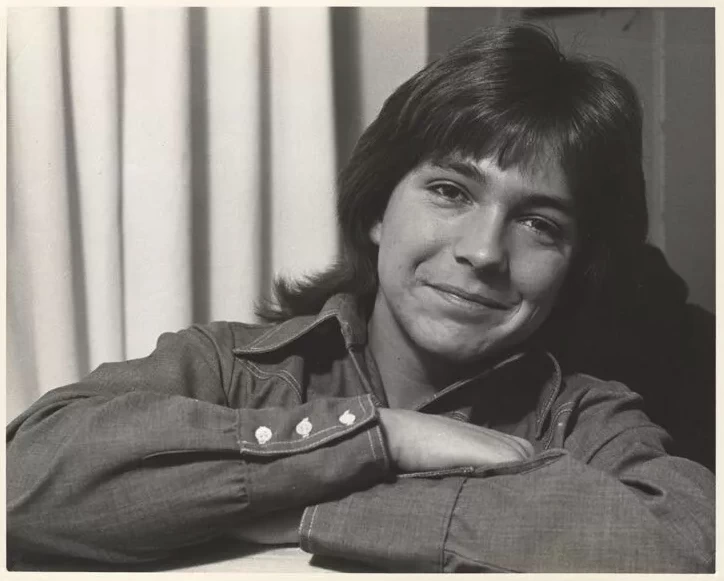
“Summertime” becomes a farewell lullaby here—David Cassidy singing as if he’s closing the curtains softly, leaving warmth in the room after he’s gone.
David Cassidy’s “Summertime” is not the kind of track that arrived with radio fanfare or a flashy debut on the pop charts. Its “arrival” is far more intimate—and, in its own way, far more profound. Cassidy recorded “Summertime” as part of the posthumously released EP Songs My Father Taught Me, issued on May 24, 2018, with the song running 4:13. The EP later registered a quiet but meaningful commercial footprint on U.S. Billboard genre charts, peaking at No. 13 on Jazz Albums and No. 7 on Traditional Jazz Albums—numbers that feel less like conquest and more like a final nod from listeners who wanted to hear his voice one more time.
This recording matters because of what it represents in Cassidy’s story. Songs My Father Taught Me is directly linked to the documentary David Cassidy: The Last Session, promoted around its A&E airing in June 2018—a project framed as a look at his life and music, culminating in these last recordings. The EP’s very title tells you where the emotional center is: a son returning to the musical language associated with his father, Jack Cassidy, not as a publicity hook, but as an act of personal closure. Contemporary coverage noted that the EP of standards—including “Night and Day” and “Summertime”—was recorded the year before release, and it quoted longtime collaborator Craig Snider reflecting on how Cassidy frequently spoke of his father and wanted to express himself in that musical “language.”
So when Cassidy sings “Summertime,” you don’t hear a performer trying on a classic like a costume. You hear a man choosing a song that already carries the weight of generations—and letting it carry him, too.
The song itself is one of the most recorded pieces in American music: “Summertime”, composed by George Gershwin in 1934 for the 1935 opera Porgy and Bess, with lyrics by DuBose Heyward. It began as a lullaby—tender on the surface, but shadowed by the knowledge that comfort is never permanent. That dual nature is exactly why it becomes so poignant in Cassidy’s late-career context. A lullaby is, after all, a kind of promise: rest now; you’re safe for the moment. But adults know what children cannot yet name—that safety is something we build and rebuild, and sometimes we sing it into existence because it’s the only way to endure the night.
Cassidy’s “Summertime” sits within an EP classified as Jazz on major platforms, and that framing is revealing. Jazz standards invite a singer to step outside the machinery of “hits” and into something more human: phrasing, breath, the quiet authority of understatement. In Cassidy’s version, the emotional meaning isn’t about showing vocal athleticism. It’s about tone—about letting the melody feel like a hand resting on the back of a chair, steadying itself. The title alone—“Summertime”—carries a wistful illusion of ease, yet the song has always been more complicated than sunshine. It’s a dream of peace sung against life’s rough edges.
That is why this performance resonates as a final chapter. Cassidy spent a lifetime with the world projecting an image onto him—youth, romance, noise, hysteria, speed. Here, he chooses slowness. He chooses an old song with an old soul. He chooses to sing something that doesn’t chase you; it waits for you. And in doing so, he changes the shape of remembrance: the listener is not asked to relive the frenzy of the past, but to sit quietly with a voice that feels nearer, calmer, almost conversational.
In the end, “Summertime” on Songs My Father Taught Me isn’t merely a cover. It’s a kind of homecoming—into family memory, into the American songbook, into the gentler idea that a life can be summed up not only by what it shouted, but by what it whispered at the very end.