
The Restless Pulse of a City and a Soul Searching for Redemption
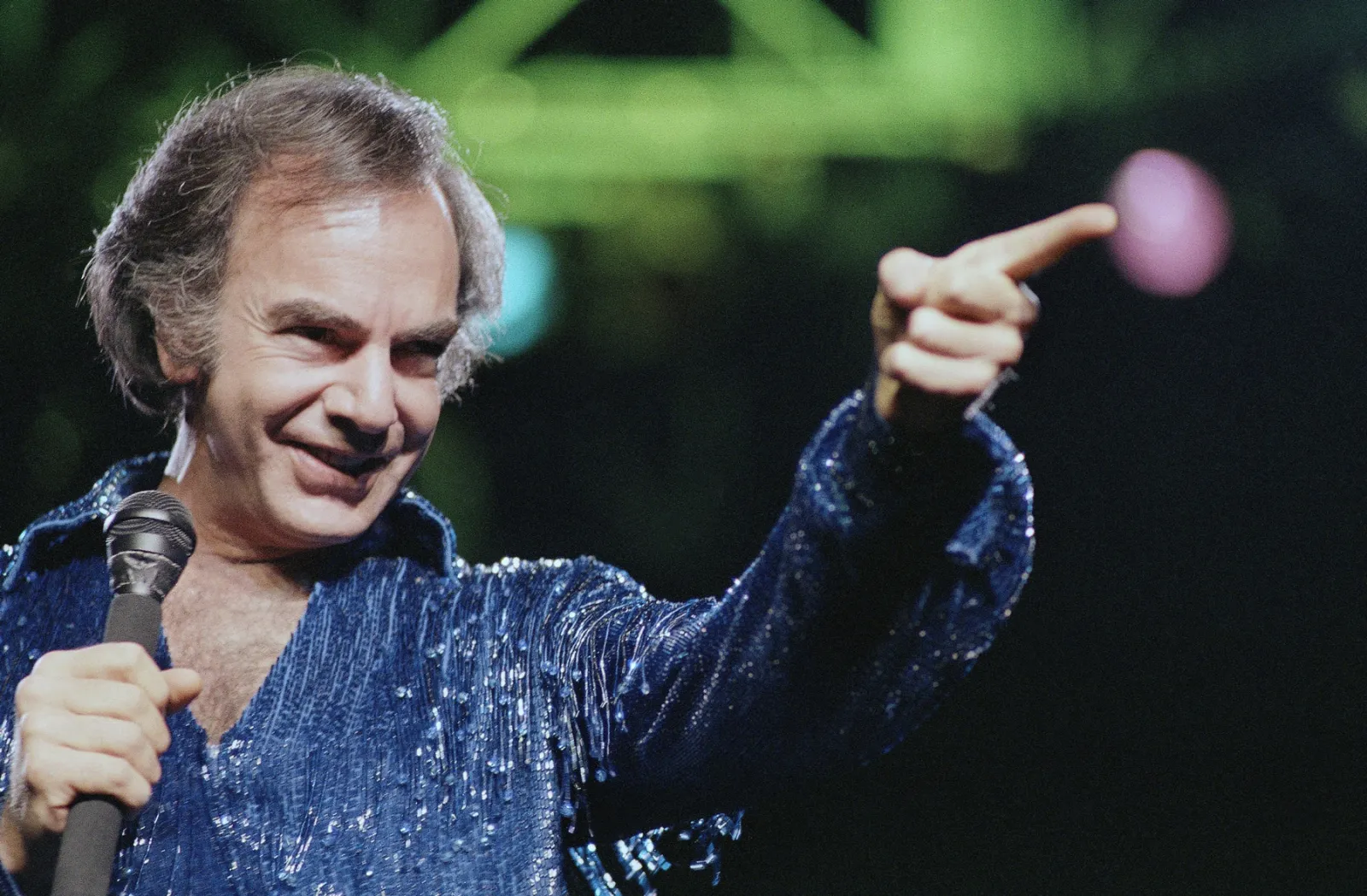
When Neil Diamond released “Memphis Streets” on his 1969 album Brother Love’s Travelling Salvation Show, it arrived as part of a turning point in his artistic evolution—a moment when the polished pop craftsman of “Cherry, Cherry” and “Sweet Caroline” began to turn his gaze toward the deeper shadows of the American landscape. Though not a major chart single in its own right, “Memphis Streets” sits among that album’s most vivid and emotionally charged pieces, embodying the grit, longing, and moral reckoning that Diamond would explore increasingly through the late 1960s and early ’70s. It is a song that feels lived-in—its rhythms heavy with the weight of southern humidity, its voice trembling with empathy for those who inhabit its weary corners.
The song channels the spirit of Memphis not merely as a city but as a metaphor for a country at odds with itself. Diamond’s lyrics—painted in tones of dust, smoke, and neon light—capture the essence of an America where hope and hardship coexist on the same cracked pavement. In this track, Memphis becomes the stage for humanity’s eternal struggle between sin and salvation. The arrangement reflects this tension: gospel undertones pulse beneath rock-inflected percussion; brass accents flare like sudden bursts of streetlight through fog. Diamond’s vocal performance—raw yet tender—embodies both preacher and penitent, observer and participant.
The late 1960s were an era defined by unrest, both social and spiritual. Within that context, “Memphis Streets” reads as Diamond’s meditation on what it means to be lost amid noise and confusion—a theme that threads through much of Brother Love’s Travelling Salvation Show. The record itself carries the atmosphere of a revival tent pitched on American soil at dusk: a blend of showmanship, religion, yearning, and redemption. “Memphis Streets,” nestled within it, strips away any façade of spectacle to reveal something far more intimate—a lament for those who wander unseen, whose stories are told in whispers and sighs beneath flickering streetlights.
Musically, the track is pure Americana filtered through Diamond’s signature sense of drama. The horns call out like distant church bells while the rhythm section trudges forward with solemn determination. Each note feels anchored to earth; each phrase seems to reach upward toward grace. There is no simple resolution here—no triumphant crescendo or easy moral clarity—but rather an acceptance of life’s uneasy dualities.
In the canon of Neil Diamond’s work, “Memphis Streets” endures as one of his most evocative portraits: a song that captures both the physical geography of a storied city and the emotional terrain of human endurance. It reminds us that every street—like every soul—bears its own blend of sorrow and beauty, each echoing in time with the restless heartbeat of America itself.