
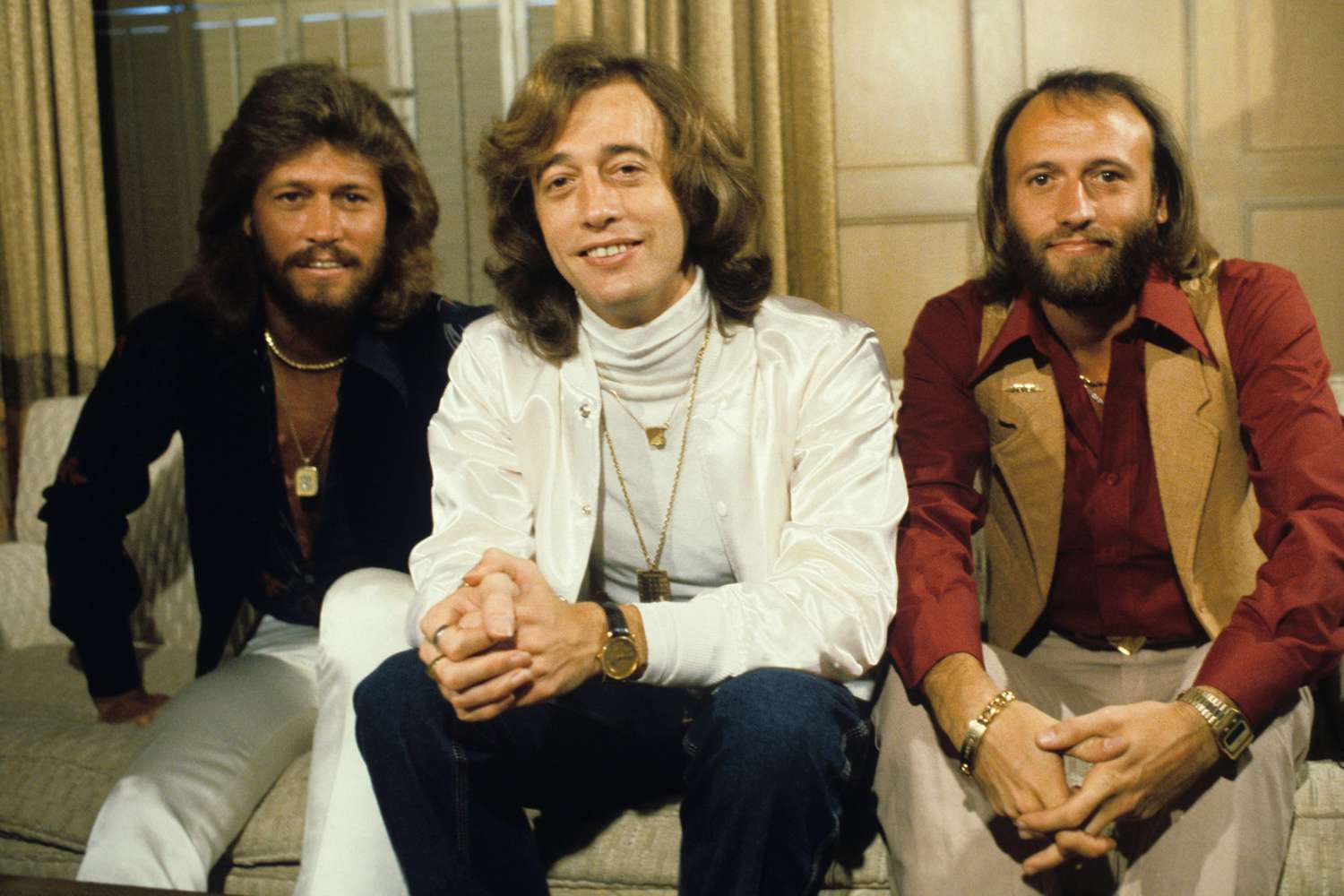
A Gentle Current of Youthful Longing and the First Whisper of Artistic Identity
Released in 1965 as part of the Bee Gees’ debut Australian album The Bee Gees Sing and Play 14 Barry Gibb Songs, “Follow The Wind” captures a moment before fame—before the shimmering harmonies that would later define the group’s global sound. It never touched the charts beyond their native Australia, where at the time they were still a local act refining their voice amid surf pop and Merseybeat influences. Yet even in this early recording, one hears the embryonic depth that would come to define the Gibbs’ songwriting: tender melancholy dressed in folk simplicity, yearning for something both spiritual and unreachable.
At its heart, “Follow The Wind” is a song of release—a meditation on distance, freedom, and emotional surrender. Written by Barry Gibb when he was still in his late teens, it speaks with a wisdom beyond its years. The song’s melodic structure borrows from mid-1960s British folk-pop traditions—think of the introspective hues of early Beatles or The Seekers—but its lyrical sensitivity sets it apart. The young Gibb seems already aware of life’s transient beauty, of love’s impermanence, and of the human impulse to chase what cannot be contained.
Musically, its arrangement is spare yet resonant: acoustic guitar strumming establishes a gentle rhythmic bed over which the brothers’ harmonies float with quiet grace. There’s no grand orchestration here, no layered studio magic—just the purity of voice and chord. That minimalism gives the track a haunting clarity; it feels like an early morning confession sung to no one and everyone at once. One can hear in it a foreshadowing of the Bee Gees’ future mastery of emotional nuance—their ability to translate solitude into melody.
Lyrically, the song paints a portrait of someone who chooses motion over stasis, wind over root. To “follow the wind” becomes a metaphor for accepting life’s uncertainty, for moving where emotion or fate demands rather than clinging to what is safe. It is both romantic and fatalistic—a youthful philosophy wrapped in gentle resignation. What distinguishes this sentiment is not rebellion but serenity; the narrator does not rage against loss but drifts peacefully within it.
Though “Follow The Wind” never reached international acclaim, it stands as an intimate window into the Bee Gees’ earliest artistic consciousness. Before disco lights and chart-topping ballads, there was this—an acoustic reflection that reveals how deeply Barry Gibb already understood melody as a vessel for emotion. Listening today, one senses not just nostalgia but continuity: every soaring refrain that followed began here, in this quiet song about letting go and trusting where the unseen current leads.